
تطورات جديدة في مسار العلاقات الأمريكية الإيرانية
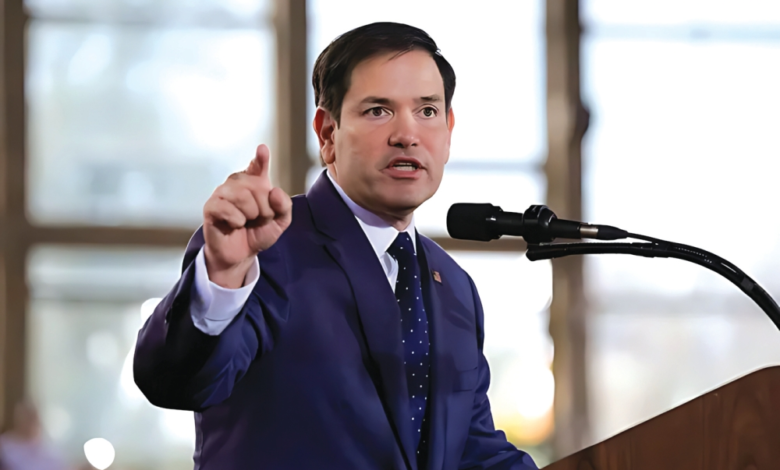
في تصريحات أثارت اهتمام الأوساط السياسية والدولية، كشف وزير الخارجية الأمريكي ماركو روبيو عن وجود تواصل غير رسمي يحمل طابعاً إيجابياً مع أطراف داخل الحكومة الإيرانية. وأعرب روبيو، خلال مقابلة تلفزيونية عبر برنامج “غود مورنينغ أميركا” على شبكة “إيه بي سي نيوز” الإخبارية، عن تفاؤله الحذر بإمكانية التعاون مع شخصيات إيرانية وصفها بأنها “قادرة على تحقيق الإنجازات”. وأشار إلى أن واشنطن تلقت رسائل غير رسمية تعكس رغبة في تغيير النهج المعتاد، مؤكداً أن هناك مسؤولين يتحدثون بأسلوب مختلف تماماً عما كان سائداً في الفترات السابقة، ويبدون استعداداً لاتخاذ خطوات ملموسة.
الانقسامات الداخلية في إيران
وسلط روبيو الضوء على ما وصفه بـ “الانقسامات الداخلية” العميقة داخل أروقة السلطة في طهران. تاريخياً، يعكس هذا الانقسام صراعاً مستمراً بين التيار المتشدد الذي يسيطر على مفاصل الدولة الأمنية والعسكرية، وبين التيار البراغماتي أو الإصلاحي الذي يسعى لفك العزلة الدولية عن إيران وتخفيف وطأة العقوبات الاقتصادية الخانقة التي أثرت بشدة على معيشة المواطنين. وتأمل الإدارة الأمريكية أن تتمكن هذه الشخصيات البراغماتية من الإمساك بزمام المبادرة وتوجيه السياسة الإيرانية نحو مسار أكثر اعتدالاً يجنب المنطقة المزيد من التصعيد.
السياق التاريخي واستراتيجية الضغوط
وتأتي هذه التصريحات في سياق تاريخي معقد يكتنف العلاقات بين واشنطن وطهران، والتي اتسمت بالعداء والتوتر منذ عقود. وقد شهدت هذه العلاقات منعطفات حادة، أبرزها الانسحاب الأمريكي من الاتفاق النووي في عام 2018 خلال فترة ولاية الرئيس دونالد ترامب الأولى، وما تلاها من تطبيق استراتيجية “الضغوط القصوى”. هذه الاستراتيجية هدفت إلى تجفيف منابع تمويل الحكومة الإيرانية وإجبارها على العودة إلى طاولة المفاوضات بشروط أكثر صرامة تشمل برنامجها الصاروخي ونفوذها الإقليمي.
الهدف الاستراتيجي: منع السلاح النووي
ورغم هذه المؤشرات الدبلوماسية غير الرسمية، شدد روبيو على أن الهدف الاستراتيجي الأسمى للولايات المتحدة يظل ثابتاً، وهو إنهاء قدرات إيران على تطوير أو امتلاك سلاح نووي. وأشار إلى أن الرئيس دونالد ترامب كان قد صرح سابقاً بأنه حقق خطوات حاسمة في هذا الاتجاه خلال العمليات والهجمات التي نُفذت في العام الماضي. وتعتبر مسألة البرنامج النووي الإيراني خطاً أحمر بالنسبة لواشنطن وحلفائها، حيث تواصل الوكالة الدولية للطاقة الذرية الإعراب عن قلقها إزاء مستويات تخصيب اليورانيوم التي تقترب من النسب المطلوبة لصنع أسلحة.
التداعيات الإقليمية والدولية المتوقعة
إن أي تحول في الموقف الإيراني، سواء نحو التصعيد أو التهدئة، يحمل تداعيات هائلة على المستويين الإقليمي والدولي. فعلى الصعيد الإقليمي، تلعب إيران دوراً محورياً من خلال نفوذها في الشرق الأوسط، وأي تفاهمات غير رسمية قد تنعكس إيجاباً على خفض التوترات في بؤر الصراع المشتعلة. أما دولياً، فإن استقرار المنطقة يرتبط ارتباطاً وثيقاً بأمن إمدادات الطاقة العالمية وحركة الملاحة في الممرات المائية الاستراتيجية. بالتالي، فإن نجاح هذه “الرسائل الإيجابية” في التحول إلى مسار دبلوماسي حقيقي قد يجنب العالم أزمة اقتصادية وأمنية كبرى.