Marib: A new displacement crisis and a severe aid shortage threaten catastrophe

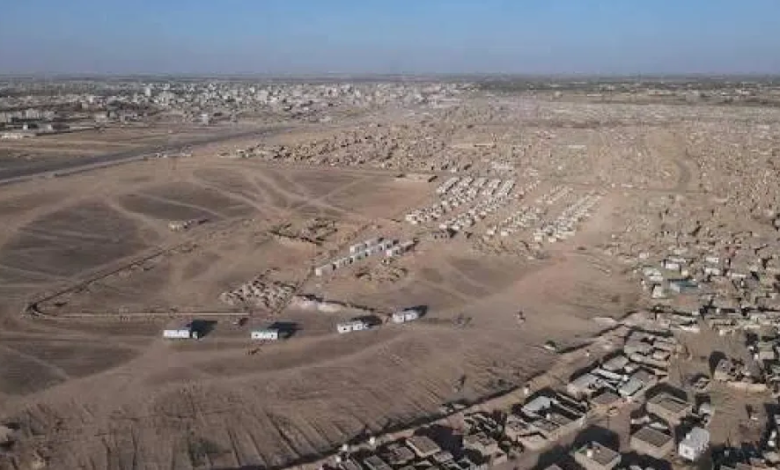
The Yemeni governorate of Marib is facing a worsening humanitarian situation that threatens a genuine catastrophe. Local authorities and the executive units managing IDP camps have renewed their complaints about the severe shortage of humanitarian aid, coinciding with the continued influx of new waves of displacement from eastern regions and areas of intense conflict. This increasing pressure is exacerbating the suffering of millions of displaced people who have found refuge in Marib.
Challenges of ongoing displacement and pressure on services
Field reports indicate that the governorate, which hosts the largest proportion of internally displaced persons (IDPs) in Yemen, is experiencing immense pressure on its infrastructure and basic services. With the arrival of new waves of displaced families from the east, the gap between essential needs and available resources is widening. Already overcrowded camps suffer from a shortage of potable water, a lack of medical supplies, and overcrowded schools, making the accommodation of additional numbers a near-impossible challenge without urgent international intervention.
Background to the crisis: Marib as a stronghold for displaced people
Since the outbreak of war in Yemen, Marib has transformed from a relatively peaceful oil-rich province into a major population and humanitarian hub, receiving hundreds of thousands of families fleeing Houthi-controlled areas and conflict zones. This rapid demographic shift has placed local authorities with responsibilities exceeding their financial and administrative capacities. Despite local efforts to manage the situation, the protracted conflict has completely depleted local resources.
Decline in international support and its direct impact
These complaints come at a highly sensitive time, as several international and UN organizations, including the World Food Programme, have announced reductions in food and cash assistance to Yemen due to funding shortfalls from donor countries. This decline in international support has left authorities in Marib and displaced people facing difficult choices, with many now lacking food security and adequate shelter, especially given the fluctuating weather and the approaching seasons that require special preparations.
Repercussions and urgent appeals
Observers warn that continuing to ignore the pleas for help from Marib could lead to the collapse of the humanitarian and health systems in the governorate, potentially causing widespread disease and famine among the displaced population. They urge the international community and relief organizations to reconsider their humanitarian response plans and provide emergency support commensurate with Marib's population density and the continuous influx of new displaced people from the eastern fronts and elsewhere, in order to ensure a minimum standard of living for those affected.