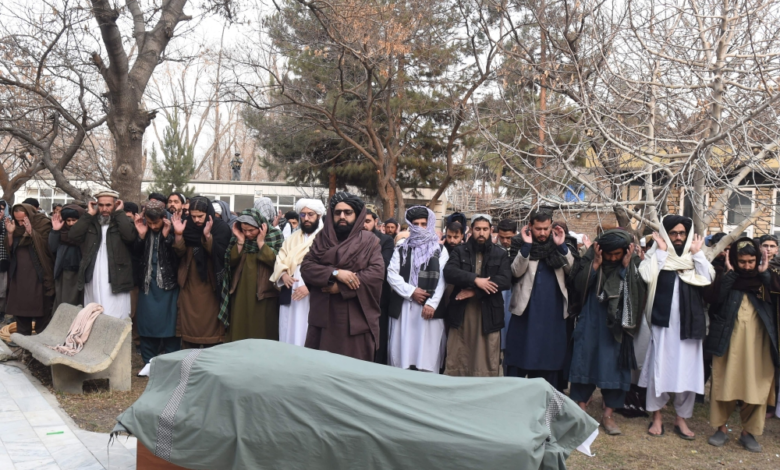
Saudi Arabia condemns the terrorist bombing in Kabul and offers condolences to the victims

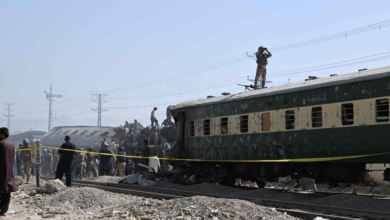
The Ministry of Foreign Affairs of the Kingdom of Saudi Arabia expressed the Kingdom’s strong condemnation and denunciation of the treacherous terrorist bombing that targeted the Afghan capital, Kabul, which resulted in a number of victims and injuries among Afghan citizens as well as Chinese nationals, in a painful incident that reflects the ugliness of extremist thought.
In its official statement, the Ministry reiterated the Kingdom's firm and unwavering stance against all forms of violence, terrorism, and extremism, regardless of their motives or justifications. The Kingdom affirmed its complete support and solidarity with the brotherly Afghan people in this tragic event, expressing its deepest condolences and sincere sympathy to the families of the victims and to the governments and peoples of Afghanistan and China, and wishing the injured a speedy recovery.
Context of events and security challenges in Afghanistan
This bombing comes at a sensitive time for Afghanistan, as the country continues to face significant security challenges that hinder stabilization and reconstruction efforts. The capital, Kabul, is a frequent scene of such attacks targeting both civilians and foreign interests, casting a dark shadow over the country's security and political landscape.
Targeting foreign nationals, specifically those of Chinese nationality, carries serious implications, indicating attempts by terrorist groups to expand their targeting to undermine Afghanistan’s international relations and obstruct any investment or development efforts that might contribute to improving the deteriorating economic situation suffered by the Afghan people.
Saudi Arabia's firm stance and support for regional stability
The Kingdom of Saudi Arabia has always been at the forefront of calling for concerted international efforts to combat terrorism and eliminate its root causes. This stance stems from the Kingdom's leading role in the Islamic world and its unwavering commitment to the security and stability of its sister nations. Riyadh views the continued terrorist activities in Afghanistan with grave concern, emphasizing that security is the cornerstone of any development or prosperity.
The Kingdom always emphasizes in international forums the importance of supporting the Afghan people and helping them overcome their ordeal, stressing that peaceful solutions and the rejection of violence are the only way to build a stable and secure state that respects international charters and provides a decent life for its citizens.