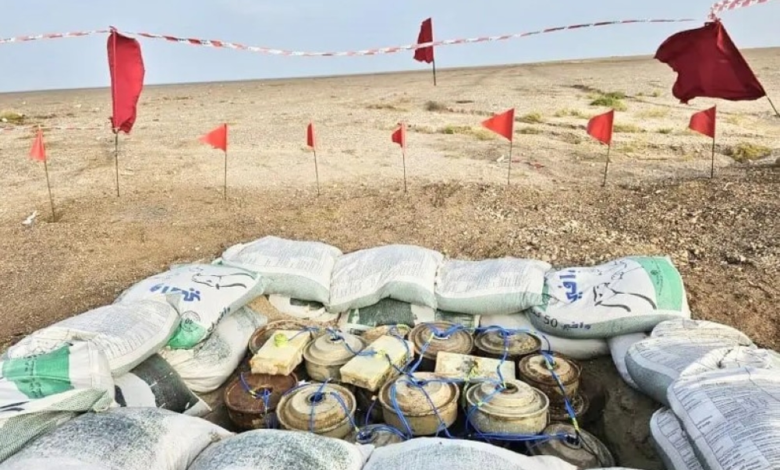

واصل مشروع "مسام" لتطهير الأراضي اليمنية من الألغام، التابع لمركز الملك سلمان للإغاثة والأعمال الإنسانية، تحقيق إنجازاته الميدانية في تأمين حياة المدنيين، حيث تمكنت الفرق الهندسية خلال الأسبوع الثاني من شهر فبراير 2026م، من انتزاع 840 لغماً وذخيرة غير منفجرة وعبوة ناسفة، زرعت في مناطق متفرقة من اليمن، مما يعكس استمرار الجهود السعودية في نزع فتيل الموت المتربص بالأبرياء.
تفاصيل العمليات الميدانية ونوعية الألغام
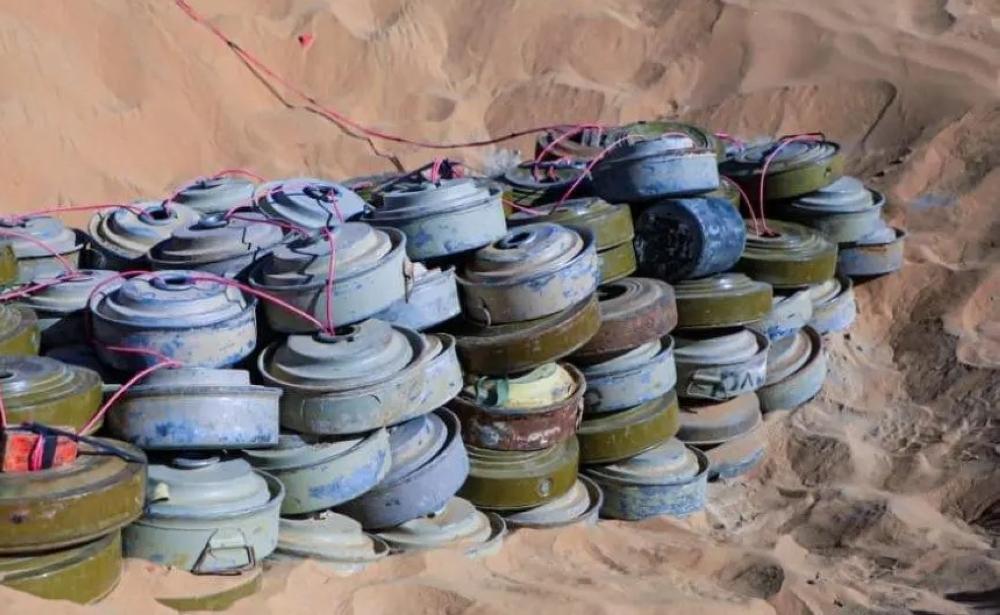
كشفت غرفة عمليات المشروع أن المضبوطات التي تم نزعها خلال هذا الأسبوع تنوعت لتشمل مختلف أشكال التهديدات، حيث تم نزع 16 لغماً مضاداً للأفراد، و149 لغماً مضاداً للدبابات، بالإضافة إلى 660 ذخيرة غير منفجرة، و15 عبوة ناسفة. وتأتي هذه الأرقام لتؤكد حجم التحديات التي تواجهها الفرق الهندسية في الميدان، وخطورة هذه المخلفات العسكرية على المزارعين والمسافرين وسكان القرى النائية.
التوزيع الجغرافي لعمليات التطهير
شملت عمليات النزع عدة محافظات يمنية، مما يبرز شمولية المشروع وانتشاره في المناطق المحررة:
- محافظة عدن: تم تطهير مديرية خور مكسر من ذخيرة غير منفجرة، ونزع 256 ذخيرة أخرى في مديرية عدن.
- محافظة حجة: شهدت مديرية ميدي نزع 50 لغماً مضاداً للدبابات و330 ذخيرة غير منفجرة و9 عبوات ناسفة مبتكرة.
- محافظة لحج: تم التعامل مع ذخائر غير منفجرة في مديرية المضاربة.
- محافظة الحديدة: واصل الفريق عمله في مديرية حيس الحيوية.
- محافظة مأرب: تم نزع ألغام مضادة للدبابات وذخائر في مديريتي رغوان والوادي.
- محافظة شبوة: تم تأمين مناطق في مديريات عين، عسيلان (عرمة)، وبيحان، حيث تم نزع كميات كبيرة من الألغام المضادة للدبابات والعبوات الناسفة.
- محافظة تعز: شملت العمليات مديريات المخا، ذباب، وصالة، حيث تم رفع عشرات الألغام والذخائر التي كانت تهدد الطرق الرئيسية.
أهمية المشروع والسياق الإنساني
يأتي هذا الجهد المكثف في إطار الدور الريادي الذي تضطلع به المملكة العربية السعودية عبر ذراعها الإنساني "مركز الملك سلمان للإغاثة"، حيث يهدف مشروع "مسام" بشكل أساسي إلى تمكين المواطنين اليمنيين من العودة إلى منازلهم ومزارعهم بسلام. وتكتسب هذه العمليات أهمية قصوى نظراً لأن الألغام المزروعة عشوائياً تشكل عائقاً رئيسياً أمام وصول المساعدات الإنسانية وعودة الحياة الطبيعية، فضلاً عن تسببها في إعاقات دائمة وخسائر في الأرواح بين النساء والأطفال وكبار السن.
إحصائيات إجمالية تعكس حجم الإنجاز
بإضافة حصيلة هذا الأسبوع، يرتفع عدد الألغام التي تم نزعها خلال شهر فبراير فقط إلى 4,006 ألغام. أما على صعيد الإنجاز الكلي منذ انطلاق المشروع، فقد وصل إجمالي ما تم تطهيره من الأراضي اليمنية إلى 541,511 لغماً وذخيرة. هذا الرقم الضخم يعكس حجم الكارثة التي تم تجنيب اليمن إياها، ويؤكد التزام المملكة المستمر بدعم الأمن والاستقرار الإنساني في اليمن الشقيق حتى يتم تطهير كافة الأراضي من هذا الخطر الداهم.