Damascus and Autonomous Administration negotiations: Mazloum Abdi discusses the region's future

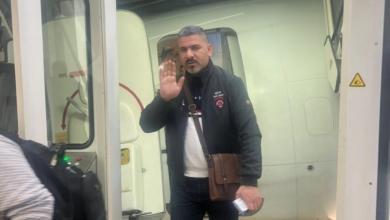
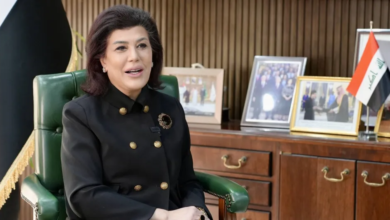
Informed sources revealed that a high-level delegation from the Autonomous Administration of North and East Syria, including the Commander-in-Chief of the Syrian Democratic Forces (SDF), Mazloum Abdi, and the Co-Chair of the Autonomous Administration's Department of Foreign Relations, Ilham Ahmed, arrived in the Syrian capital, Damascus. This visit comes as part of a new round of complex negotiations between the two sides, aimed at finding a mutually acceptable formula for the future of the northeastern region of the country.
Context of the visit and historical background of the negotiations
The relationship between the Syrian government and the Kurdish self-administration has been characterized by a state of "neither war nor peace" since the outbreak of the Syrian crisis in 2011. The two sides have largely avoided direct military confrontation, maintaining open channels of communication, often mediated by Russia. Several rounds of dialogue have taken place in Damascus, Qamishli, and the Russian Hmeimim airbase, but these have failed to produce a comprehensive final agreement due to fundamental differences in perspectives.
Historically, the main points of contention revolve around the form of government. While Damascus insists on restoring full central control over all Syrian territory and dissolving the auxiliary military formations, the Autonomous Administration demands constitutional recognition of its decentralized administration and the preservation of the “Syrian Democratic Forces’” distinctiveness as part of the Syrian defense system but with a distinct leadership structure, which has been a major obstacle in previous talks.
Geopolitical motives and regional pressures
This new round of talks is of exceptional importance given the sensitive timing in the region. On the one hand, Turkish threats to launch new ground operations against SDF-controlled areas in northern Syria are escalating, pushing the Kurdish leadership to seek political and military protection through an understanding with Damascus. On the other hand, uncertainty surrounds the future of the American military presence in the region, making complete reliance on the American ally a risky option for the Autonomous Administration.
The economic and political importance of a potential rapprochement
Economically, the situation in northeastern Syria is vital for the Syrian government, as the region contains most of the country's oil and gas reserves and is considered Syria's breadbasket due to its abundant wheat production. Any agreement that reconnects the region's economy to the central government would significantly contribute to alleviating the country's crippling economic crisis.
Politically, the success of these negotiations could mark a turning point in the Syrian war, strengthening Syrian sovereignty over its borders, preventing foreign intervention, and redrawing the country's political map in a way that guarantees the rights of all its diverse communities within a unified state. However, the success of this round remains contingent on the flexibility of both sides and their willingness to make painful concessions for the greater national interest.