
Introduction: A Saudi-Egyptian summit to enhance joint cooperation
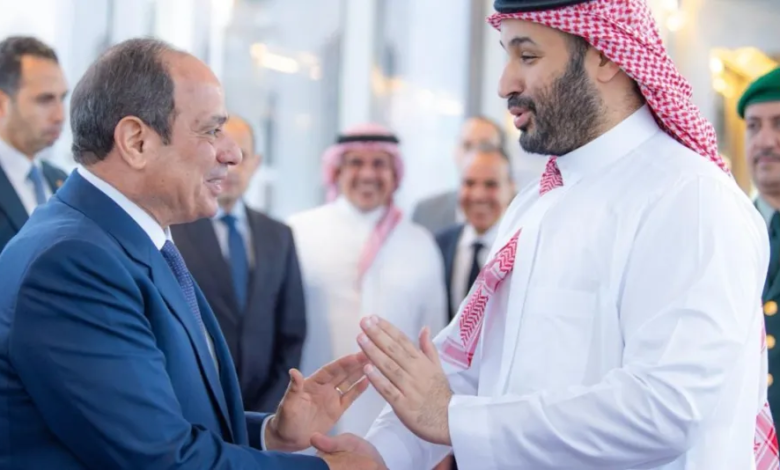
Within the framework of the close fraternal and historical relations that bind the Kingdom of Saudi Arabia and the Arab Republic of Egypt, the Saudi Crown Prince and Prime Minister, His Royal Highness Prince Mohammed bin Salman bin Abdulaziz, received Egyptian President Abdel Fattah al-Sisi. This important and significant meeting comes at a critical and sensitive time, as the Middle East region witnesses rapidly escalating geopolitical challenges and complex crises, necessitating intensified consultation and continuous coordination between Riyadh and Cairo, given their fundamental role and crucial role in ensuring security and stability in the Arab world and the entire region.
General context and historical background of Saudi-Egyptian relations
The bilateral relations between the Kingdom of Saudi Arabia and the Arab Republic of Egypt are characterized by their deep historical roots and firmly established strategic nature, extending over decades of fruitful cooperation in various political, economic, security, and cultural fields. The understandings and alliances between the two brotherly countries have always formed a strong bulwark and a deterrent force against the challenges and dangers facing the Arab nation. These exceptional relations are based on solid foundations of mutual respect, shared interests, and a common destiny. The past few years have witnessed remarkable development and a qualitative leap through reciprocal official visits and comprehensive bilateral agreements that clearly reflect the vision of the leadership of both countries towards achieving economic integration and sustainable development for their peoples.
Key regional and international issues on the table for discussion
Regional and international developments topped the agenda of talks between Crown Prince Mohammed bin Salman and President Abdel Fattah al-Sisi, during which they reviewed and discussed a range of pressing issues affecting the region. Foremost among these pivotal issues was the Palestinian question and the intensive diplomatic efforts underway to halt the military escalation in the Gaza Strip. Emphasis was placed on the absolute necessity of protecting innocent civilians, ensuring the urgent and sustained delivery of humanitarian aid, and reaffirming the unwavering commitment to the two-state solution and the establishment of an independent Palestinian state as the only path to achieving a just and comprehensive peace. The in-depth discussions also addressed the ongoing crisis in Sudan, stressing the importance of preserving the resources and institutions of the Sudanese state. Furthermore, they discussed maritime security in the Red Sea and its direct impact on global trade and supply chains.
The strategic importance and expected impact of the meeting
This strategic meeting holds immense importance and has multifaceted dimensions on several levels. Domestically and bilaterally , it contributes to advancing economic cooperation, increasing trade volume, and bolstering joint investments, aligning with the goals of Saudi Arabia's Vision 2030 and Egypt's Vision 2030. Regionally , the meeting sends a strong and direct message of reassurance: Saudi-Egyptian coordination remains ongoing and effective in ensuring regional stability and countering all foreign interference in the internal affairs of Arab states. Internationally , this complete alignment underscores the political and diplomatic weight of both countries on the global stage and their exceptional ability to formulate unified positions that support international peace and security and fulfill the aspirations of Arab peoples for a more prosperous and secure future.
Conclusion: Towards a more stable and developed Arab future
In conclusion, Crown Prince Mohammed bin Salman's reception of President Sisi marks a new and significant milestone in the distinguished bilateral relations between Riyadh and Cairo. The continuation of this constructive consultative approach reflects a profound and responsible understanding of the historical responsibility entrusted to both countries in leading and guiding joint Arab action, and steering the region towards broader horizons of development, prosperity, and stability, far removed from the hotbeds of conflict and manufactured crises.