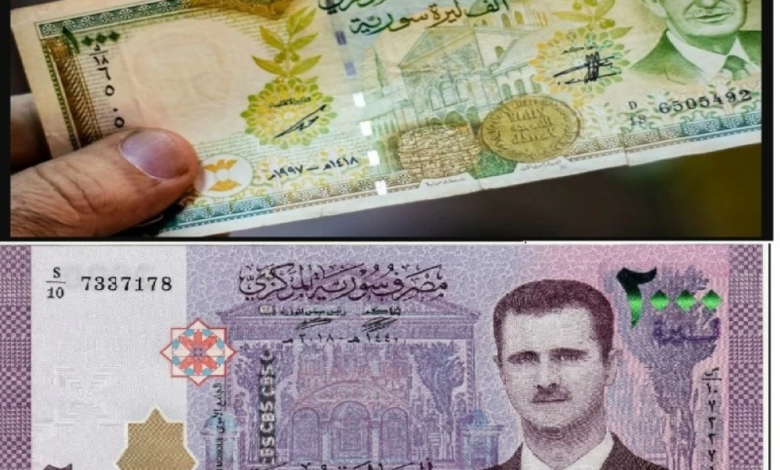

كشفت الجهات الرسمية في سورية عن الآلية الدقيقة المتبعة للتعامل مع الليرة السورية القديمة بعد سحبها من التداول واستبدالها، مؤكدة أن عمليات الاستلام والفرز والإتلاف تخضع لإشراف مباشر وصارم من الجهاز المركزي للرقابة المالية. وتأتي هذه الخطوة ضمن سلسلة من الإجراءات التي تهدف إلى ضمان سلامة العمليات المالية وحماية المال العام من أي تلاعب محتمل.
مراحل الاستلام والإتلاف تحت المجهر
أوضح الجهاز المركزي للرقابة المالية أن رحلة العملة القديمة تبدأ من لحظة استلامها عبر فروع المصارف المنتشرة في مختلف المحافظات السورية. وتخضع هذه الأموال لعمليات عد وفرز دقيقة قبل نقلها عبر قنوات مؤمنة إلى المراكز المخصصة للإتلاف. وأكد الجهاز أن هذه المراحل تتم ضمن إجراءات رقابية مشددة تهدف بالدرجة الأولى إلى تعزيز الثقة بالسياسات النقدية المتبعة في البلاد.
وفي تصريح نقلته وكالة الأنباء السورية (سانا)، قال الوكيل المشرف على رقابة القطاع الاقتصادي في الجهاز المركزي للرقابة المالية، محمد غفير: «إن الجهاز يمارس دوره القانوني بصرامة في متابعة عمليات استلام وإتلاف العملة القديمة، والتأكد من التزام كافة الجهات المعنية بالإجراءات القانونية المعتمدة، بما يحقق أعلى درجات الشفافية ويمنع أي هدر أو إساءة للمال العام».
التنسيق مع المصرف المركزي وأهمية التحديث النقدي
أضاف غفير أن عمليات الاستلام والإتلاف لا تتم بشكل منفرد، بل بالتنسيق الكامل والمستمر مع مصرف سورية المركزي والجهات الأمنية والمختصة في جميع المراحل. هذا التنسيق يهدف إلى حماية الاستقرار النقدي وتعزيز الثقة بالإجراءات المالية المتخذة من قبل الدولة.
وتندرج عمليات استبدال وإتلاف العملة القديمة (المهترئة أو التالفة) ضمن السياسات النقدية الروتينية التي تتبعها البنوك المركزية حول العالم، والهادفة إلى تحديث الكتلة النقدية المتداولة. ويساهم سحب الأوراق النقدية التالفة وضخ أوراق جديدة بدلاً منها في رفع كفاءة التداول النقدي، وتسهيل عمليات العد الآلي في المصارف، وضمان سلامة النظام المالي.
السياق الاقتصادي وأهمية الإجراء
تكتسب هذه العملية أهمية خاصة في ظل الظروف الاقتصادية التي تمر بها سورية، حيث يعد الحفاظ على جودة الأوراق النقدية المتداولة جزءاً من هيبة العملة الوطنية وسهولة التعامل بها في الأسواق. كما أن الرقابة الصارمة على عملية الإتلاف تقطع الطريق أمام أي محاولات لإعادة تدوير العملة التالفة بشكل غير قانوني، مما يساهم في ضبط الكتلة النقدية ومنع أي تأثيرات تضخمية ناتجة عن تداول عملات غير صالحة أو خارجة عن القيود الرسمية.
ويعتبر استبدال العملة التالفة إجراءً فنياً ضرورياً للحفاظ على النظافة العامة للأموال المتداولة وتقليل مخاطر التزييف، حيث أن العملات الجديدة غالباً ما تتمتع بمواصفات أمان أعلى ووضوح أفضل، مما يسهل على المواطنين والتجار كشف العملات المزورة.