
استعدادات استثنائية لضمان سلامة ضيوف الرحمن
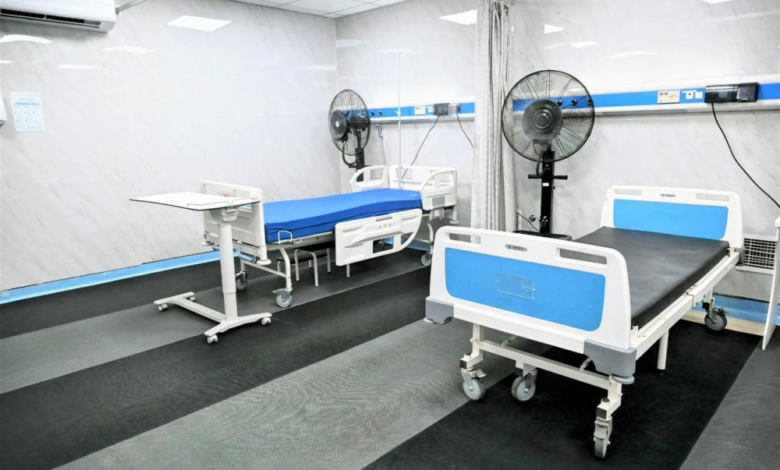
في إطار الجهود الحثيثة والمستمرة التي تبذلها المملكة العربية السعودية لخدمة ضيوف الرحمن، أعلن تجمع المدينة المنورة الصحي عن اكتمال جاهزيته التامة للتعامل مع حالات الإجهاد الحراري وضربات الشمس خلال موسم الحج. وتأتي هذه الخطوة الاستباقية من خلال تخصيص 43 سريراً طبياً مجهزاً بأحدث التقنيات، موزعة بعناية استراتيجية على عدد من المستشفيات والمراكز الصحية والمواقع الموسمية في المنطقة، بهدف رفع سرعة الاستجابة الطبية وضمان تقديم الرعاية الصحية الفورية للحجاج.
السياق التاريخي والخبرة السعودية في طب الحشود
تاريخياً، ارتبط موسم الحج بتحديات مناخية ولوجستية كبيرة، خاصة عندما يتزامن مع أشهر الصيف التي تشهد ارتفاعاً ملحوظاً في درجات الحرارة. وقد راكمت وزارة الصحة السعودية والقطاعات المعنية على مدار العقود الماضية خبرات واسعة النطاق فيما يُعرف بـ “طب الحشود”، لتصبح المملكة المرجعية العالمية الأولى في هذا المجال. إن التعامل مع ملايين الحجاج في مساحة جغرافية محددة ووقت زمني ضيق يتطلب تخطيطاً دقيقاً، وهو ما يفسر الاهتمام البالغ بتجهيز غرف وأسرة مخصصة للتعامل الفوري مع الإجهاد الحراري، الذي يُعد من أكثر الحالات الطبية شيوعاً خلال هذه الفترة من العام.
التوزيع الجغرافي للأسرة المخصصة للإجهاد الحراري
أوضح تجمع المدينة المنورة الصحي أن خطة التوزيع الجغرافي للأسرة جاءت مدروسة لتغطية كافة أماكن تواجد الحجاج بكثافة، حيث شملت التجهيزات ما يلي:
- مركز الصافية للرعاية العاجلة: تم تخصيص 16 سريراً، ليصبح أعلى منشأة صحية من حيث السعة الاستيعابية لهذا الغرض.
- مستشفى الحرم: تجهيز 6 أسرة لخدمة زوار المسجد النبوي الشريف ومحيطه.
- مستشفيات ومراكز حيوية: تخصيص سريرين في كل من مستشفى السلام الوقفي، ومستشفى أحد، ومركز المراقبة الصحية بمطار الأمير محمد بن عبدالعزيز الدولي، ومركز نجود للطوارئ.
- توزيعات إضافية: تخصيص سرير واحد في كل من مستشفى الملك فهد، ومستشفى الميقات، والمستشفى الرئيسي بمدينة الملك سلمان بن عبدالعزيز الطبية، ومحطة قطار الحرمين السريع، ومركز باب جبريل للرعاية العاجلة.
- المراكز الموسمية: شملت التجهيزات مراكز قباء، والسلام، والحرة الغربية، وباب المجيدي، والعوالي، والميقات الموسمي، والهجرة الموسمي، ومركز حجاج البر الموسمي.
الأهمية والتأثير المتوقع محلياً ودولياً
على الصعيد المحلي، يسهم هذا التوزيع الدقيق في تخفيف العبء عن أقسام الطوارئ الرئيسية في المستشفيات الكبرى، مما يضمن انسيابية العمل وتقديم الرعاية للحالات الحرجة الأخرى دون أي تأخير. أما على الصعيدين الإقليمي والدولي، فإن هذه الاستعدادات المكثفة تبعث برسالة طمأنينة لملايين المسلمين حول العالم، وتؤكد على التزام المملكة الراسخ بتحقيق مستهدفات رؤية 2030 المتعلقة بتيسير استضافة المعتمرين والحجاج وتقديم أرقى وأفضل الخدمات الصحية لهم.
منظومة صحية متكاملة وفرق ميدانية مؤهلة
أكد تجمع المدينة المنورة الصحي أن هذه الجاهزية العالية لا تقتصر على توفير الأسرة فحسب، بل تأتي ضمن منظومة متكاملة تشمل تعزيز الاستعدادات الطبية، وتوفير التجهيزات الصحية المتقدمة، ونشر الفرق الميدانية المؤهلة تأهيلاً عالياً. هذا التكامل يسهم بشكل مباشر في سرعة التدخل والتعامل مع الحالات المرتبطة بالإجهاد الحراري طوال فترة تواجد الحجيج، وتقديم خدمات صحية شاملة تضمن سلامة وطمأنينة ضيوف الرحمن حتى عودتهم إلى ديارهم سالمين.