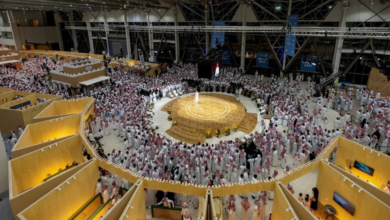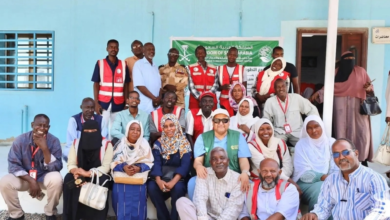

تواصل المملكة العربية السعودية جهودها الحثيثة والمستمرة لخدمة ضيوف الرحمن، وهو النهج التاريخي الذي سارت عليه منذ تأسيسها. وفي هذا السياق، كثفت أمانة منطقة المدينة المنورة أعمالها ومشاريعها الحيوية لضمان توفير رحلة حج آمنة وميسرة لملايين المسلمين الوافدين من كافة أنحاء العالم. وتأتي هذه الجهود ضمن إطار تحقيق مستهدفات رؤية السعودية 2030، وتحديداً “برنامج خدمة ضيوف الرحمن”، الذي يسعى إلى إحداث نقلة نوعية في تجربة الحجاج والمعتمرين وتسهيل وصولهم إلى الحرمين الشريفين.
تفاصيل مشروع تطوير طرق المدينة المنورة
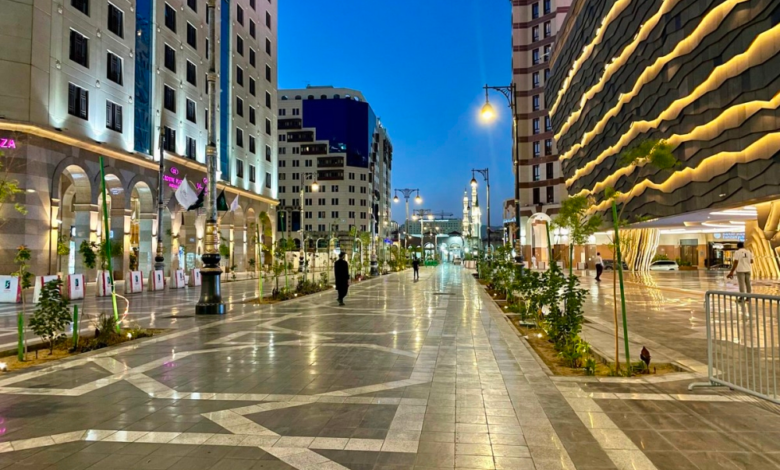
استعداداً لموسم حج عام 1447هـ، أعلنت أمانة منطقة المدينة المنورة عن إنجاز مشروع ضخم لتطوير الطرق والساحات وتحسين المشهد الحضري، خاصة في المنطقة المركزية المحيطة بالمسجد النبوي الشريف. وقد شملت هذه الأعمال الاستراتيجية تطوير طرق حيوية يبلغ إجمالي طولها أكثر من 68 ألف متر.
وتضمنت خطة التطوير الشاملة إعادة تأهيل عدة مسارات رئيسية، من أبرزها: طريق الحسين بن علي، وطريق الشيخ عبدالعزيز بن صالح، وطريق أم المؤمنين زينب بنت جحش. كما امتدت الأعمال لتشمل تطوير ساحة السلام وجادة أحد، لتشكل منظومة خدمية متكاملة تهدف بالدرجة الأولى إلى تعزيز جودة الخدمات المقدمة للحجاج والزوار وتسهيل حركتهم وتنقلاتهم بكل يسر وسهولة.
تحسين البيئة الحضرية وأنسنة المدن
لم تقتصر الجهود على تعبيد الطرق فحسب، بل شملت تنفيذ مسطحات وأعمال تأهيل حضري بمساحة إجمالية تجاوزت 67 ألف متر مربع. وفي خطوة تهدف إلى تعزيز سلامة المشاة وتطبيق معايير أنسنة المدن، تم إنشاء أرصفة حديثة بمساحة تزيد على 41 ألف متر مربع، إلى جانب تخصيص مسارات للسيارات بمساحة مماثلة، مما يساهم في فك الاختناقات المرورية وتسهيل انسيابية الحركة في أوقات الذروة.
ولإضفاء طابع جمالي يتناسب مع قدسية ومكانة المدينة المنورة، تضمنت الأعمال تركيب 192 عموداً ديكورياً للإنارة. وفي إطار مبادرة السعودية الخضراء وتحسين جودة الحياة، تمت زراعة 5944 شجرة و266 شجيرة، بالإضافة إلى إنشاء أحواض زراعية بمساحة تتجاوز 5500 متر مربع. هذه الخطوات تسهم بشكل فعال في تلطيف الأجواء، تقليل الانبعاثات الكربونية، وتحسين البيئة الحضرية للمنطقة المركزية.
الأهمية الاستراتيجية والتأثير المتوقع
يحمل تطوير طرق المدينة المنورة أهمية كبرى على عدة أصعدة. محلياً، يساهم المشروع في رفع مستوى البنية التحتية للمدينة، مما ينعكس إيجاباً على جودة حياة السكان اليومية ويقلل من الازدحام المروري. إقليمياً ودولياً، يعكس هذا التطوير مدى جاهزية المملكة وقدرتها الفائقة على إدارة الحشود الضخمة وتوفير بيئة آمنة ومريحة لملايين المسلمين الذين يتوافدون سنوياً لأداء مناسك الحج والعمرة.
وأكدت أمانة المدينة المنورة في ختام تقريرها أن هذه المشروعات التنموية لا تقتصر فوائدها على الجانب اللوجستي فقط، بل تسهم في توفير بيئة مريحة وجميلة تُسهّل تنقل الحجاج والزوار، وتُثري تجربتهم الدينية والثقافية خلال فترة تواجدهم في مدينة رسول الله صلى الله عليه وسلم، مما يترك أثراً طيباً وذكرى لا تُنسى في نفوس ضيوف الرحمن العائدين إلى بلدانهم.