Meloni criticizes Trump: NATO's sacrifices in Afghanistan are unforgettable

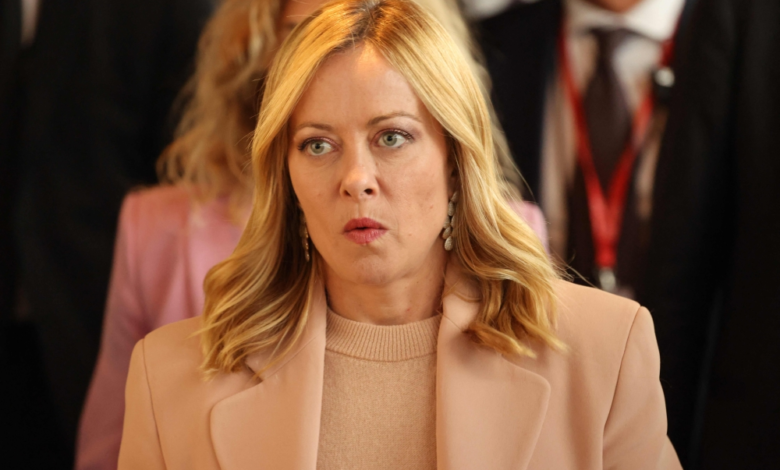
Italian Prime Minister Giorgia Meloni expressed her "deep astonishment" on Saturday at recent remarks by former US President and presidential candidate Donald Trump, in which he downplayed the vital role played by NATO forces during the war in Afghanistan. The strong and direct Italian reaction reflected the depth of European dismay at attempts to diminish shared sacrifices.
A firm message: Friendship requires respect
In an official statement issued by her office, Meloni affirmed that "the Italian government was appalled by President Trump's remarks" in which he claimed that NATO countries "fell behind in operations in Afghanistan." The Italian leader emphasized the constants of diplomatic relations, stating: "Italy and the United States share a strong and historic friendship, but true friendship requires mutual respect, a fundamental and essential condition for maintaining the solidarity that is the cornerstone of NATO.".
Italy's role in Afghanistan: Facts and figures
Meloni's remarks are backed by Italy's long history of involvement in the Afghan mission, where historical facts undeniably contradict Trump's claims. Italy was one of the largest troop contributors to ISAF and later Resolute Support, commanding the western region in Herat for many years. Over two decades, Rome deployed thousands of soldiers and paid a heavy price, with 53 Italian soldiers killed and hundreds wounded—sacrifices made in solidarity with the United States after Article 5 of the NATO treaty was invoked for the first time in history following the September 11 attacks.
The implications of these statements on the future of the alliance
These statements are raising renewed concerns within European circles about the future of transatlantic relations, particularly in light of current geopolitical challenges. Downplaying the contributions of allies not only tarnishes past relationships but also casts doubt on the credibility of future American commitments to its allies. Observers believe that such rhetoric could fuel calls for European military "strategic autonomy," as European capitals feel a growing need for self-reliance amidst the volatility of American domestic politics.
Context of the tension and timing of the crisis
This debate cannot be separated from the broader context of the US elections and the previous tensions that marred Trump's relationship with NATO during his first presidential term, when he repeatedly demanded increased military spending from member states. However, the issue of Afghanistan remains a highly sensitive point, given the chaotic manner in which the withdrawal was carried out in August 2021, and the general feeling among allies that they had engaged in a long war to protect shared Western security interests, only to be met with statements that disregarded these efforts and the blood shed in the fight against global terrorism.