The Ministry of Environment in Makkah intensifies monitoring to ensure food safety during Eid

Intensive preparations are underway in Mecca to welcome Eid al-Fitr
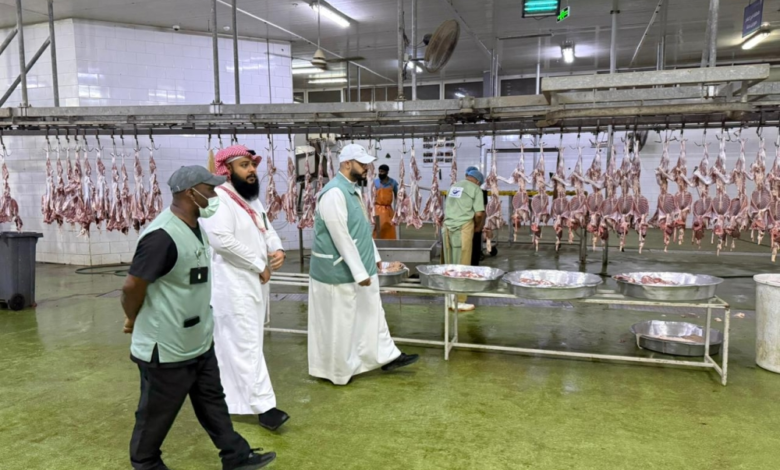
In anticipation of Eid al-Fitr, and as part of the Saudi Arabian government's commitment to the health and safety of citizens, residents, and visitors to the Holy Mosque, the Ministry of Environment, Water and Agriculture in the Makkah region has intensified its field efforts. This proactive step involves launching rigorous inspection campaigns targeting public markets and slaughterhouses to ensure the provision of services that meet consumer expectations and safeguard public health in the Holy City.
General context and importance of food security in the Holy City
Makkah holds exceptional importance both locally and within the Islamic world, particularly during religious seasons such as Ramadan and Eid al-Fitr, when large numbers of pilgrims and visitors flock to the city. This massive influx places a heightened responsibility on relevant authorities to ensure the stability of supply chains and the availability of essential food commodities. Historically, the Kingdom has consistently dedicated all its resources to managing these seasons with remarkable success, and meticulous market oversight is an integral part of the Kingdom's Vision 2030, which aims to enhance the quality of life and strengthen food security and public health.
The “Our Oversight” campaign: strategic goals and tangible results
The field campaign launched by the Ministry under the slogan “Our Oversight of Markets and Slaughterhouses for a Healthy and Safe Eid” aims to achieve several key objectives, most notably ensuring the availability of food products and verifying that all commercial establishments comply with health and environmental regulations. The intensive field visits conducted by the inspection teams have revealed a significant abundance of fresh meat, vegetables, and fruits, reassuring consumers that all their needs will be met during the Eid period without any shortages and preventing any attempts to manipulate prices or quality.
Strict veterinary procedures in Makkah slaughterhouses
The efforts were not limited to markets alone, but extended to include strict oversight of approved slaughterhouses in the region. The Ministry mandated that all operating establishments and vendors adhere to approved health regulations and instructions. These procedures include thorough veterinary inspection of carcasses before and after slaughter to monitor operations on-site and ensure the application of the highest veterinary standards. This is done to guarantee the quality and complete suitability of meat for human consumption and to protect the community from zoonotic diseases, in accordance with established local and international scientific and practical standards.
The impact of censorship at the local and regional levels
The Director General of the Ministry of Environment, Water and Agriculture branch in the Makkah region, Engineer Waleed Al-Dughaither, affirmed the continuation of daily inspection tours. He explained that these intensive efforts are part of a comprehensive system aimed at enhancing food safety. Locally, these measures contribute to creating a safe and reliable consumer environment for citizens and residents. Regionally and internationally, Makkah's success in managing its markets and slaughterhouses during peak seasons provides a model to be emulated in crowd management and ensuring safe food, reflecting the Kingdom's positive image in caring for pilgrims and providing them with the highest levels of care.