
في خطوة تعكس التطور التكنولوجي المتسارع في مجال تأمين الفعاليات الرياضية الكبرى، أعلنت السلطات المكسيكية في مدينة غوادالوبي عن استراتيجية أمنية مبتكرة وغير مسبوقة استعداداً لاستضافة مباريات كأس العالم 2026. وتعتمد هذه الخطة بشكل رئيسي على دمج الذكاء الاصطناعي والروبوتات في العمليات الشرطية التقليدية لضمان سلامة المشجعين واللاعبين.
الكلاب الآلية: ذراع الأمن الجديد في الملاعب
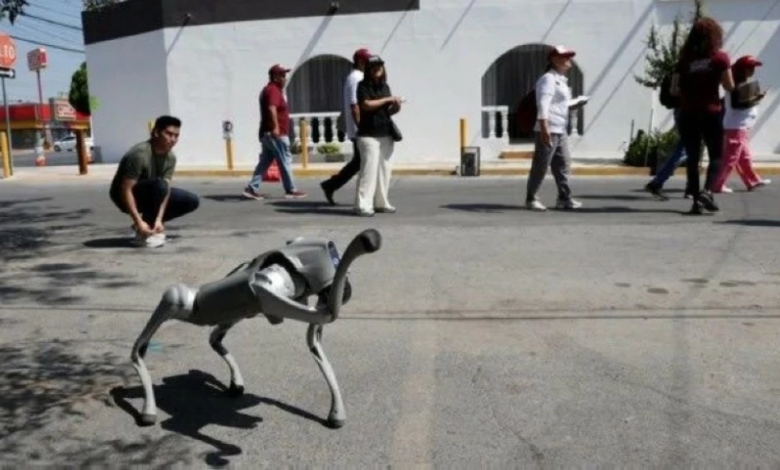
كشف عمدة مدينة غوادالوبي، هيكتور غارسيا، عن تفاصيل الخطة التي تتضمن نشر "كلاب آلية" رباعية الأرجل لدعم قوات الشرطة البشرية. هذه الروبوتات ليست مجرد أدوات للمراقبة، بل تم تصميمها لتكون خط الدفاع الأول في المواقف الخطرة. وبحسب التصريحات الرسمية، تمتلك هذه الروبوتات قدرات تقنية فائقة تشمل:
- التدخل الأولي: تقييم المخاطر في مناطق الشغب قبل وصول العناصر البشرية.
- البث المباشر: نقل صور حية وعالية الدقة لغرف العمليات لاتخاذ القرارات المناسبة.
- القدرة على المناورة: صعود الدرجات والدخول إلى الأماكن الضيقة أو المباني المهجورة التي قد يشكل دخولها خطراً على الشرطة.
- التواصل الصوتي: إصدار أوامر صوتية للمشتبه بهم أو توجيه نداءات للجماهير.
استثمار ضخم وتوزيع استراتيجي
خصصت بلدية غوادالوبي استثماراً أولياً بقيمة 2.5 مليون بيزو لشراء أربع وحدات متطورة من هذه الروبوتات. ومن المقرر نشر هذه الوحدات بشكل استراتيجي خلال الفعاليات الكبرى، وتحديداً في محيط ملعب BBVA (المعروف بملعب عمالقة الصلب)، الذي يعد أحد الملاعب الرئيسية المستضيفة للبطولة.
ويهدف هذا التوجه إلى تقليل المخاطر على حياة رجال الأمن عبر إسناد المهام الخطرة في مراحلها الأولى إلى الآلات، مما يضمن كفاءة أعلى في السيطرة على الحشود والتعامل مع أي تهديدات أمنية محتملة.
كأس العالم 2026: حدث تاريخي يتطلب إجراءات استثنائية
تكتسب هذه الإجراءات أهمية خاصة نظراً للطبيعة التاريخية لمونديال 2026، الذي سيكون النسخة الأولى التي يشارك فيها 48 منتخباً، وتقام بتنظيم مشترك بين ثلاث دول هي المكسيك والولايات المتحدة وكندا. وستستضيف المكسيك، التي سبق لها تنظيم البطولة مرتين في عامي 1970 و1986، جزءاً مهماً من المباريات في الفترة ما بين 11 يونيو و19 يوليو 2026.
ويأتي ملعب BBVA في ولاية نويفو ليون كأحد الركائز الأساسية للملف المكسيكي، حيث سيستضيف أربع مباريات هامة. لذا، فإن تأمين هذا الصرح الرياضي ومحيطه باستخدام أحدث التقنيات يبعث برسالة طمأنة للاتحاد الدولي لكرة القدم (فيفا) وللجماهير القادمة من مختلف أنحاء العالم، مؤكداً جاهزية المكسيك لتقديم نسخة آمنة ومبهرة من المونديال.