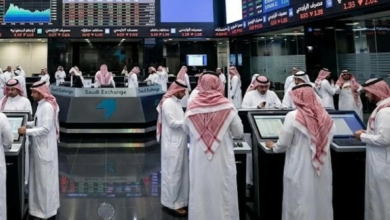
Mexican financial markets experienced significant volatility, with Mexican assets, including the peso and the stock market, coming under heavy selling pressure. This comes as investors reassess the risks associated with the widespread security chaos that has gripped large parts of the country following the announcement of a major security operation targeting the leadership of one of the world's most dangerous criminal organizations.
Financial markets and currency declined
In an immediate response to the uncertainty, Mexican stock market indices fluctuated significantly, with the benchmark S&P/BMV IPC index settling at 71,452 points, attempting to recover after a sharp drop to 70,802 points earlier in the trading session. This movement reflects investors' concerns about the potential repercussions of a security vacuum.
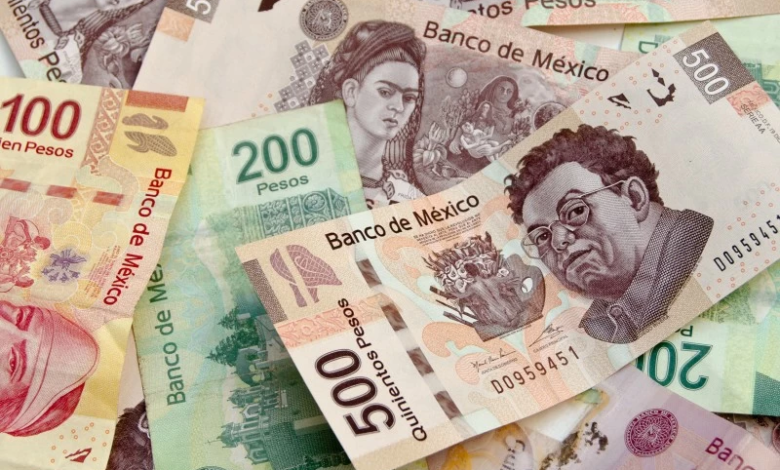
In the currency market, the US dollar rose 0.25% against the Mexican peso to 17.1733 pesos. Despite this temporary decline, the dollar is still down about 4.80% against the peso since the beginning of the year, suggesting that the current situation could be a turning point for the currency if the unrest continues.
Details of the security operation and the killing of the leader
Reports emerged yesterday that Nemesio Rubén Oseguera Cervantes, known as "El Mencho," the notorious leader of the Jalisco New Generation Cartel (CJNG), was killed during a military raid by Mexican authorities in the western state of Jalisco. El Mencho was one of the most wanted men by the U.S. Drug Enforcement Administration (DEA), with Washington offering substantial rewards for information leading to his capture.
The Jalisco Cartel is known as one of the most brutal and heavily armed organizations in Mexico, having expanded its influence rapidly over the past decade to rival the Sinaloa Cartel. Observers fear that the killing of its leader could trigger violent internal succession wars or retaliatory attacks against government forces, which explains the strong reaction on the streets and in the economy.
Travel disruptions and international warnings
The repercussions were not limited to the financial sector; they extended to the transportation and tourism sectors as well. Violent clashes erupted across the country in response to the operation, bringing some areas to a standstill. In this context, the US State Department issued an urgent travel warning to its citizens, advising them against traveling to several Mexican cities due to the risks of kidnapping and armed violence.
In response to these developments, several major international airlines canceled their scheduled flights to and from airports near the conflict zones, fearing for the safety of passengers and crew. These measures further strain the Mexican economy, which relies heavily on tourism and foreign investment, presenting the government with the dual challenge of restoring security and reassuring global markets.