The Miami meeting and the Gaza agreement: Will the efforts succeed in saving the second phase?

Diplomatic attention is focused on the Miami meeting, which represents a new and pivotal step in the series of negotiations aimed at establishing a lasting truce in the Gaza Strip. This initiative comes at a highly sensitive time, as international and regional mediators seek to avoid the deep gaps that could hinder the transition to the second phase of the proposed truce agreement, amid fears that the entire negotiation process could collapse if precise compromise formulas are not reached.
Context of the agreement and stages of the proposed plan
To understand the significance of this meeting, one must consider the general framework of the proposal previously adopted by the UN Security Council, which is based on a three-phase plan. The first phase focused primarily on a temporary ceasefire and an exchange of prisoners and detainees, as well as an increased flow of humanitarian aid. However, the real dilemma lies in moving to the second phase, which stipulates a "permanent cessation of hostilities" and the complete withdrawal of Israeli forces from Gaza. These points, in particular, constitute the core of the disagreement, as the Miami meeting seeks to formulate guarantees and interpretations acceptable to both sides that will prevent a resumption of fighting once the first phase is completed.
Challenges and fundamental obstacles of the second phase
The gaps that the participants are trying to bridge revolve around the interpretation of the term "sustainable calm" and its implementation mechanisms. While Palestinian factions demand clear international guarantees for a complete end to the war and the withdrawal of the Israeli army, Israel insists on retaining its right to resume military operations if its security objectives are not achieved. These discussions aim to find linguistic and procedural formulas that bridge the gap between these conflicting positions, particularly regarding the Philadelphi Corridor, the Rafah crossing, and future monitoring mechanisms.
Strategic importance and impact of the event
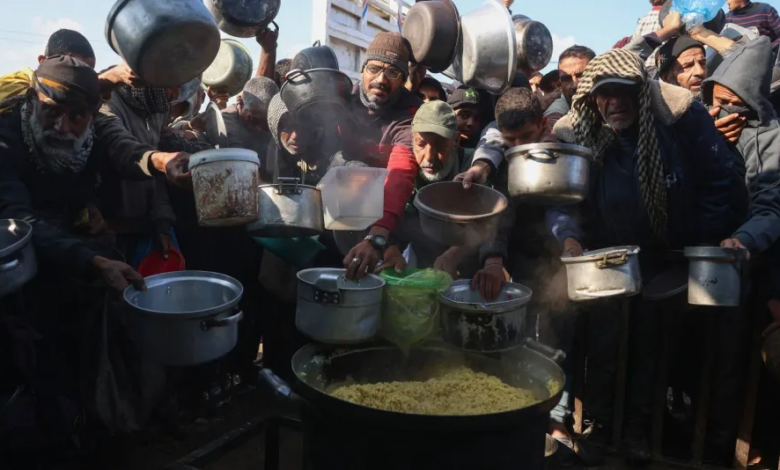
This diplomatic effort gains importance from the perilous and deteriorating humanitarian situation in the Gaza Strip. On the humanitarian front, more than two million Palestinians are pinning their hopes on the success of these negotiations to begin the reconstruction process and the return of displaced persons. Regionally, failure to reach an agreement for the second phase could lead to the conflict escalating to other fronts in the region, threatening stability throughout the Middle East. Therefore, the efforts being made in this context are seen as a last-ditch attempt to save the region from scenarios of open escalation, placing immense pressure on the United States and the mediators (Egypt and Qatar) to ensure the success of this round of talks.