Middle East aviation crisis: 27,000 flights canceled and recovery efforts underway

The Middle East aviation sector has recently faced unprecedented challenges, as escalating geopolitical tensions have cast a long shadow over air travel. According to the latest data from Cirium, an aviation analytics firm, the number of canceled flights to major regional hubs has surpassed 27,000 since the latest military escalation began. This staggering figure reflects more than just routine cancellations; it points to a profound operational crisis impacting the vital air transport artery connecting East and West.
Strategic importance and impact of geographical location
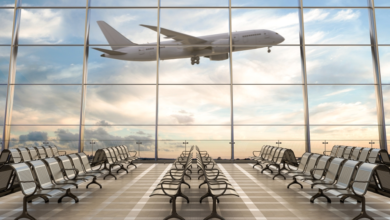
This crisis takes on dangerous dimensions given the strategic geographical location of the Middle East, which serves as a bottleneck for global air traffic. Major international and regional airlines rely on the region's airspace as a key transit point for long-haul flights between Europe, Asia, and Australia. With the outbreak of war and its continued escalation with no end in sight, airlines have been forced to make difficult decisions, suspending flights or rerouting them to avoid conflict zones, leaving thousands of passengers stranded and stuck in the region's airports.
Operational challenges and gradual return
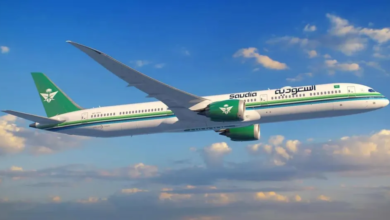
Although some airlines have announced plans to fully resume operations within days, industry experts emphasize that a return to "normal" will not be immediate, even with a ceasefire. Resuming flights requires complex logistical efforts, including relocating diverted aircraft to alternative airports and rescheduling crews and pilots to ensure their working hours comply with international safety regulations. In this context, Dubai International Airport has begun a partial and gradual resumption of operations, announcing a limited flight schedule after a temporary suspension aimed at ensuring the safety of passengers and crew.
Economic cost and route adjustments
The consequences extend beyond flight cancellations to include significant operational costs. Airlines have been forced to reroute flights to longer, safer air corridors, resulting in increased fuel consumption and longer flight times, which could ultimately affect ticket prices. Aircraft are also carrying extra fuel or making refueling stops as a precaution against emergencies or sudden route diversions, adding further financial and logistical burdens to companies struggling to recover in this uncertain environment.