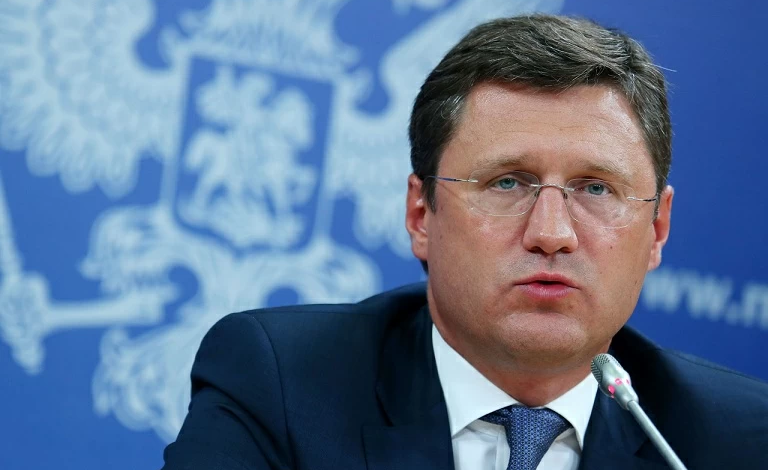

أكد نائب رئيس الوزراء الروسي، ألكسندر نوفاك، أن الصراع في الشرق الأوسط يقود إلى تحولات جوهرية قد تفضي إلى إعادة تشكيل سلاسل الإمداد والمسارات اللوجستية العالمية، فضلاً عن دفع الدول للبحث عن مصادر جديدة للطاقة. جاءت تصريحاته خلال مشاركته في منتدى سانت بطرسبرغ الاقتصادي الدولي، لتسلط الضوء على القلق المتزايد في الأوساط الاقتصادية العالمية من التداعيات بعيدة المدى للتوترات الجيوسياسية في المنطقة.
وأوضح نوفاك أن تراكم العوامل الناتجة عن الأوضاع الحالية في المنطقة يرفع من مستوى التحديات، وقد يجعلها حدثاً أكثر تأثيراً على قطاع الطاقة وقطاعات اقتصادية أخرى. ونقلت وكالة “انترفاكس” الروسية عن نوفاك قوله إن هذه التطورات تفرض واقعاً جديداً يتطلب مرونة عالية وقدرة على التكيف من جميع الأطراف الفاعلة في الاقتصاد العالمي.
شرايين التجارة العالمية في قلب العاصفة
تعتبر منطقة الشرق الأوسط، وتحديداً ممر البحر الأحمر وقناة السويس، شرياناً حيوياً للتجارة العالمية، حيث يمر عبره ما يقارب 12% من حجم التجارة الدولية. تاريخياً، أدت الصراعات في هذه المنطقة إلى اضطرابات كبيرة في حركة الملاحة، لكن التوترات الحالية، خاصة الهجمات في البحر الأحمر، أدت إلى تغييرات فورية وملموسة. فقد اضطرت كبرى شركات الشحن العالمية إلى تحويل مسار سفنها لتدور حول رأس الرجاء الصالح في أفريقيا، وهو مسار أطول وأكثر تكلفة، مما يضيف أسابيع إلى مدة الرحلات ويزيد من تكاليف الوقود والتأمين بشكل كبير، الأمر الذي ينعكس سلباً على أسعار السلع النهائية للمستهلكين حول العالم.
تداعيات الصراع في الشرق الأوسط على الاقتصاد العالمي
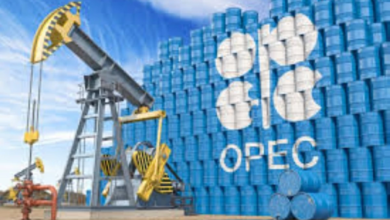
لا تقتصر التأثيرات على الجانب اللوجستي فحسب، بل تمتد لتشمل أسواق الطاقة العالمية. وأشار نوفاك إلى أنه توصل، خلال نقاشاته مع وزير الطاقة السعودي الأمير عبد العزيز بن سلمان، إلى أن التوقعات المتعلقة بالطلب على النفط باتت غير واضحة. وأكد أن التقديرات التي كانت مطروحة قبل عدة سنوات تحتاج اليوم إلى مراجعات جذرية في ظل المتغيرات الراهنة. حالة عدم اليقين هذه تضع ضغوطاً إضافية على تحالف “أوبك بلس”، الذي يسعى جاهداً لتحقيق التوازن في الأسواق.
وأضاف نوفاك أن تحالف “أوبك بلس” يمتلك في الوقت الحالي قدرة غير مسبوقة على تقييم التطورات واتخاذ القرارات المناسبة التي تسهم في الحد من تداعيات الأوضاع القائمة وتحقيق التوازن في الأسواق. وتأتي هذه الجهود في وقت حرج، حيث يمكن لأي تصعيد إضافي في المنطقة أن يؤدي إلى تقلبات حادة في أسعار النفط، مما يهدد استقرار الاقتصاد العالمي الذي لا يزال يتعافى من أزمات سابقة.