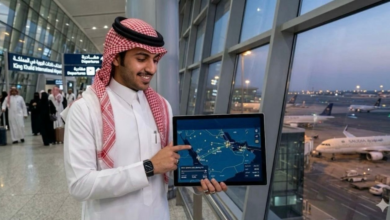
21,300 flights cancelled in the Middle East, resulting in billions in losses

The global aviation and travel industry is facing one of its most complex crises in recent years, as airlines race against time to cope with the economic and logistical fallout from the escalating air war and geopolitical tensions between the United States and Israel on one side, and Iran on the other. These tensions have cast a long shadow over air traffic in the Middle East, a vital artery connecting East and West.
Paralysis in major air axes
Recent data from Flightradar24, a website specializing in flight tracking, reveals the cancellation of approximately 21,300 flights at seven key airports in the region, including major global hubs such as Dubai International Airport, and the airports in Doha and Abu Dhabi. This mass cancellation since the start of the airstrikes has resulted in the closure of major airports or the imposition of strict operational restrictions for the fourth consecutive day, leaving tens of thousands of passengers stranded in terminals awaiting alternative solutions.
Economic losses exceeding the repercussions of the pandemic
In analyzing the economic impact, Paul Charles, CEO of a leading luxury travel consultancy, described the current situation as "the biggest shutdown the industry has seen since the COVID-19 pandemic." Charles pointed out that the economic toll will not be limited to passenger tickets but will extend to the air cargo sector, predicting losses of billions of dollars. This bleak outlook stems from the pivotal role passenger aircraft play in transporting commercial goods within their cargo holds, meaning that the cessation of passenger traffic automatically paralyzes global supply chains.
Logistical complexities and alternative routes
Security disruptions have forced global airlines to redraw their routes, increasing reliance on narrow and congested air corridors for long-haul flights between Europe and Asia. This forced shift not only complicates air operations but also significantly raises operating costs and fuel consumption due to the longer routes, adding further financial burdens to companies still recovering from the effects of previous years.
The shipping and express mail sector was affected
Shipping companies were not immune to this crisis; the giant FedEx announced in an email that it was resorting to exceptional emergency measures in its operations in the Middle East. The company confirmed that it was trying to resume pickup and delivery services wherever possible and safe, but that the ongoing disruptions were posing daily challenges to the movement of goods, which could affect the flow of goods and products in regional and international markets.
Government efforts to evacuate those stranded
Amid the explosions in places like Tehran and Beirut, stranded travelers rushed to book the few available seats on special repatriation flights organized by governments to bring their citizens home. Governments are working in coordination with civil aviation authorities to secure safe passage for citizens returning home, as the region's thriving commercial hubs try to protect their economic gains and diversify their resources away from escalating geopolitical risks.