1,560 flights to the Middle East cancelled: Cirium report and the impact of tensions


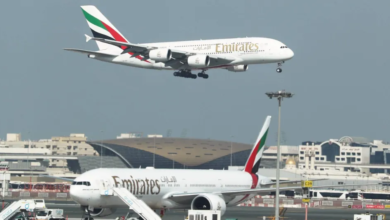
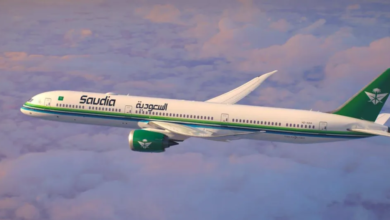
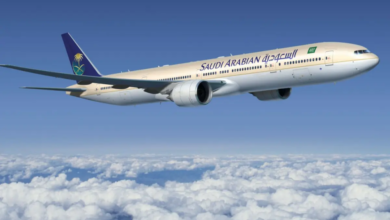
The global aviation sector experienced significant disruption today, with recent data revealing a widespread wave of flight cancellations to the Middle East. According to a preliminary report from Cirium, a leading global aviation data analytics company, airlines were forced to cancel approximately 1,560 flights scheduled for today – a staggering 41% of all flights planned to the region.
The most affected centers and details of the report
The analytical report clarified that the impact of these cancellations was not uniform across the region, but rather concentrated heavily in the major air transport hubs of the Arabian Gulf. The United Arab Emirates, the Kingdom of Bahrain, and the State of Qatar topped the list of countries most affected in terms of the number of canceled flights. These countries serve as crucial hubs connecting East and West, meaning that any disruption in their airspace impacts global travel as a whole, not just regional flights.
The geopolitical context and its impact on air navigation security
These precautionary measures by airlines come as a direct response to the rapidly evolving security situation in the region, particularly following the US and Israeli airstrikes on targets in Iran. Historically, Middle Eastern airspace is among the busiest and most important in the world, and any military tension prompts airlines to immediately activate contingency plans, including flight cancellations or rerouting to avoid potential conflict zones, in compliance with stringent international safety standards.
Global repercussions and challenges of long-distance travel
The disruption wasn't limited to direct flights to the region; it also affected long-haul flights that typically rely on crossing Middle Eastern airspace to connect Europe, Asia, and Australia. Airspace closures or restrictions in this vital region force aircraft to take longer, alternative routes, increasing fuel consumption and flight hours, and consequently leading to cumulative delays in global flight schedules.
Travel tips and airport procedures
Amid these uncertain circumstances, major international airports have issued warnings to travelers. London Heathrow, one of the UK's busiest airports and a key gateway for international flights, urged all passengers traveling to or transiting through the Middle East to contact their airlines directly to check the status of their flights before heading to the airport. This advisory aims to avoid overcrowding in departure halls and minimize passenger inconvenience given the ongoing operational uncertainty.