
مقدمة: استراتيجية استباقية لخدمة ضيوف الرحمن
في خطوة تعكس التزام المملكة العربية السعودية الراسخ بتطوير منظومة الخدمات المقدمة لضيوف الرحمن، أعلن معالي وزير الحج والعمرة، الدكتور توفيق بن فوزان الربيعة، عن استراتيجية استباقية غير مسبوقة. وتتمثل هذه الاستراتيجية في البدء بوضع خطة الحج للموسم المقبل قبل انتهاء الموسم الحالي. يأتي هذا التوجه ضمن منظومة عمل تكاملية تشارك فيها مختلف الجهات الحكومية، ومكاتب شؤون الحجاج، وشركات الحج، بهدف الارتقاء بالخدمات وتعزيز كفاءة الجاهزية التشغيلية لتسهيل أداء المناسك.
السياق التاريخي لجهود المملكة في إدارة الحج
على مر التاريخ، شكلت رعاية الحجاج والمعتمرين أولوية قصوى للقيادة السعودية منذ توحيد المملكة. فقد تطورت إدارة الحج من جهود تنظيمية تقليدية إلى منظومة مؤسسية متكاملة تعتمد على أحدث التقنيات والتخطيط الاستراتيجي المبكر. تاريخياً، كانت الاستعدادات تبدأ بعد انتهاء الموسم بأشهر، ولكن مع تزايد أعداد الحجاج وتطور البنية التحتية، أدركت المملكة ضرورة التحول نحو التخطيط الاستباقي لضمان أعلى مستويات الأمن والسلامة والراحة لملايين المسلمين الذين يتوافدون من شتى بقاع الأرض.
تفاصيل خطة الحج المبكرة والتنسيق الدولي
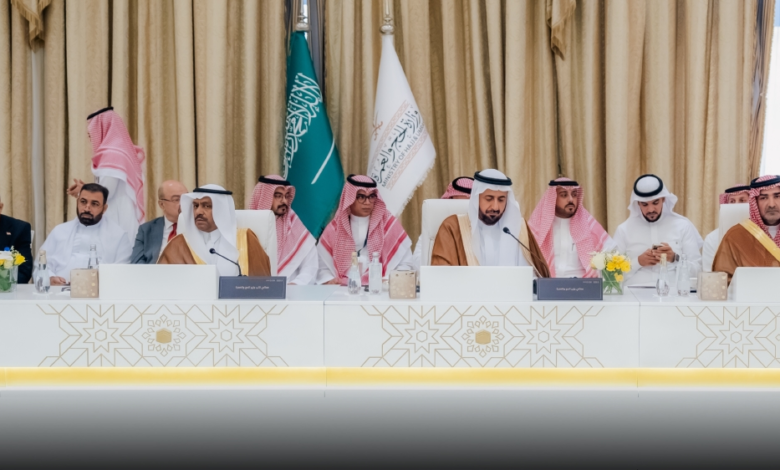
جاءت تصريحات وزير الحج والعمرة خلال جلسة حوارية ضمن فعاليات منتدى الصحة والأمن في الحج في نسخته الثالثة، والذي تنظمه الإدارة العامة للخدمات الطبية بوزارة الداخلية. وأوضح الدكتور الربيعة أن الاستعدادات الفعلية لموسم الحج المقبل تنطلق تحديداً في الثاني عشر من شهر ذي الحجة. يتم ذلك من خلال عقد لقاءات مكثفة مع رؤساء مكاتب شؤون الحجاج والشركات العاملة في هذا القطاع، لوضع خارطة طريق متكاملة. وأشار إلى أن الوزارة بدأت منذ الموسم الماضي بوضع خطة تفصيلية وفق جداول زمنية محددة بالتنسيق مع 78 دولة، مما يضمن سلاسة الأعمال ومتابعة الجوانب التشغيلية في المشاعر المقدسة، والإسكان في مكة المكرمة والمدينة المنورة، وخدمات النقل والإعاشة.
التأثير المحلي والإقليمي والدولي لتطوير منظومة الحج
يحمل هذا التخطيط المبكر تأثيرات واسعة النطاق. على الصعيد المحلي، يسهم في تحفيز الاقتصاد وتوفير فرص عمل موسمية ودائمة، فضلاً عن الاستغلال الأمثل للبنية التحتية الضخمة في مكة والمدينة. إقليمياً ودولياً، يعزز هذا النهج من طمأنينة الدول الإسلامية ومكاتب شؤون الحجاج حول العالم، حيث يتيح لهم وقتاً كافياً لترتيب إجراءات سفر وإقامة حجاجهم. كما يقلل من التحديات اللوجستية والصحية التي قد تواجه الحشود المليونية، مما يعكس صورة إيجابية ومشرقة عن كفاءة الإدارة السعودية للأزمات والحشود.
تكامل الجهود لتحقيق مستهدفات رؤية السعودية 2030
وبيّن الوزير أن مكتب إدارة مشاريع الحج، التابع لبرنامج خدمة ضيوف الرحمن والذي يعمل تحت مظلة لجنة الحج العليا وبإشراف مباشر من إمارة منطقة مكة المكرمة، يتولى استقبال الخطط التشغيلية من أكثر من 60 جهة حكومية. تشمل هذه الجهود أكثر من 600 خطة مرتبطة بأعمال الحج، حيث يتم العمل على مواءمتها لضمان تناغم الجهود ومنع أي تقاطعات. وأكد الربيعة أن هذه النقلة النوعية تأتي بتوجيهات القيادة الرشيدة، وتعمل جميع الجهات بروح الفريق الواحد لتمكين الحجاج من أداء مناسكهم بيسر وطمأنينة. يواكب هذا التطور مستهدفات رؤية المملكة 2030 وبرنامج خدمة ضيوف الرحمن، مما يرسخ مكانة المملكة وريادتها العالمية في خدمة الإسلام والمسلمين.