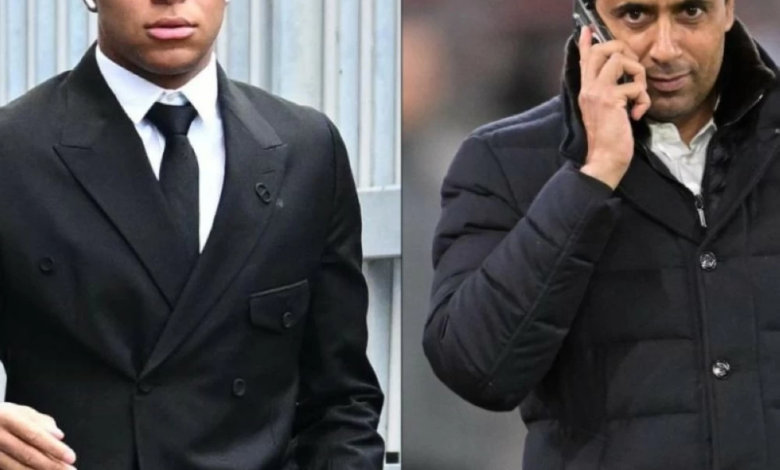

عادت قضية النزاع المالي الشائك بين النجم الفرنسي كيليان مبابي وناديه السابق باريس سان جيرمان لتتصدر المشهد الرياضي العالمي من جديد، في فصلٍ قد يكون الأكثر حدة منذ رحيل قائد المنتخب الفرنسي عن "حديقة الأمراء". وتأتي هذه التطورات في وقت ظن فيه الكثيرون أن الأمور تتجه نحو التهدئة بعد سداد جزء كبير من المستحقات، إلا أن التفاصيل القانونية الدقيقة أعادت إشعال فتيل الأزمة.
تفاصيل المطالبة المالية الجديدة
وفقاً لما كشفته صحيفة "ليكيب" الفرنسية، لم يكتفِ كيليان مبابي، المنتقل حديثاً إلى صفوف ريال مدريد، بالتسويات الجزئية، بل لجأ مجدداً إلى القضاء عبر محضر رسمي. يطالب اللاعب بالحصول على مبلغ متبقٍ يقارب 5.9 مليون يورو. ورغم أن النادي الباريسي قام بخطوة إيجابية بسداد نحو 55 مليون يورو تغطي رواتب أشهر أبريل ومايو ويونيو 2024 بالإضافة إلى مكافآت التوقيع، إلا أن المبلغ المتبقي والمتعلق ببدلات الإجازات وفوائد التأخير لا يزال عالقاً.
السياق العام وجذور الخلاف
لفهم عمق هذه الأزمة، يجب العودة إلى الكواليس التي سبقت انتقال مبابي إلى ريال مدريد. العلاقة بين الطرفين تدهورت بشكل دراماتيكي بعد رفض اللاعب تفعيل بند التمديد لعام إضافي، مما اعتبرته إدارة ناصر الخليفي خرقاً للاتفاقات الضمنية التي كانت تهدف لحماية النادي مالياً عند رحيله. استند باريس سان جيرمان سابقاً إلى "اتفاق شفهي" مزعوم بتنازل اللاعب عن بعض مستحقاته مقابل الرحيل المجاني، وهو ما لم يعترف به الجانب القانوني لمبابي، مما دفع رابطة الدوري الفرنسي (LFP) للتدخل وإصدار قرارات ملزمة لصالح اللاعب.
التهديد بالحجز وتصعيد الموقف
أوضحت التقارير أن الأمر القانوني الجديد يمنح إدارة باريس سان جيرمان مهلة زمنية ضيقة لا تتجاوز 8 أيام لتسوية المبلغ المتبقي (5.9 مليون يورو). وفي حال استمرار المماطلة أو الرفض، فإن الفريق القانوني لمبابي يمتلك الحق في اتخاذ إجراءات تصعيدية غير مسبوقة، قد تصل إلى الحجز التنفيذي المباشر على الحسابات البنكية للنادي أو تجميد بعض أصوله المالية لضمان السداد، وهو إجراء سيشكل ضربة معنوية وإدارية قوية لبطل الدوري الفرنسي.
تأثير الأزمة على صورة النادي واللاعب
لا تقتصر تداعيات هذه القضية على الجانب المالي فحسب، بل تمتد لتشمل التأثير على سمعة باريس سان جيرمان في سوق الانتقالات الدولية. استمرار النزاعات القضائية مع أسطورة النادي السابق قد يبعث برسائل سلبية للنجوم المستهدفين مستقبلاً حول طريقة تعامل الإدارة مع لاعبيها عند المغادرة. على الصعيد الآخر، يؤكد مبابي من خلال هذا الإصرار على أنه لا مجال للعواطف في العقود الاحترافية، مما يرسخ صورة جديدة للعلاقة بين الأندية واللاعبين في عصر كرة القدم الحديثة، حيث تحكم العقود والبنود القانونية كل التفاصيل بدقة متناهية.