
تولي المملكة العربية السعودية، منذ تأسيسها، اهتماماً بالغاً وعناية فائقة بخدمة ضيوف الرحمن، حيث تُسخر كافة إمكاناتها البشرية والمادية والتقنية لضمان راحة الحجاج والمعتمرين. وتأتي البنية التحتية، وعلى رأسها قطاع الطاقة والكهرباء، كأحد أهم الركائز الأساسية التي تعتمد عليها منظومة الخدمات في مكة المكرمة والمشاعر المقدسة، خاصة في ظل التحديات المناخية والأعداد المليونية التي تتوافد سنوياً لأداء المناسك. وفي إطار رؤية المملكة 2030، شهدت هذه الخدمات تطوراً غير مسبوق من خلال دمج التقنيات الحديثة والذكاء الاصطناعي لإدارة الحشود والموارد بكفاءة عالية.
وزير الداخلية يقف على جاهزية المشاعر المقدسة
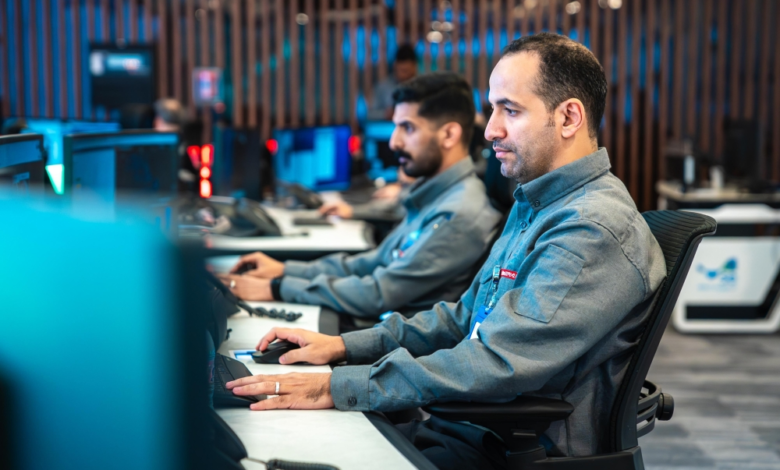
وفي هذا السياق المستمر من التطوير والمتابعة، زار صاحب السمو الملكي الأمير عبدالعزيز بن سعود بن نايف بن عبدالعزيز، وزير الداخلية ورئيس لجنة الحج العليا، يوم الخميس، مركز العمليات والتحكم بمشعر منى التابع للشركة السعودية للكهرباء. وتأتي هذه الزيارة الميدانية ضمن جهود سموه الحثيثة للوقوف على جاهزية كافة القطاعات الخدمية والأمنية المشاركة في موسم حج 1447هـ، والتأكد من تكامل الأدوار لتقديم أفضل الخدمات لحجاج بيت الله الحرام.
توظيف الذكاء الاصطناعي في إدارة الأحمال الكهربائية
خلال الجولة التفقدية، استمع سمو وزير الداخلية إلى شرح مفصل وعميق قدمه مساعد وزير الطاقة لشؤون الكهرباء، المهندس ناصر بن هادي القحطاني. وتناول الشرح منظومة إدارة الأحمال الكهربائية وآليات المراقبة الدقيقة للشبكات وتشغيلها في المشاعر المقدسة. وقد برز في هذا العرض الاعتماد الكبير على أساليب التحليل الاستباقي للمؤشرات التشغيلية، والتي تعتمد بشكل أساسي على تقنيات الذكاء الاصطناعي. هذا التوجه التقني المتقدم يساهم بشكل مباشر في تعزيز موثوقية الخدمة الكهربائية، ويخفض من زمن الاستجابة لأي طارئ، ويرفع من مستوى الجاهزية التشغيلية على مدار الساعة خلال أيام موسم الحج.
مراقبة الشبكات الكهربائية بالزمن الفعلي
كما اطلع سمو رئيس لجنة الحج العليا على الأنظمة التقنية المتطورة المستخدمة في متابعة الأحمال والتحكم بالشبكات الكهربائية بالزمن الفعلي، إن هذا المستوى من التحكم اللحظي يلعب دوراً محورياً في تعزيز كفاءة التشغيل وسرعة الاستجابة للملاحظات التشغيلية. ولا يقتصر أثر هذا الاستقرار الكهربائي على توفير الإضاءة والتكييف فحسب، بل يمتد ليكون الداعم الأول لنجاح الخطط الأمنية، والخدمية، والصحية، مما يضمن استقرار كافة الخدمات المقدمة لضيوف الرحمن وتوفير بيئة آمنة ومريحة لهم لأداء مناسكهم بكل طمأنينة.
تكامل الأمن والسلامة مع استقرار الطاقة
ولأن الأمن والسلامة هما الهاجس الأول في إدارة الحشود المليونية، استمع سمو الأمير عبدالعزيز بن سعود إلى إيجاز شامل عن مركز عمليات الأمن والسلامة. يُعنى هذا المركز الحيوي باستقبال البلاغات الأمنية الطارئة ومتابعتها بدقة متناهية. وقد تم استعراض الجهود التشغيلية والتقنية المبذولة لضمان سرعة الاستجابة والتعامل الفوري والاحترافي مع كافة الحالات الطارئة، مما يعزز من كفاءة الخدمات المقدمة ويطمئن الحجاج وذويهم في كافة أنحاء العالم الإسلامي.
التأثير الإقليمي والدولي لجهود المملكة
إن هذه الاستعدادات المبكرة والمتقدمة تحمل تأثيراً إيجابياً يتجاوز النطاق المحلي ليصل إلى النطاقين الإقليمي والدولي. فعلى الصعيد الدولي، تبعث هذه الإجراءات رسالة طمأنينة لملايين المسلمين حول العالم بأن المملكة تسخر أحدث ما توصلت إليه التكنولوجيا لخدمة الحجاج. كما تُرسخ مكانة السعودية كنموذج عالمي رائد في إدارة الحشود الكبرى وتطوير المدن الذكية المؤقتة التي تعمل بكفاءة تامة تحت ضغط عالٍ ولفترة زمنية محددة.
وفي ختام الزيارة، التي حضرها عدد من كبار المسؤولين، من بينهم مساعد وزير الداخلية الأستاذ هشام بن عبدالرحمن الفالح، ووكيل وزارة الداخلية الأستاذ خالد بن محمد البتال، ومدير عام مكتب الوزير للدراسات والبحوث اللواء خالد بن إبراهيم العروان، تأكد للجميع أن منظومة العمل في المشاعر المقدسة تسير وفق خطط استراتيجية مدروسة، تضع راحة وسلامة الحاج فوق كل اعتبار.