Environment: 18,000 inspection tours to secure Ramadan markets and slaughterhouses

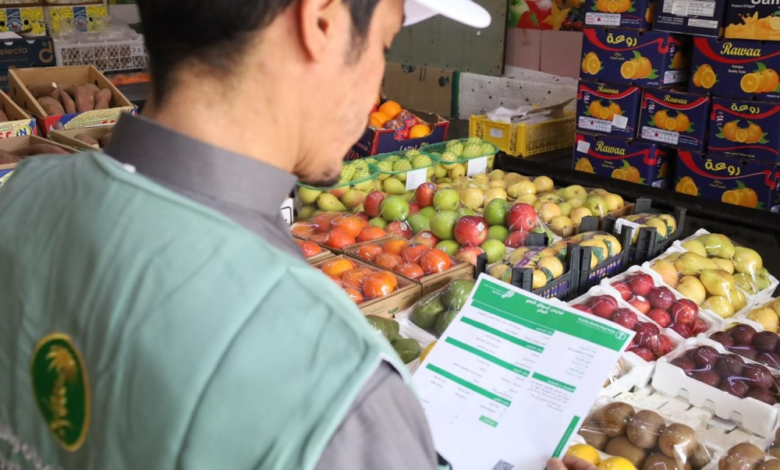
As part of its proactive preparations for the holy month of Ramadan, the Ministry of Environment, Water and Agriculture conducted an intensive and comprehensive inspection campaign during the second week of February, targeting public markets and slaughterhouses across the Kingdom. These measures aim to ensure the highest levels of preparedness and the availability of safe food products for consumers during this season, which typically sees a significant increase in demand.
Details of the monitoring campaign and the figures recorded
The ministry revealed in its report that its field teams visited 17,948 establishments, reflecting the extensive efforts undertaken to cover all markets. These inspections resulted in the detection and issuance of 2,896 violations and warnings against establishments that failed to comply with health and safety requirements.
The ministry explained that field teams, comprising 494 inspectors, seized more than 58,500 kilograms of various food products, including vegetables, fruits, meat, poultry, and fish. These quantities were found to be non-compliant with approved health and safety standards, necessitating their immediate destruction in accordance with established regulations, in order to protect public health and prevent spoiled food from reaching Ramadan tables.
Slaughterhouse and laboratory testing statistics
Regarding the red meat sector, the ministry clarified that the total number of animals slaughtered in its supervised abattoirs during the same period reached 111,322 head of livestock (sheep, cattle, and camels). To ensure that agricultural products are free from chemical contaminants, the ministry conducted thorough laboratory tests to detect pesticide residues, including 1,482 random samples of products offered in the markets.
The importance of proactive monitoring before Ramadan
These campaigns are of paramount importance given the unique consumer behavior of the holy month of Ramadan, when demand for food and meat increases significantly. Through these proactive initiatives, the Ministry aims to achieve several strategic objectives, the most important of which are:
- Enhancing food security: Ensuring the availability of essential goods of high quality and at reasonable prices.
- Consumer protection: Prevention of food poisoning and illnesses that may result from improper storage or display.
- Market regulation: Preventing monopolistic practices or commercial fraud that may become active during peak seasons.
Community partnership and awareness promotion
The ministry's efforts were not limited to oversight and penalties, but also extended to awareness and community outreach. The campaign witnessed active participation from 31 associations specializing in food preservation, reflecting the integration between the government and non-profit sectors to reduce food waste, which can increase during the holy month.
368 awareness and educational campaigns were also carried out targeting both beneficiaries and service providers in markets and slaughterhouses, with the aim of promoting sound health practices and introducing the requirements necessary to ensure food safety from farm to table.
Future aspirations and goals
Through these ongoing campaigns, the Ministry aims to ensure the full operational readiness of markets and slaughterhouses to efficiently meet increasing demand. It also seeks to intensify field inspections to guarantee compliance with the highest quality standards and enhance the level of services provided to citizens and residents, in line with the Kingdom's Vision 2030 objectives of improving quality of life and ensuring a sustainable and healthy environment.