
جهود استثنائية لخدمة ضيوف الرحمن في منافذ جدة
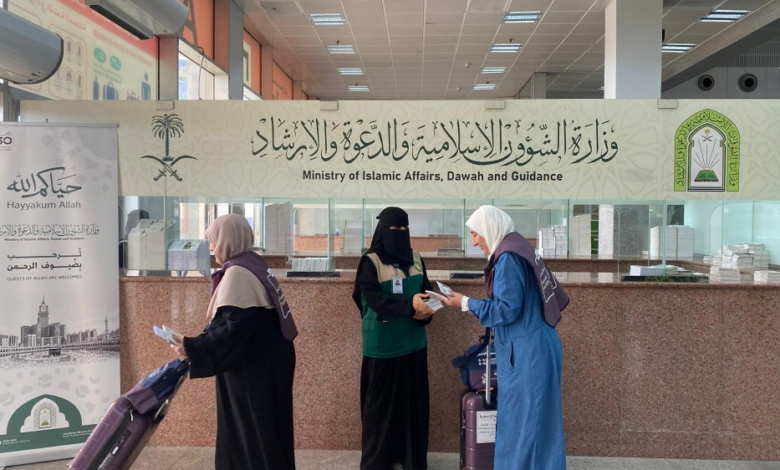
في إطار سعيها الدؤوب لتقديم أرقى الخدمات لضيوف الرحمن، تواصل وزارة الشؤون الإسلامية والدعوة والإرشاد، ممثلة بمكتب أعمال الوزارة في مطار الملك عبدالعزيز الدولي وميناء جدة الإسلامي، تنفيذ برامجها التوعوية والإرشادية الشاملة. وتأتي هذه الجهود ضمن منظومة متكاملة تهدف إلى توعية الحجاج القادمين لأداء مناسك الحج لعام 1447هـ، وتيسير أدائهم للمناسك وفق هدي الكتاب والسنة النبوية المطهرة.
السياق التاريخي: جدة بوابة الحرمين الشريفين
تاريخياً، تُعرف مدينة جدة بأنها البوابة الرئيسية للحرمين الشريفين والمحطة الأولى التي يستقر فيها الحجاج قبل التوجه إلى مكة المكرمة. ومنذ توحيد المملكة العربية السعودية على يد الملك عبدالعزيز آل سعود -طيب الله ثراه-، أخذت القيادة السعودية على عاتقها شرف خدمة الحجاج وتسهيل رحلتهم الإيمانية. ومع مرور العقود، تطورت هذه الخدمات بشكل جذري، لتنتقل من الأساليب التقليدية في الإرشاد إلى تبني أحدث التقنيات الرقمية، بما يتماشى مع مستهدفات ‘برنامج خدمة ضيوف الرحمن’ الذي يعد أحد أهم برامج رؤية السعودية 2030.
توزيع مئات الآلاف من المطبوعات الإرشادية
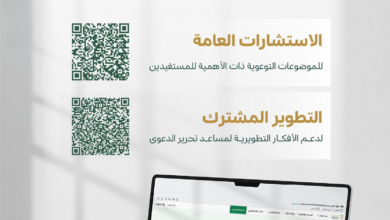
شملت الجهود الميدانية منذ بدء وصول الحجاج لموسم حج 1447هـ وحتى اليوم، توزيع أكثر من 285 ألف مطبوعة علمية وإرشادية. وتضمنت هذه التوزيعات كتباً ومطويات شرعية تُعنى بأحكام الحج والعمرة والزيارة، من أبرزها: ‘مطوية أعمال الحج’، وكتاب ‘التحقيق والإيضاح’، و’دليل الحاج والمعتمر’، و’حصن المسلم’، و’المختصر في صفة الحج والعمرة’. ولم تقتصر الجهود على المطبوعات الورقية، بل شملت توزيع بطاقات تعريفية بالمكتبة الإلكترونية للوزارة وتطبيقاتها الرقمية، مما يتيح للحاج حمل مكتبة إسلامية متكاملة في هاتفه الذكي.
التحول الرقمي: الاتصال المرئي للفتاوى
في خطوة تعكس التطور التقني الكبير، وفرت الوزارة أجهزة الاتصال المرئي في مواقع استقبال ضيوف الرحمن. تهدف هذه التقنية إلى تمكين الحجاج من طرح استفساراتهم الشرعية والحصول على الفتاوى والإرشادات على مدار الساعة. ويتم الرد على هذه الاستفسارات عبر نخبة من الدعاة والمترجمين المؤهلين، مما يضمن وصول المعلومة الشرعية الصحيحة بأسلوب ميسر ومباشر، ويقضي على الفتاوى غير الموثوقة والاجتهادات الخاطئة.
تنوع لغوي يعكس عالمية الرسالة
إدراكاً من الوزارة لتنوع جنسيات وثقافات الحجاج، حرصت على توفير المطبوعات والخدمات الإرشادية بلغات عالمية متعددة. شملت هذه اللغات: الإنجليزية، والأردية، والإندونيسية، والتركية، والبنغالية، والفرنسية، والروسية، والفارسية، والهوسا، والمليبارية. هذا التنوع اللغوي يسهم بشكل فعال في إيصال الرسائل التوعوية إلى ضيوف الرحمن بلغاتهم الأم، مما يكسر حاجز اللغة ويسهل عليهم فهم تفاصيل المناسك بدقة.
الأهمية والتأثير المتوقع (محلياً ودولياً)
على الصعيد المحلي، تساهم هذه البرامج التوعوية المكثفة في تنظيم حركة الحجاج وتقليل الازدحام الناتج عن عدم المعرفة بخطوات المناسك، مما يسهل عمل الجهات الأمنية والتنظيمية. أما على الصعيدين الإقليمي والدولي، فإن هذه الرعاية الفائقة تعزز من الصورة الذهنية الإيجابية للمملكة العربية السعودية كقائدة للعالم الإسلامي وحاضنة للحرمين الشريفين. إن تقديم هذه الخدمات المجانية والمتقدمة يترك أثراً عميقاً في نفوس ملايين المسلمين العائدين إلى أوطانهم، حيث ينقلون تجاربهم الإيجابية، مما يعكس القوة الناعمة للمملكة وحرص قيادتها الرشيدة -أيدها الله- على العناية بضيوف الرحمن منذ لحظة وصولهم وحتى مغادرتهم سالمين غانمين.