
جهود استباقية لضمان راحة ضيوف الرحمن
في إطار الاستعدادات المكثفة لموسم الحج، أعلنت وزارة التجارة في المملكة العربية السعودية عن تنفيذ أكثر من 33 ألف جولة رقابية استباقية شملت مكة المكرمة، والمدينة المنورة، بالإضافة إلى كافة الطرق الرئيسية المؤدية إلى الحرمين الشريفين. تأتي هذه الخطوة الاستراتيجية منذ بداية شهر ذي القعدة الجاري، ضمن خطة الوزارة الشاملة لموسم الحج، بهدف ضمان تقديم أفضل الخدمات لحجاج بيت الله الحرام وتوفير بيئة تجارية آمنة ومستقرة تلبي تطلعاتهم.
تفاصيل الجولات الرقابية والمنشآت المستهدفة
لم تقتصر الجولات الرقابية على قطاع واحد، بل شملت تغطية واسعة النطاق لضمان تلبية كافة احتياجات الحجاج. وقد ركزت الفرق الرقابية الميدانية على القطاعات التالية:
- المنشآت التجارية ومنافذ البيع بالتجزئة والجملة.
- الأسواق المركزية التي تشهد إقبالاً كثيفاً من قبل ضيوف الرحمن.
- مراكز خدمة السيارات ومحطات الوقود على الطرق السريعة لضمان سلامة تنقلات الحجاج.
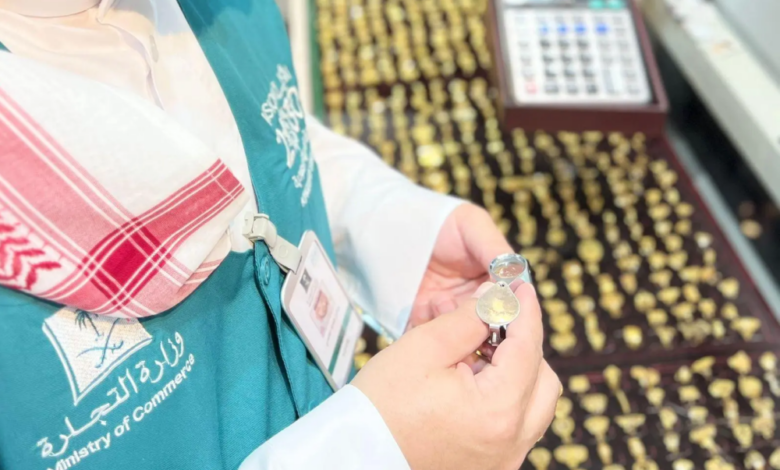
- محال بيع الذهب والمجوهرات للتأكد من نظامية المعايير والأوزان.
وتهدف هذه الجولات بشكل أساسي إلى التحقق من الوفرة العالية للسلع الأساسية، والمنتجات الغذائية والاستهلاكية، بالإضافة إلى التأكد من وجود البدائل المناسبة. كما يتم التدقيق بصرامة على وضوح الأسعار، وصحة التخفيضات والعروض التجارية، لضمان عدم تعرض الحجاج لأي عمليات استغلال أو غش تجاري.
السياق التاريخي والالتزام المستدام بخدمة الحجاج
تاريخياً، تولي المملكة العربية السعودية اهتماماً بالغاً وعناية فائقة بخدمة الحجاج والمعتمرين، وهو ما يمثل ركيزة أساسية في سياساتها منذ تأسيسها. ومع إطلاق رؤية المملكة 2030، وبرنامج “خدمة ضيوف الرحمن”، تضاعفت الجهود المؤسسية للارتقاء بجودة الخدمات المقدمة. وتعتبر وزارة التجارة أحد الأعمدة الرئيسية في هذا النظام المتكامل، حيث تعمل سنوياً على تحديث خططها الرقابية بناءً على البيانات والدروس المستفادة من المواسم السابقة، مما يعكس تطوراً ملحوظاً في إدارة الحشود وتأمين احتياجاتهم اللوجستية والتجارية بكفاءة عالية.
التأثير المتوقع للأعمال الرقابية (محلياً ودولياً)
تحمل هذه الإجراءات الصارمة أهمية كبرى وتأثيراً متعدد الأبعاد. على الصعيد المحلي، تساهم هذه الجولات في حماية الاقتصاد الوطني من الممارسات التجارية غير المشروعة، وتعزز من مبدأ المنافسة العادلة بين التجار، مما ينعكس إيجاباً على جودة المعروض. أما على الصعيدين الإقليمي والدولي، فإن هذه الشفافية والرقابة الصارمة تبعث برسائل طمأنينة لملايين المسلمين حول العالم، مؤكدة أن المملكة تسخر كافة إمكاناتها البشرية والمادية لضمان أداء مناسك الحج في بيئة آمنة، مستقرة، وخالية من أي منغصات استهلاكية.
استمرارية العمل والرقابة الصارمة
في ختام تقريرها، شددت وزارة التجارة على أن هذه الجولات الاستباقية ليست سوى البداية، مؤكدة استمرار جولاتها الرقابية المكثفة على مدار الساعة خلال الفترة المقبلة وطوال أيام مناسك الحج. وتهدف الوزارة من خلال هذا التواجد الميداني المستمر إلى ضمان التزام كافة المنشآت التجارية بالأنظمة والتعليمات، وتقديم المنتجات والخدمات بأعلى معايير الجودة لتلبية كافة احتياجات ضيوف الرحمن، مما يجسد حرص القيادة الرشيدة على تيسير رحلة الحج وجعلها تجربة إيمانية ميسرة وآمنة.