
انطلاق الموسم الرابع من مسابقة فرسان التعليم
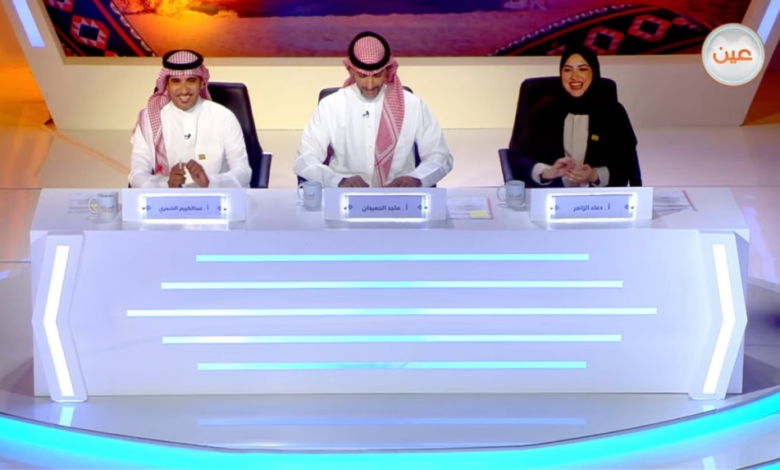
في خطوة تعكس التزام المملكة العربية السعودية بتطوير المنظومة التعليمية، أطلقت وزارة التعليم النسخة الرابعة من برنامجها التلفزيوني التنافسي الرائد «فرسان التعليم» للموسم الحالي 2026م. يأتي هذا الإطلاق استكمالاً للنجاحات الكبيرة التي حققها البرنامج في مواسمه الثلاثة الماضية، حيث يهدف بشكل رئيسي إلى إعداد مواطن منافس عالمياً، وتحفيز التحصيل العلمي والمعرفي لدى الطلاب والطالبات في مختلف المراحل الدراسية.
السياق العام وأهمية الحدث محلياً وإقليمياً
تاريخياً، لطالما اهتمت المملكة بالمسابقات الثقافية والتعليمية كأداة فعالة لاكتشاف المواهب وتنمية القدرات. ويبرز برنامج «فرسان التعليم» كواحد من أهم المبادرات الحديثة التي تترجم مستهدفات برنامج تنمية القدرات البشرية، أحد برامج تحقيق رؤية السعودية 2030. وتكمن أهمية هذا الحدث محلياً في خلق حراك ثقافي وعلمي بين مختلف الإدارات التعليمية، بينما إقليمياً، يقدم البرنامج نموذجاً يحتذى به في الإعلام التربوي الهادف الذي يدمج بين الترفيه والتعليم (Edutainment) بأسلوب عصري يجذب الأجيال الجديدة.
ويستند البرنامج في جوهره إلى تعزيز قيم الانتماء الوطني، والتعريف بتراث المملكة وتاريخها العريق عبر أساليب ابتكارية حديثة، مما يساهم في بناء شخصية الطالب المتكاملة المعتزة بهويتها والمواكبة لتطورات العصر.
تفاصيل المشاركة والفرق المتنافسة
شهدت أولى المواجهات المباشرة في هذا الموسم تنافساً مثيراً بين إدارتي تعليم عسير وجازان، لتكون شارة البدء لسلسلة من التنافس الثقافي والتربوي. يشارك في هذا المحفل الثقافي الكبير 16 إدارة تعليمية، تمثل نخبة من المبدعين والمبدعات من مختلف مناطق المملكة، وتشمل: المدينة المنورة، حائل، الرياض، الحدود الشمالية، جدة، الجوف، الطائف، القصيم، الأحساء، الباحة، مكة المكرمة، نجران، المنطقة الشرقية، وتبوك.
ويبلغ إجمالي عدد المشاركين 96 طالباً وطالبة، حيث يتكون كل فريق من 6 متسابقين (3 من البنين و3 من البنات)، مما يعكس حرص الوزارة على تكافؤ الفرص وتعزيز العمل الجماعي المشترك. سيخوض هؤلاء المتنافسون غمار التحدي عبر 15 حلقة تلفزيونية مباشرة.
جولات تنافسية بأسماء معالم وطنية
لتعزيز الارتباط بالهوية الوطنية والمشاريع الكبرى، تم تصميم جولات المسابقة بأسماء تعكس رؤية المملكة وتراثها، وتتنوع لتشمل:
- جولة «القدية»: تعتمد على سرعة البديهة والتركيز العالي، حيث يتنافس الفريقان للإجابة على أسئلة تظهر على شاشة أرضية تفاعلية.
- جولة «رؤيتنا»: تتضمن ثمانية مسارات معرفية شاملة تغطي: اللغة العربية، العلوم، الرياضيات، التقنية الرقمية، التاريخ، الثقافة الإسلامية، والمبادئ المجتمعية.
- جولة «العلا»: تعتمد على استراتيجية ترشيح فارس من الفريق لمواجهة نظيره في «سؤال المزايدة»، وتتضمن أربعة أنماط: الحروف، المزايدة العلنية، وترتيب العناصر.
- تحدي الـ 120 ثانية: جولة حاسمة تختبر قدرة الطلاب على استحضار المعلومات الدقيقة والصحيحة تحت ضغط زمني قياسي.
- جولة «مملكتنا»: تختتم بها المواجهة، وتهدف إلى ترتيب صور مبعثرة بنظام «البازل» لمعالم المملكة العريقة خلال وقت محدد، مما يعزز المعرفة الجغرافية والتاريخية.
في الختام، يجسد برنامج «فرسان التعليم» رؤية وزارة التعليم في خلق بيئة تنافسية تربوية رائدة، تقدم المحتوى التعليمي بأسلوب مشوق يتناسب مع تطلعات الجيل الجديد، ويسهم في بناء جيل واعٍ ومثقف قادر على قيادة مستقبل الوطن.