The Ministry of Education is enhancing school empowerment with 20 workshops in Mecca

In a strategic move aimed at transforming the public education system, the Ministry of Education has developed a new roadmap to enhance the concept of "school empowerment" and provide educational institutions with the necessary tools for sustainability. This was achieved through an intensive academic initiative that included the presentation of 12 specialized working papers and the holding of 20 high-quality training workshops, which discussed in depth the mechanisms for transforming schools into independent and innovative institutions capable of leading self-development processes with high efficiency.
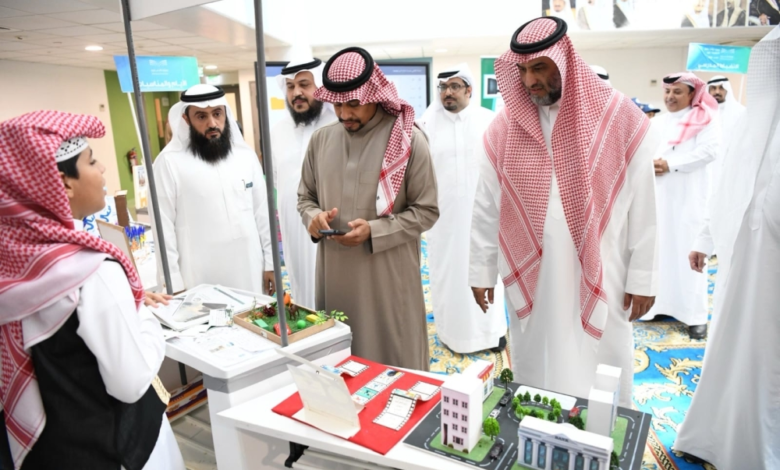
This announcement came during the opening of the “Our Schools and the Sustainability of Excellence 2026” forum by the Deputy Minister of Education for Public Education, Dr. Hassan Khurami, which was organized by the General Directorate of Education in the Makkah Region, in the presence of the Director General of Education in the region, Abdullah Al-Ghannam, and a group of educational leaders and decision-makers in the educational field.
The context of the transformation and the objectives of the vision
This trend is not a fleeting event, but rather part of a historical context connected to the Kingdom's efforts to develop the education sector in line with the objectives of Vision 2030, specifically the Human Capital Development Program. Since the launch of the Vision, the Ministry has sought to move from absolute centralization to granting broader powers to schools, based on the belief that the school is the nucleus of genuine change. The focus on "school empowerment" reflects a shift in administrative philosophy towards "guided decentralization," where schools are given the trust and tools to make their own technical and administrative decisions in accordance with their environment and the needs of their students.
Interactive workshops and vital areas
The forum successfully transformed discussion halls into interactive workshops targeting school principals and educational supervisors. The scholarly papers and training workshops focused on deconstructing the concept of "school empowerment" and applying it across six vital areas that form the core of the educational process: school administration, teaching and learning, learning outcomes, the school environment, values promotion, and a framework for improving teaching.
Dr. Al-Khuraimi stressed that this training and knowledge momentum does not only aim to review modern educational theories, but also seeks to enable schools to actually possess self-assessment tools, transfer successful experiences between schools, and promote a culture of continuous improvement, in order to ensure that excellence is a sustainable and established state and not just a temporary surge.
Expected impact: From local to global competitiveness
This event is of paramount importance given its anticipated impact on several levels. Locally, empowering schools will foster a positive competitive environment that enhances the quality of educational outputs and improves learning outcomes, directly impacting students' academic achievement. Regionally and internationally, this approach reinforces the Kingdom's position as a leading model in education reform, as school autonomy and empowerment are among the most important global standards for measuring the quality of education systems, thus contributing to raising the Kingdom's ranking in international benchmark assessments.
Strategic choice and field visits
The Undersecretary emphasized that empowering schools is a strategic choice adopted by the Ministry, with the support of the wise leadership and the follow-up of the Minister of Education, to enhance school autonomy in developing their programs and improve the efficiency of their administrative and technical operations. In the context of bridging theory and practice, Dr. Khurami conducted field visits to several schools in Makkah, where he observed real-world practices and met with educational leaders to discuss ways to translate the outcomes of these workshops and research papers into tangible results within classrooms.
The forum concluded with a broad consensus among attendees that the mechanisms discussed through the training platforms represent the cornerstone for the next phase, where schools are expected to play a pivotal and more independent role in creating excellence and raising learning outcomes to serve the future of coming generations.