Mladenov is leading a movement to form a committee to manage Gaza and end the crisis

Diplomatic circles are witnessing intense and unprecedented activity led by the UN Special Coordinator for the Middle East Peace Process, Nikolay Mladenov, through a series of shuttle visits between Tel Aviv and Ramallah. These efforts aim primarily to finalize and expedite the announcement of the formation of a "Gaza Management Committee," a move seen as a potential lifeline for the dire situation in the Gaza Strip.
Context of diplomatic moves and political background
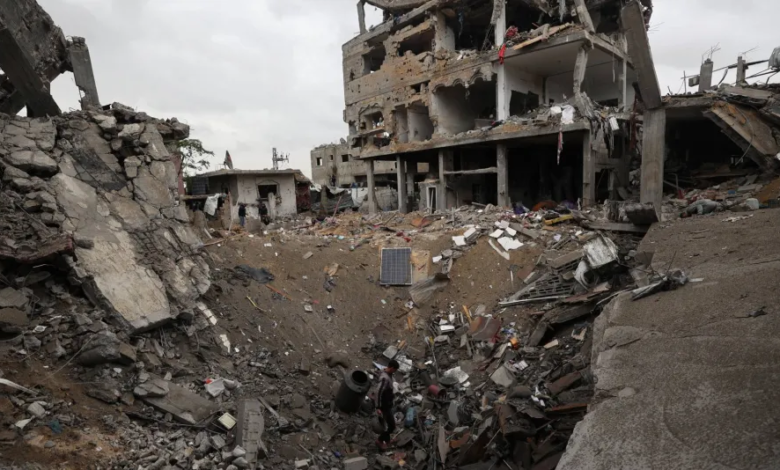
These UN efforts come at a time when the Gaza Strip is suffering from a severe humanitarian and economic crisis, exacerbated by the years-long blockade and the internal Palestinian division that began in 2007. Through Mladenov, the UN seeks to find a consensus formula that would allow for the management of daily life and services for the Strip's residents, independent of the direct political rivalries between Fatah and Hamas. The committee's concept is based on forming a professional or technocratic administrative body that enjoys the acceptance of the Palestinian Authority, Israeli approval, and the tacit consent of the influential forces in Gaza, to ensure the flow of aid and the implementation of international projects.
Objectives and motivations behind the formation of the committee
In his discussions with Israeli officials and the Palestinian Authority leadership in Ramallah, Mladenov is focusing on the need to overcome the obstacles that have thwarted previous reconciliation agreements. The proposed committee would assume specific responsibilities, including managing border crossings, overseeing the electricity and health sectors, and coordinating the flow of donor funds for reconstruction. This step is considered essential to reassure the international community and donor countries that the funds will be allocated to genuine development and humanitarian projects, thereby encouraging new investments that will help reduce the record-high rates of unemployment and poverty in the Gaza Strip.
Regional and international dimensions of the event
The significance of these moves extends beyond the Palestinian domestic sphere to encompass regional and international dimensions. Regionally, Egypt supports these efforts as part of its historical role in mediation and maintaining calm, given that stability in Gaza is viewed as integral to Egyptian national security. Internationally, Mladenov's success in forming this committee could pave the way for a lasting truce that prevents renewed military confrontations, a goal sought by international powers to avoid further instability in the Middle East. Expediting the formation of this committee could be the first step toward breaking the current political deadlock and opening a window of hope for improving the living conditions of more than two million Palestinians residing in the Gaza Strip.