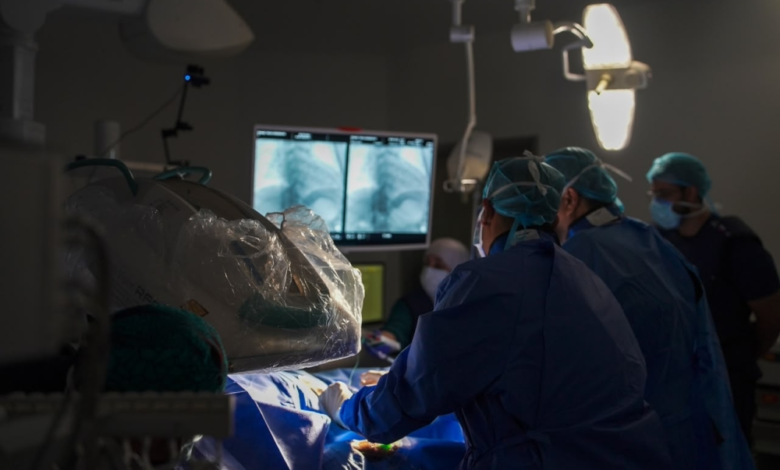

في تجسيد لافت للجاهزية الطبية الفائقة التي توفرها المملكة العربية السعودية لضيوف الرحمن، نجح فريق طبي متخصص في مدينة الملك عبدالله الطبية بمكة المكرمة، عضو تجمع مكة المكرمة الصحي، في إنقاذ حياة حاج من الجنسية الليبية تعرض لجلطة قلبية حادة أثناء وجوده في المنطقة المركزية للحرم المكي الشريف. وما جعل هذا التدخل استثنائياً هو الزمن القياسي الذي استغرقه، حيث لم يتجاوز 9 دقائق من وصول المريض إلى فتح الشريان المسدود، في سباق حقيقي مع الزمن لإنقاذ عضلة القلب.
خلفية الرعاية الصحية المتكاملة في الحج
لا تأتي هذه الحادثة من فراغ، بل هي نتاج عقود من الاستثمار والتخطيط الاستراتيجي من قبل حكومة المملكة لضمان سلامة وصحة حجاج بيت الله الحرام. تاريخياً، تطورت الخدمات الطبية المقدمة للحجاج من عيادات متنقلة بسيطة إلى منظومة صحية متكاملة تضم شبكة واسعة من المستشفيات والمراكز الصحية الموسمية المجهزة بأحدث التقنيات الطبية والكوادر البشرية المؤهلة. وتعمل وزارة الصحة السعودية سنوياً على تفعيل خطط تشغيلية دقيقة، تشمل نشر فرق طبية ميدانية وسيارات إسعاف متطورة ومستشفيات متنقلة لضمان الوصول إلى أي حالة طارئة في أسرع وقت ممكن، خاصة في المناطق المزدحمة كالحرم المكي والمشاعر المقدسة، وتقدم جميع هذه الخدمات مجاناً لكافة الحجاج.
أهمية تقنية القسطرة المتنقلة
بدأت القصة عندما شعر الحاج بأعراض الجلطة القلبية، وتم نقله على الفور إلى مستشفى طوارئ الحرم. هناك، قام الفريق الطبي بالتشخيص السريع وتفعيل “الخط الساخن” المخصص لحالات الجلطات القلبية مع مدينة الملك عبدالله الطبية. وهنا برزت أهمية الابتكار التكنولوجي، حيث تم توجيه المريض مباشرة إلى وحدة القسطرة القلبية المتنقلة الموجودة في مستشفى الطوارئ. هذه الوحدة تعد حلاً ثورياً للتغلب على التحديات اللوجستية في نقل الحالات الحرجة عبر الحشود، حيث تقرب الخدمة التخصصية الدقيقة من المريض بدلاً من نقل المريض إليها، مما يختصر “الوقت الذهبي” الحاسم في إنقاذ حياة مرضى الجلطات القلبية.
تفاصيل التدخل الطبي الناجح
فور وصول الحاج إلى وحدة القسطرة المتنقلة، باشر الفريق الطبي المتخصص إجراء عملية قسطرة علاجية عاجلة. وفي غضون 9 دقائق فقط، تمكن الفريق من فتح الشريان التاجي الرئيسي المسؤول عن الجلطة وإعادة تدفق الدم بنجاح. ولم يكتف الفريق بذلك، بل قام أيضاً بمعالجة تضيق حرج آخر في شريان فرعي بلغت نسبته 90%، مما جنب المريض مخاطر مستقبلية. وبفضل الله، ثم سرعة الاستجابة وكفاءة الكوادر الطبية، استقرت حالة الحاج الصحية وغادر المستشفى بعد فترة وجيزة من المتابعة الطبية، ليعود لإكمال مناسك حجه بصحة وعافية.
التأثير والأبعاد الإنسانية
يعكس هذا النجاح الطبي المستوى المتقدم الذي وصلت إليه المنظومة الصحية السعودية والتكامل الفعال بين منشآتها. على الصعيد المحلي، يؤكد هذا الإنجاز على كفاءة الكوادر الوطنية وقدرتها على التعامل مع أعقد الحالات الطبية في أصعب الظروف. أما على الصعيد الدولي، فإنه يبعث برسالة طمأنة قوية لملايين المسلمين حول العالم، مفادها أن رحلتهم الإيمانية إلى الأراضي المقدسة محفوفة بأعلى مستويات الرعاية والأمان. إن إنقاذ حياة حاج وتمكينه من إتمام ركن الإسلام الخامس يمثل جوهر الرسالة الإنسانية التي تضطلع بها المملكة في خدمة ضيوف الرحمن.