
Introduction to humanitarian situations and relief intervention
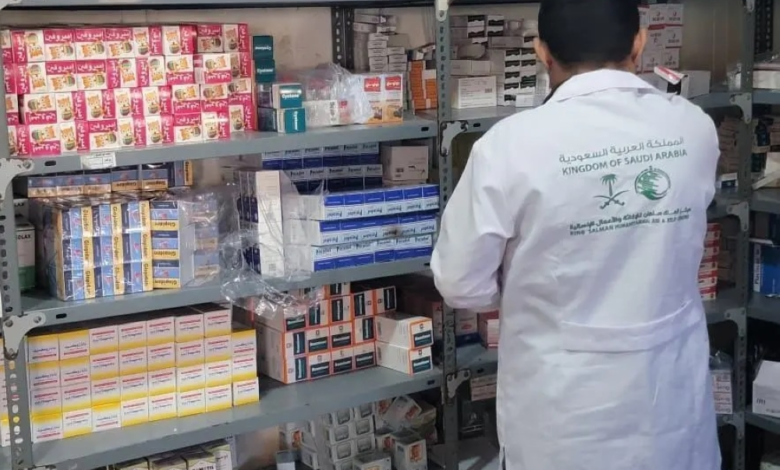
The humanitarian crisis in Yemen is considered one of the worst in the world, according to reports from the United Nations and international organizations. The health sector is suffering from a severe decline and a critical shortage of essential medical supplies and qualified personnel. In this complex historical and humanitarian context, the importance of urgent and sustained relief interventions to save lives is paramount. Continuing these vital efforts, mobile medical and nutritional clinics in Al-Khawkhah District, Al-Hudaydah Governorate, continue to provide curative and preventative services to thousands of beneficiaries, thanks to the generous and ongoing support of the King Salman Humanitarian Aid and Relief Centre, which plays a pivotal role in alleviating the suffering of the Yemeni people.
Statistics and achievements of mobile clinics in Al-Khokha
From February 11 to 17, mobile medical clinics provided comprehensive healthcare to 4,503 displaced persons and members of the host community in Al-Khawkhah District. Services covered a range of vital medical specialties to meet the growing needs. The internal medicine clinic treated 957 patients, while the emergency clinic handled 674 critical and urgent cases requiring immediate intervention. The pediatric clinic provided services to 295 children. The epidemiology clinic played a crucial role in combating infectious diseases prevalent in displacement settings, treating 389 patients. Additionally, 33 individuals benefited from the services of the mobile team's clinic.
Specialized care and accompanying services
The services were not limited to initial examinations but extended to include important specialized departments. The reproductive health department reviewed 315 cases, and the therapeutic nutrition department provided services to 62 individuals suffering from malnutrition, a significant challenge facing the population in the affected areas. The immunization department received 62 individuals, the obstetrics department treated 21 women, and the surgery and dressing clinic treated 220 individuals. To promote health and preventative awareness, the education and awareness department provided guidance to 1,469 individuals, and 6 individuals were referred for further medical treatment at specialized centers.
Regarding the ancillary services that support medical work and ensure accurate diagnoses, the laboratory department conducted tests for 1,462 individuals, and free medications were dispensed to 2,654 patients. The healthcare department also attended to 2,042 cases, provided blood transfusions to 17 beneficiaries, and performed electrocardiograms for 7 patients, reflecting the comprehensiveness and integration of the medical care provided.
Local, regional, and international dimensions and impacts
At the local level, the presence of these clinics in the coastal governorate of Hodeidah, specifically in Al-Khawkhah, which hosts large numbers of displaced people fleeing conflict zones, represents a true lifeline, alleviating the immense pressure on the limited number of hospitals and health centers operating in the area. Regionally, this support underscores the Kingdom of Saudi Arabia's commitment, through its humanitarian arms, to supporting neighboring countries and actively contributing to the stability of regional health security and preventing its collapse. Internationally, these relief initiatives align with the United Nations Sustainable Development Goals and global efforts aimed at curbing the spread of epidemics and reducing mortality rates resulting from a lack of medical care, thus highlighting the positive humanitarian aspect of relief efforts in conflict and crisis zones.