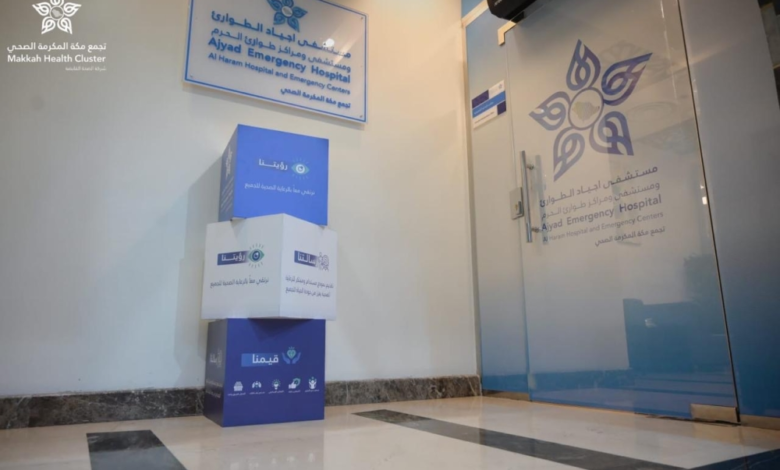

في إنجاز طبي يعكس التطور الكبير في منظومة الرعاية الصحية بالمملكة العربية السعودية، نجحت وحدة السكتات الدماغية المتنقلة بمستشفى طوارئ الحرم، التابع لتجمع مكة المكرمة الصحي، في التعامل باحترافية وكفاءة عالية مع 12 حالة سكتة دماغية بين قاصدي بيت الله الحرام. وقد تحقق هذا الإنجاز خلال 6 أيام فقط من تفعيل الوحدة في المنطقة المركزية، وذلك ضمن منظومة طبية متقدمة تهدف إلى سرعة التشخيص والتدخل العلاجي الفوري لضيوف الرحمن.
السياق العام: تحديات الرعاية الصحية في طب الحشود
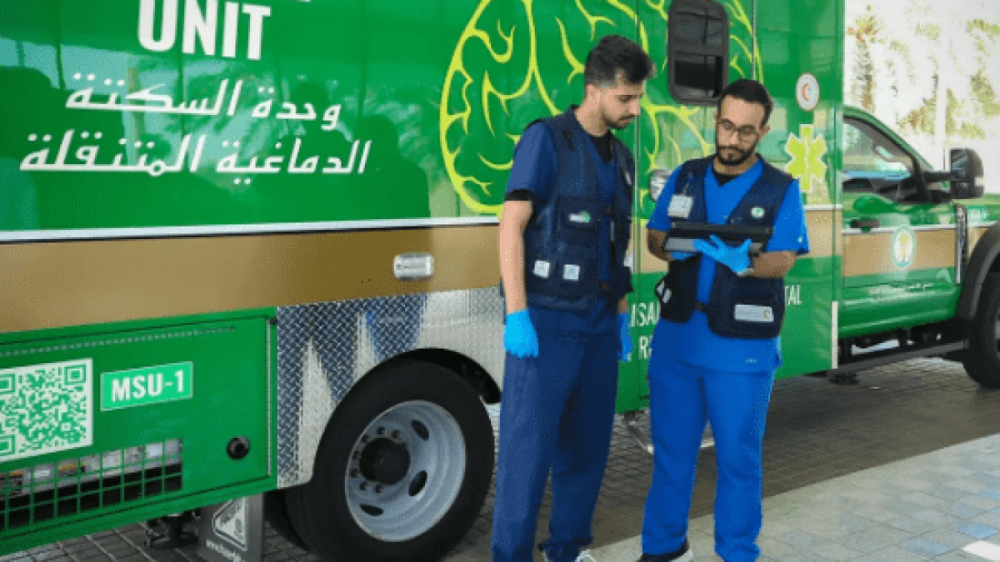
تاريخياً، تولي حكومة المملكة العربية السعودية اهتماماً استثنائياً بصحة وسلامة الحجاج والمعتمرين. ومع تزايد أعداد قاصدي المسجد الحرام، برزت الحاجة إلى تطوير تخصص “طب الحشود”، وهو مجال أثبتت فيه المملكة ريادتها العالمية. وتعتبر السكتات الدماغية من الحالات الطبية الطارئة التي تتطلب تدخلاً في وقت قياسي لإنقاذ حياة المريض وتقليل المضاعفات. ومن هنا جاءت فكرة تأسيس وحدة السكتات الدماغية المتنقلة، وهي عبارة عن سيارة إسعاف متطورة تعمل كمستشفى مصغر، مجهزة بأحدث أجهزة الأشعة المقطعية وتقنيات التطبيب عن بعد، مما يسمح بتشخيص المريض وبدء العلاج قبل الوصول إلى المستشفى.
تفاصيل التدخل الطبي السريع لإنقاذ ضيوف الرحمن
أوضح تجمع مكة المكرمة الصحي أن الفرق الطبية السعودية المتخصصة داخل العربة تعاملت بكفاءة عالية مع الحالات الـ 12. وقد تم تصنيف 4 حالات على أنها الأكثر خطورة، حيث احتاجت إلى تدخل طبي دقيق وعاجل. كشفت الفحوصات السريعة داخل الوحدة المتنقلة عن وجود حالتي نزيف دماغي، مما استدعى التحويل الفوري لمدينة الملك عبدالله الطبية لتلقي التدخل التخصصي السريع. في المقابل، تمكن الفريق الطبي من إنقاذ حالتين أخريين عبر إعطائهما مذيبات الجلطات الدماغية في “الوقت الذهبي”، مما ساهم بشكل مباشر في رفع فرص التعافي الكامل وتقليل المضاعفات الحادة التي قد تؤدي إلى إعاقة دائمة.
بروتوكولات علاجية متقدمة وأهمية الوقت الذهبي
إلى جانب الحالات الحرجة، أضاف التجمع الصحي أنه جرى التعامل أيضاً مع 8 حالات أخرى بنجاح تام عبر تطبيق البروتوكولات العلاجية المتقدمة والمذيبات الدوائية. طبياً، يُعرف “الوقت الذهبي” بأنه الساعات الأولى التي تعقب ظهور أعراض السكتة، حيث يكون التدخل الدوائي أكثر فعالية في إنقاذ أنسجة الدماغ. إن توفر هذه التقنية وسط جاهزية ميدانية عالية من الكوادر الطبية يعكس مستوى الاستعداد الصحي الفائق لخدمة ضيوف الرحمن وتقديم الرعاية العاجلة بأعلى معايير الجودة والسلامة العالمية.
التأثير المحلي والدولي لرعاية ضيوف الرحمن
على الصعيد المحلي، يتماشى هذا الإنجاز مع مستهدفات برنامج تحول القطاع الصحي ورؤية المملكة 2030، التي تهدف إلى تسهيل الحصول على الخدمات الصحية وتحسين جودتها. أما على الصعيدين الإقليمي والدولي، فإن تقديم هذه الرعاية المتقدمة والمجانية لضيوف الرحمن من مختلف الجنسيات يؤكد للعالم أجمع قدرة المملكة الفائقة على إدارة الأزمات الصحية في أكبر التجمعات البشرية على وجه الأرض، مما يعزز من مكانتها كنموذج عالمي يحتذى به في الرعاية الصحية الميدانية.