
Introduction to the talks between Mohammed bin Salman and Al-Sudani
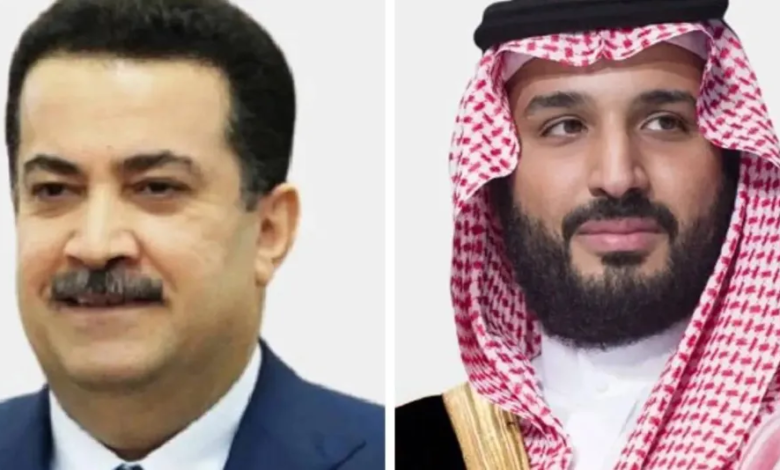
As part of ongoing efforts to enhance stability and security in the Middle East, the talks between Saudi Crown Prince Mohammed bin Salman and Iraqi Prime Minister Mohammed Shia al-Sudani represent a significant milestone in the bilateral relations between the two brotherly nations. These meetings and continuous communication address a range of regional and international developments, underscoring the commitment of both leaderships to coordinating positions and unifying visions on issues of mutual concern, in a way that serves the interests of both peoples and supports peace efforts in the region.
Historical context and development of Saudi-Iraqi relations
Relations between the Kingdom of Saudi Arabia and the Republic of Iraq have witnessed remarkable and strategic development over the past few years, overcoming periods of tension and stagnation. This rapprochement culminated in the establishment of the Saudi-Iraqi Coordination Council in 2017, which formed a comprehensive institutional framework to enhance cooperation in various political, economic, and security fields. The reopening of the Arar border crossing between the two countries also represented a historic step that contributed to revitalizing trade and facilitating the movement of pilgrims. The talks between Mohammed bin Salman and Al-Sudani today build upon this positive legacy and seek to broaden the horizons of the strategic partnership to include new vital sectors that fulfill the aspirations of both countries.
The importance of the event and its impact on regional developments
The discussions between Prince Mohammed bin Salman and the Sudanese leader are of paramount importance given the complex geopolitical circumstances in the Middle East. Saudi Arabia, with its political, economic, and religious weight, and Iraq, with its strategic geographic location and rich history, represent two fundamental pillars of Arab national security.
At the regional level, joint coordination contributes to de-escalation and finding peaceful solutions to successive crises. Iraq has played a pivotal role in hosting rounds of regional dialogue, reflecting mutual trust. These discussions strengthen Arab and Islamic solidarity in confronting common challenges, including combating terrorism, securing maritime navigation, and ensuring the stability of global energy markets.
Economic dimensions and strategic partnership
The talks between Mohammed bin Salman and Al-Sudani were not limited to political and security matters, but also extended to promising economic and investment opportunities. The Kingdom announced significant investments in Iraq through the Public Investment Fund, targeting infrastructure, mining, agriculture, and real estate development. Furthermore, the electricity interconnection project between Saudi Arabia, Iraq, and the Gulf states is a key strategic project reflecting the depth of economic integration, which will contribute to meeting Iraq's energy needs and stimulating economic growth.
Expected impact locally and internationally
At the local level, this close cooperation positively impacts domestic development in both countries by creating new job opportunities, transferring technology, and developing infrastructure. Internationally, the convergence of visions between Riyadh and Baghdad sends reassuring messages to the international community regarding the stability of one of the world's most strategically important regions. The commitment of both leaderships to fostering dialogue and cooperation solidifies their positions as active and influential forces in shaping a more secure and prosperous future for the Middle East and the world at large.