
مقدمة: شراكة استراتيجية في أوقات حاسمة
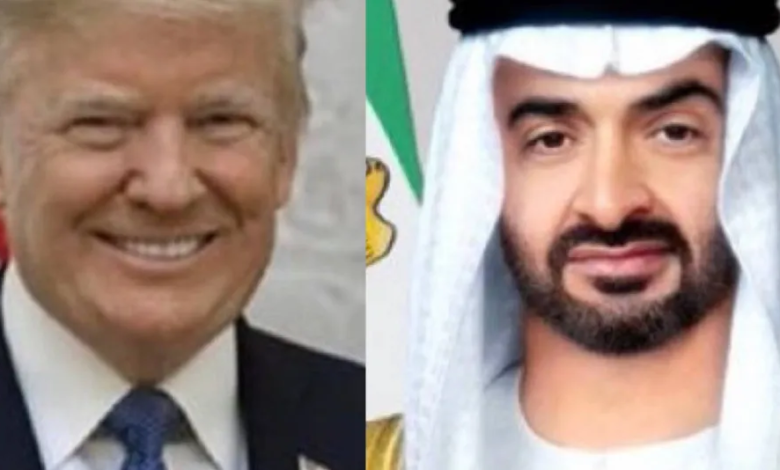
في ظل التطورات المتسارعة والتحولات العميقة التي يشهدها العالم، تبرز أهمية اللقاءات والمباحثات بين قادة الدول المؤثرة لضمان الاستقرار الدولي. وفي هذا السياق، تأتي مباحثات الشيخ محمد بن زايد آل نهيان، رئيس دولة الإمارات العربية المتحدة، ودونالد ترمب، لتعكس عمق الشراكة الاستراتيجية بين البلدين. تركزت هذه النقاشات حول أحدث تطورات المنطقة وتداعياتها المباشرة على الأمن العالمي، مما يؤكد الدور المحوري الذي تلعبه دولة الإمارات في تعزيز الاستقرار الإقليمي والدولي بالتعاون الوثيق مع الولايات المتحدة الأمريكية.
الخلفية التاريخية للعلاقات الإماراتية الأمريكية
تستند العلاقات بين دولة الإمارات والولايات المتحدة إلى تاريخ طويل من التعاون الاستراتيجي الذي يمتد لعقود. لطالما كانت الإمارات حليفاً رئيسياً وموثوقاً لواشنطن في منطقة الشرق الأوسط، حيث شمل التعاون المشترك مجالات متعددة وحيوية أبرزها الأمن، الدفاع، مكافحة الإرهاب، والتنمية الاقتصادية. وخلال فترة الرئاسة الأولى لدونالد ترمب، شهدت العلاقات الثنائية قفزة نوعية تاريخية توجت بتوقيع “الاتفاقيات الإبراهيمية” للسلام، والتي أسست لمرحلة جديدة كلياً من الاستقرار والتعاون الدبلوماسي والاقتصادي في المنطقة. هذا الإرث الدبلوماسي القوي يجعل من أي تواصل بين محمد بن زايد وترمب ذا أهمية بالغة، حيث يُبنى على أسس صلبة من الثقة المتبادلة والنجاحات السياسية السابقة التي غيرت وجه المنطقة.
أهمية المباحثات في ظل التوترات الإقليمية الحالية
تأتي مباحثات محمد بن زايد وترمب في توقيت حساس للغاية، حيث تمر منطقة الشرق الأوسط بتحديات أمنية وسياسية معقدة وغير مسبوقة. تتطلب هذه التحديات تنسيقاً عالي المستوى بين القوى الإقليمية والدولية لمنع التصعيد وتوسيع رقعة الصراع. تلعب دولة الإمارات دوراً ريادياً في الدعوة إلى التهدئة، وتغليب لغة الحوار والدبلوماسية، وتقديم المساعدات الإنسانية العاجلة للمتضررين من النزاعات. من خلال التنسيق المستمر مع الإدارة الأمريكية، تسعى الإمارات إلى صياغة رؤية مشتركة تهدف إلى خفض التوترات، سواء في مناطق النزاع المباشرة أو فيما يتعلق بتأمين الملاحة البحرية في البحر الأحمر والخليج العربي، وهي ملفات تعتبر حيوية لاستقرار المنطقة بأسرها وتتطلب تضافر الجهود الدولية.
التداعيات على الأمن العالمي والاقتصاد الدولي
لا يقتصر تأثير تطورات الشرق الأوسط على النطاق الإقليمي فحسب، بل يمتد بقوة ليشمل الأمن العالمي والاقتصاد الدولي. إن استقرار المنطقة يعد ركيزة أساسية لضمان أمن إمدادات الطاقة العالمية، حيث يمر جزء كبير من النفط والغاز عبر الممرات المائية الإقليمية الحيوية. بالإضافة إلى ذلك، فإن تأمين طرق التجارة العالمية يمنع حدوث أزمات في سلاسل الإمداد التي قد تؤدي إلى تداعيات تضخمية تضر بالاقتصاد العالمي وتؤثر على حياة الشعوب. لذلك، فإن التوافق بين الشيخ محمد بن زايد ودونالد ترمب حول ضرورة احتواء الأزمات يعكس إدراكاً عميقاً للترابط الوثيق بين الأمن الإقليمي والرخاء العالمي، وأهمية العمل المشترك لتجنيب العالم المزيد من الأزمات الاقتصادية والأمنية.
آفاق التعاون المستقبلي بين الإمارات والولايات المتحدة
بالنظر إلى المستقبل، يتوقع الخبراء والمراقبون أن تستمر الشراكة الاستراتيجية بين الإمارات والولايات المتحدة في التطور والنمو لتشمل آفاقاً أرحب. فإلى جانب التنسيق الأمني والسياسي التقليدي، يتجه البلدان نحو تعزيز التعاون في قطاعات حيوية ومستقبلية جديدة مثل الذكاء الاصطناعي، التكنولوجيا المتقدمة، استكشاف الفضاء، بالإضافة إلى مبادرات التحول نحو الطاقة النظيفة والمستدامة. إن استمرار قنوات الاتصال الفعالة والمباحثات البناءة بين القيادتين يضمن ليس فقط مواجهة التحديات الحالية بكفاءة، بل أيضاً استثمار الفرص المستقبلية بما يحقق المصالح المشتركة للبلدين الصديقين، ويعزز من فرص السلام والتنمية والازدهار في العالم أجمع.