Jesus reveals the reasons behind clubs' preference over the Saudi national team

Jesus's shocking surprise regarding coaching the Saudi national team
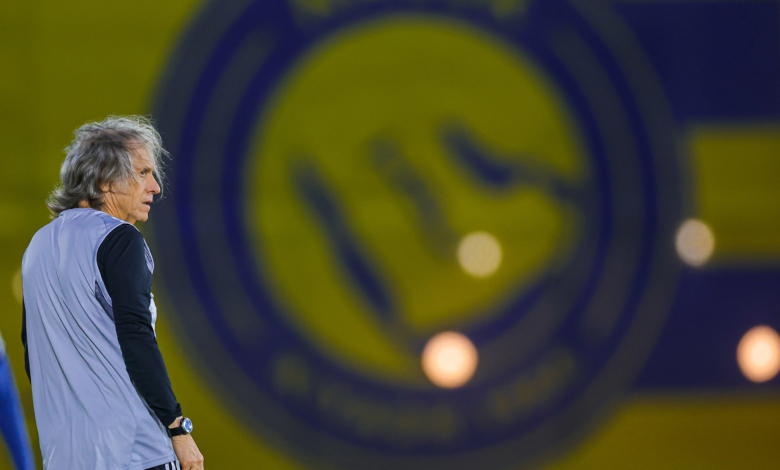
In statements that sparked widespread reaction in sporting circles, veteran coach Jorge Jesus revealed intriguing details about his coaching career in Saudi Arabia. During a press conference held at the club's headquarters in preparation for their upcoming match against Al-Najma in the 27th round of the Saudi Professional League, he explained that he had previously received a formal offer to take over as head coach of the Saudi national football team. Despite the national team's considerable stature and rich history at both the continental and international levels, he opted instead to coach Al-Hilal. He emphasized that his full focus is currently on his role as coach of Al-Nassr, adding that in the world of sports, "what ifs" are irrelevant.
The development of Saudi football and the future of the national team in the World Cup
Jesus was quick to praise the remarkable development of Saudi football in recent years, coinciding with the Saudi Professional League's attraction of some of the world's brightest football stars. The coach emphasized that the passionate fan support in Saudi stadiums reflects a deeply rooted football culture. In his technical assessment, Jesus stated, "I know Saudi players very well, and they possess high technical quality that qualifies them to deliver outstanding performances." He predicted that the Saudi national team would make a respectable showing as a strong contender in the upcoming World Cup finals, based on the players' accumulated experience. However, he realistically added that the team would not be among the favorites to win the world title, a logical assessment given the technical and historical gap with the major European and Latin American teams that have dominated the tournament.
The crisis surrounding the renewal of Abdulrahman Ghareeb's contract and the financial challenges
On the domestic front, within the club's corridors, Jesus addressed sensitive issues concerning the team's roster, most notably the reasons behind the stalled contract renewal of the talented star Abdulrahman Ghareeb. The coach revealed with complete transparency that the primary obstacle was not technical, but rather stemmed from the club's current lack of sufficient funds to complete the renewal process. He added, "I officially requested his contract renewal given Al-Nassr's pressing need for his services and considerable abilities, and the matter now rests entirely with the financial department." This statement highlights the administrative and financial challenges facing clubs, as balancing expenses requires meticulous precision to ensure financial stability and adherence to the financial efficiency standards adopted in the Saudi League.
Key absences and preparations for the upcoming season
Regarding the technical preparations for the remaining rounds of the league competition, Jesus has finalized the status of Abdulmalik Al-Jaber and Sami Al-Najei. He announced their definitive exclusion from participating in the remaining matches of the current season. He explained that the technical and medical staff prefer to rest the duo and begin their physical and technical rehabilitation to ensure they are fully prepared for the start of the next season. This move reflects the coach's strategy of maintaining his players' well-being and preventing further injuries, especially in the final stages of the competition, which demand peak physical condition and proactive planning for the future.