
غموض يكتنف مكان مجتبى خامنئي وتأثيره على المفاوضات
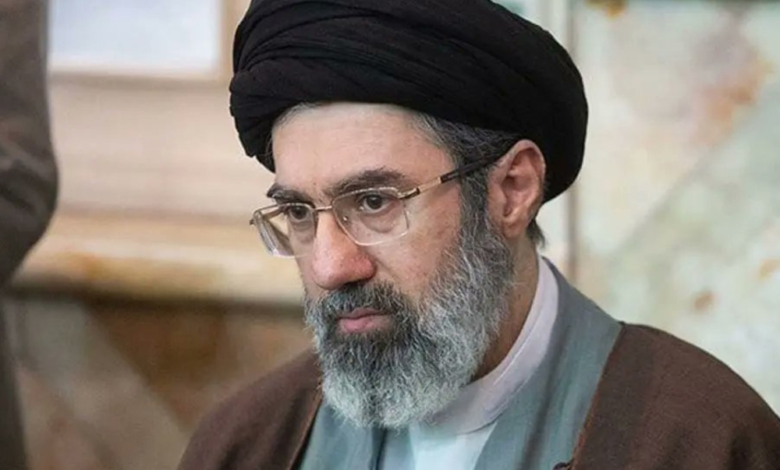
في تطور لافت قد يغير مسار الأحداث في الشرق الأوسط، كشفت تقارير الاستخبارات الأمريكية عن أزمة تواصل حادة داخل أروقة القيادة الإيرانية. ووفقاً لما نقلته شبكة “CBS” الإخبارية، فإن المرشد الإيراني ومسؤولي الحرس الثوري يواجهون تحدياً غير مسبوق يتمثل في عدم معرفة مكان مجتبى خامنئي، النجل الثاني للمرشد الأعلى علي خامنئي والشخصية ذات النفوذ الواسع في دوائر صنع القرار الإيراني. وأكدت المصادر أن كبار المفاوضين الإيرانيين يجهلون موقعه الحالي، مما أدى إلى شلل جزئي في اتخاذ القرارات الحاسمة.
تكتسب هذه الحادثة أهمية بالغة بالنظر إلى الخلفية السياسية لمجتبى خامنئي، الذي يُنظر إليه على نطاق واسع كأحد أبرز المرشحين لخلافة والده، ويمتلك روابط وثيقة وعميقة مع الحرس الثوري الإيراني وقوات الباسيج. وأشارت الاستخبارات الأمريكية إلى أن وسيلة التواصل الوحيدة المتاحة معه حالياً تتم عبر “السعاة” والمراسلات اليدوية، وهو ما يعكس مستوى عالياً من الحذر الأمني، ولكنه في الوقت ذاته يهدد بتأخير الإعلان عن أي اتفاق مرتقب بين واشنطن وطهران.
مهلة الـ 7 أيام وإعادة فتح مضيق هرمز
على الصعيد الدبلوماسي، تتسارع وتيرة الأحداث حيث نقلت شبكة “فوكس نيوز” عن مسؤول أمريكي رفيع أن طهران أبدت موافقة مبدئية على إطار تفاهم جديد. وفي ظل هذه المعطيات، من المتوقع أن يمنح الرئيس الأمريكي دونالد ترامب القيادة الإيرانية مهلة زمنية مدتها 7 أيام لصياغة مسودة اتفاق نهائي ومقبول للطرفين. وفي سياق متصل، كشفت صحيفة “نيويورك تايمز” عن بوادر للتوصل إلى اتفاق مبدئي يهدف إلى إعادة فتح مضيق هرمز وتأمين الملاحة فيه.
تاريخياً واقتصادياً، يعتبر مضيق هرمز أحد أهم الممرات المائية الاستراتيجية في العالم، حيث يمر عبره خُمس استهلاك العالم من النفط. ولذلك، فإن أي اتفاق يضمن استقرار الملاحة في هذا المضيق سيكون له تأثير إيجابي فوري على استقرار أسعار الطاقة العالمية، وسينعكس بشكل مباشر على الاقتصاد الدولي الذي عانى من تقلبات حادة بسبب التوترات الجيوسياسية في المنطقة.
تأجيل الملف النووي الإيراني: تعقيدات فنية وسياسية
في خضم هذه المفاوضات السريعة، برز تصريح حاسم لوزير الخارجية الأمريكي ماركو روبيو، الذي أكد استحالة إبرام اتفاق شامل يتضمن الملف النووي الإيراني خلال 72 ساعة. وأوضح روبيو أن التركيز الحالي للإدارة الأمريكية ينصب على إنهاء حالة الحرب والتوتر في الشرق الأوسط، مشيراً إلى أن التفاهم الأولي لن يشمل تسوية نهائية للبرنامج النووي.
ولتبرير هذا الفصل بين مسار التهدئة الإقليمية والملف النووي، صرح روبيو لصحيفة “نيويورك تايمز” بأن المحادثات النووية تتضمن تفاصيل “فنية للغاية”. وهذا يعود إلى التعقيدات التي تراكمت منذ انسحاب واشنطن من الاتفاق النووي (خطة العمل الشاملة المشتركة) في عام 2018، وما تلا ذلك من قيام طهران برفع نسب تخصيب اليورانيوم إلى مستويات متقدمة. وأكد روبيو أن واشنطن لا تتهرب من الملف، بل تدرك أنه يحتاج إلى وقت أطول لمعالجته بشكل جذري.
وشدد وزير الخارجية الأمريكي على ثبات الموقف الاستراتيجي لبلاده، والمتمثل في منع إيران من الحصول على سلاح نووي بأي شكل من الأشكال، مع تفضيل تحقيق هذا الهدف عبر القنوات الدبلوماسية. واختتم تصريحاته بالإشارة إلى وجود دعم إقليمي واسع، حيث تؤيد 7 أو 8 دول في المنطقة هذا النهج الأمريكي الجديد، مما يعزز فرص نجاح الجهود الرامية إلى إرساء استقرار طويل الأمد في الشرق الأوسط.