The truth about Iranian Supreme Leader Mojtaba Khamenei being injured in the current war

Official confirmations regarding the health of the new Iranian Supreme Leader
Amid escalating tensions and rapidly unfolding events in the region, a high-ranking Iranian official denied recent reports that Iran's new Supreme Leader, Mojtaba Khamenei, had been seriously injured in the latest military escalation. Yousef Pezeshkian, son of the Iranian president and a government advisor, confirmed in an official statement on his Telegram channel that the new leader is in good health. Pezeshkian stated in his post: "I heard the news that Mr. Mojtaba Khamenei was injured. I asked some friends with extensive networks, and they said that, thank God, he is fine." These statements are intended to calm public opinion in Iran following media reports that he was injured during direct confrontations in the ongoing conflict with Israel and the United States.
Historical background: Succession of the Supreme Leader in Iran
The question of succession to the Supreme Leader in the Islamic Republic of Iran is of paramount importance, as the Supreme Leader (Vali-e-Faqih) holds absolute power and has the final say in all domestic and foreign policies. Historically, Mojtaba Khamenei, the second son of Ali Khamenei, has emerged as one of the leading candidates to succeed his father, given his extensive influence within religious and military institutions, particularly the Islamic Revolutionary Guard Corps (IRGC). According to official reports following the announcement of the death of the previous Supreme Leader, Ali Khamenei, on the first day of the full-scale war on February 28, Mojtaba was chosen to lead the country through one of its most critical historical periods. Iranian state television broadcast extensive reports highlighting key moments in his life, describing him as a "wounded veteran of the Ramadan War," a move intended to lend revolutionary and religious legitimacy to his new leadership.
Regional and international impact of the current war
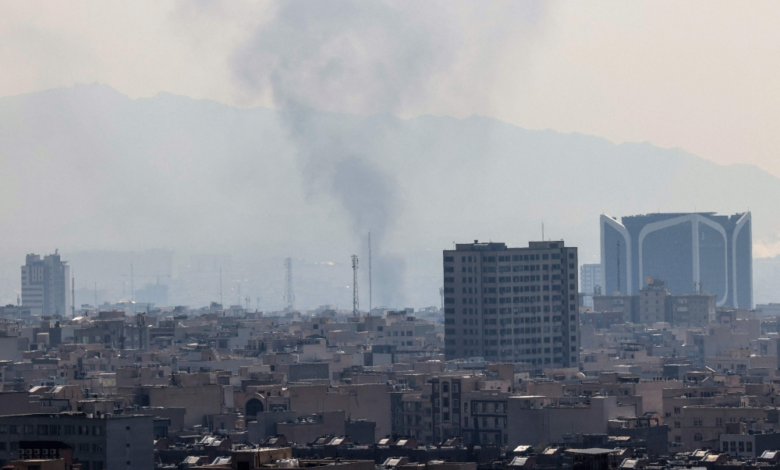
A direct military confrontation involving Iran on one side and Israel and the United States on the other would represent a radical shift in the rules of engagement that have governed the Middle East for decades. For years, Tehran has waged a proxy war through what is known as the "Axis of Resistance," but the recent developments, dubbed the "Ramadan War," threaten catastrophic consequences for regional and international security. Regionally, this conflict is leading to a full mobilization of Iran's allies in the region, threatening to expand the war to multiple fronts. Internationally, the stability of the Iranian leadership, embodied by Mojtaba Khamenei, is a crucial factor in determining the course and outcome of the war, not to mention its direct impact on global energy markets and maritime traffic in strategic straits.
The importance of leadership stability during times of crisis
By denying rumors of Mojtaba Khamenei's injury, the Iranian government seeks to maintain domestic cohesion and the morale of the armed forces. In times of war, psychological and media warfare is a weapon no less dangerous than military confrontations. Therefore, confirming the well-being of the head of the Iranian power structure sends reassuring messages to the Iranian public while simultaneously defiantly signaling to international adversaries that the command and control structure in Tehran remains intact and capable of managing the conflict. The question remains, however, as to the extent to which the new Supreme Leader can steer the country through these unprecedented geopolitical storms.