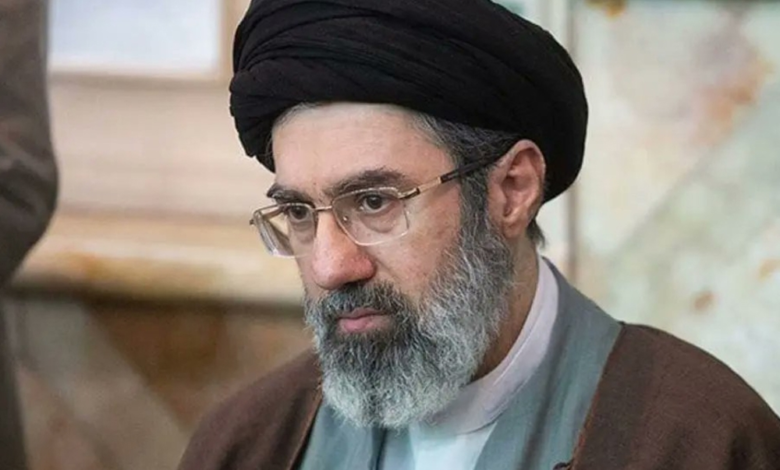

أثارت تصريحات السيناتور الأمريكي ماركو روبيو الأخيرة تساؤلات جديدة حول الديناميكيات الداخلية للسلطة في إيران، مسلطاً الضوء على الدور المتنامي الذي يلعبه مجتبى خامنئي، نجل المرشد الأعلى علي خامنئي. ففي شهادة أمام لجنة الشؤون الخارجية بمجلس الشيوخ، أعرب روبيو عن اعتقاده بأن بصمات مجتبى أصبحت أكثر وضوحاً في إدارة شؤون البلاد واتخاذ القرارات الحاسمة، مما يغذي التكهنات حول مستقبله السياسي في مرحلة ما بعد والده.
وقال روبيو: “أعتقد أن هناك مؤشرات تظهر أنه يشارك بشكل أكبر (في قيادة البلاد) على مستوى معين، رغم أن كل بياناته تصدر في شكل مكتوب وعبر أشخاص آخرين”. تشير هذه التصريحات إلى أن نفوذ مجتبى خامنئي يمارس في الغالب خلف الكواليس، بعيداً عن الأضواء، وهو ما يجعل تقييم حجمه الحقيقي أمراً معقداً للمراقبين الخارجيين.
من هو مجتبى خامنئي؟.. ظل المرشد الأعلى
يُعتبر مجتبى خامنئي، الابن الثاني للمرشد الأعلى، شخصية غامضة ومؤثرة في نفس الوقت. على عكس والده، لا يظهر مجتبى في العلن إلا نادراً، ولا يشغل أي منصب رسمي معلن. ومع ذلك، تشير تقارير عديدة إلى أنه يتمتع بنفوذ واسع داخل مكتب المرشد الأعلى (بيت رهبري) وفي أوساط الحرس الثوري الإيراني، الذي يعد القوة العسكرية والأيديولوجية الأبرز في البلاد. هذه الخلفية، بالإضافة إلى قربه من دوائر صنع القرار، جعلته على مر السنين لاعباً رئيسياً في الخارطة السياسية الإيرانية، وإن كان يعمل من الظل.
سيناريوهات الخلافة وتأثيرها على مستقبل إيران
تكتسب مسألة دور مجتبى أهمية قصوى عند الحديث عن خلافة المرشد الأعلى البالغ من العمر 85 عاماً. رسمياً، يتولى مجلس خبراء القيادة مهمة اختيار المرشد القادم، لكن الواقع يشير إلى أن التوازنات داخل المؤسسة العسكرية والأمنية والدينية تلعب الدور الحاسم. إن فكرة “التوريث” في منصب المرشد الأعلى تعتبر حساسة للغاية وتتعارض مع المبادئ التي قامت عليها الثورة الإيرانية عام 1979. ومع ذلك، فإن النفوذ المتزايد لمجتبى يطرح سيناريو الخلافة الوراثية كاحتمال واقعي، وهو ما قد يثير انقسامات داخل النخبة الحاكمة ويواجه بمعارضة شعبية.
نظرة أمريكية على دور مجتبى خامنئي المتنامي
تعكس تصريحات السيناتور روبيو اهتمام واشنطن بمراقبة التحولات في هرم السلطة الإيراني. إن فهم من يملك النفوذ الحقيقي في طهران أمر حيوي لصياغة السياسات الأمريكية تجاه الملفات الشائكة مثل البرنامج النووي الإيراني، ودور طهران الإقليمي، وشبكة وكلائها في الشرق الأوسط. إن صعود شخصية مثل مجتبى خامنئي، الذي يُعتقد أنه من التيار المحافظ المتشدد، قد يعني استمرار أو حتى تصعيد سياسات المواجهة مع الغرب، مما سيكون له تداعيات مباشرة على الاستقرار الإقليمي والدولي. ولهذا، فإن أي مؤشر على زيادة نفوذه يتم تحليله بعناية في العواصم الغربية.