
مقدمة: تصريحات حاسمة في توقيت حساس
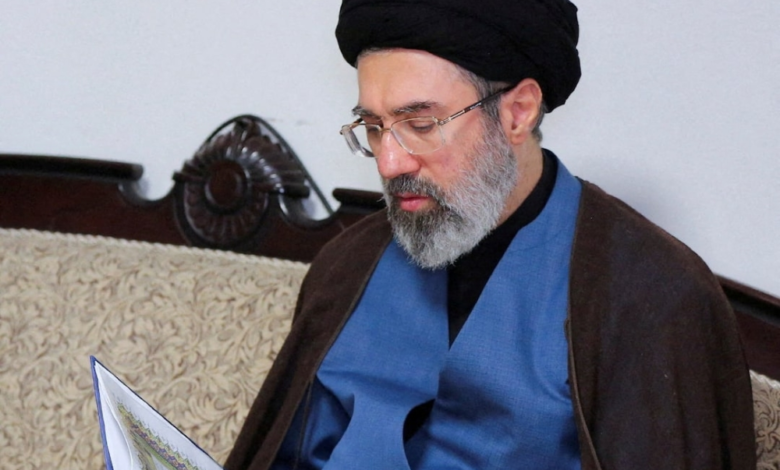
في تطور لافت يعكس تصاعد التوترات في منطقة الشرق الأوسط، أدلى مجتبى خامنئي، نجل المرشد الإيراني الأعلى، بتصريحات هامة تناول فيها مسار المواجهات الحالية مع الولايات المتحدة الأمريكية وإسرائيل. وقد نقلت قناة “الحدث” الإخبارية عبر حسابها الرسمي على منصة “إكس” بياناً منسوباً إليه، أكد فيه أن طهران تمكنت من تحقيق الانتصار في هذه الحرب المعقدة، على الرغم من الضربات والأضرار التي لحقت بها.
تفاصيل الموقف الإيراني وإدارة مضيق هرمز
أوضح مجتبى خامنئي في بيانه أن الجمهورية الإسلامية الإيرانية لا تسعى إلى إشعال حرب شاملة في المنطقة، لكنها في الوقت ذاته لن تتنازل عن حقوقها السيادية والاستراتيجية. ولعل النقطة الأكثر إثارة للاهتمام في هذا التصريح هي التلويح بورقة الاقتصاد العالمي، حيث أعلن بوضوح: “سننقل إدارة مضيق هرمز إلى مرحلة جديدة”. هذا التصريح يفتح الباب أمام العديد من التساؤلات حول طبيعة الإجراءات التي قد تتخذها طهران في أحد أهم الممرات المائية في العالم.
السياق العام والخلفية التاريخية للحدث
من هو مجتبى خامنئي؟
يُعد مجتبى خامنئي واحداً من أبرز الشخصيات المؤثرة في كواليس السياسة الإيرانية، وهو النجل الثاني للمرشد الأعلى علي خامنئي. يتمتع مجتبى بعلاقات وثيقة وقوية مع الحرس الثوري الإيراني والأجهزة الأمنية، وغالباً ما يُنظر إليه في الأوساط السياسية كأحد المرشحين المحتملين لخلافة والده. لذلك، فإن خروج تصريحات بهذا الحجم على لسانه يحمل دلالات سياسية عميقة تعكس توجهات دوائر صنع القرار العليا في طهران.
الأهمية الاستراتيجية لمضيق هرمز
تاريخياً، لطالما استخدمت إيران مضيق هرمز كورقة ضغط استراتيجية في مواجهة العقوبات الغربية والتوترات مع الولايات المتحدة. يُعتبر المضيق شرياناً حيوياً للاقتصاد العالمي، حيث يمر عبره نحو 20% من إجمالي استهلاك النفط العالمي يومياً، بالإضافة إلى كميات ضخمة من الغاز الطبيعي المسال. أي تغيير في “إدارة” هذا المضيق أو تهديد لحرية الملاحة فيه يعيد إلى الأذهان حرب الناقلات في الثمانينيات، والتهديدات المتكررة بإغلاقه كلما تصاعدت حدة الصراع.
أهمية الحدث وتأثيره المتوقع
تحمل هذه التصريحات تداعيات محتملة على عدة مستويات، يمكن تلخيصها في النقاط التالية:
- التأثير المحلي: تهدف هذه التصريحات إلى تعزيز الروح المعنوية للداخل الإيراني وللقواعد المؤيدة للنظام، وتوجيه رسالة مفادها أن القيادة قادرة على الصمود وتحقيق الانتصارات رغم العقوبات الاقتصادية القاسية والضربات العسكرية التي استهدفت مصالح إيرانية.
- التأثير الإقليمي: يثير التلويح بمرحلة جديدة في إدارة مضيق هرمز قلق دول الجوار الخليجي التي تعتمد بشكل شبه كلي على هذا الممر لتصدير مواردها من الطاقة. قد يدفع هذا التطور دول المنطقة إلى تسريع خططها للبحث عن مسارات بديلة لتصدير النفط، وتعزيز التعاون الأمني والدفاعي.
- التأثير الدولي: من المتوقع أن تثير هذه التصريحات حفيظة المجتمع الدولي، وخاصة الولايات المتحدة والدول الأوروبية والصين، نظراً لاعتمادهم على استقرار أسواق الطاقة. أي تصعيد فعلي في مضيق هرمز سيؤدي فوراً إلى ارتفاع حاد في أسعار النفط العالمية، مما يهدد بزيادة معدلات التضخم والإضرار بالاقتصاد العالمي، وقد يستدعي تشكيل تحالفات بحرية دولية جديدة لضمان حرية الملاحة.
خلاصة
في الختام، تعكس تصريحات مجتبى خامنئي استراتيجية إيرانية تعتمد على سياسة حافة الهاوية. فمن خلال إعلان الانتصار وتجنب الحرب الشاملة، مع التلويح بأوراق ضغط استراتيجية كبرى مثل مضيق هرمز، تسعى طهران إلى فرض معادلة ردع جديدة تحافظ من خلالها على نفوذها الإقليمي وتجبر خصومها على إعادة حساباتهم.