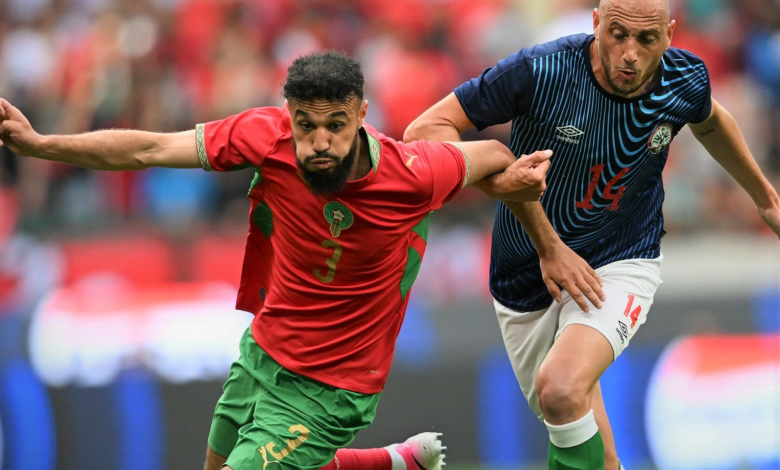

يدخل المنتخب المغربي في كأس العالم 2026، التي ستقام في الولايات المتحدة وكندا والمكسيك، وهو يحمل على عاتقه طموحات كبيرة وآمالاً عريضة للدفاع عن إنجازه التاريخي الذي حققه في مونديال قطر 2022. فبعد أن أبهر العالم بوصوله إلى الدور نصف النهائي كأول منتخب عربي وإفريقي يحقق هذا الإنجاز، يتطلع “أسود الأطلس” لتأكيد مكانتهم كقوة كروية صاعدة على الساحة العالمية.
إرث مونديال 2022: حجر الأساس لطموحات المستقبل
لم تكن مسيرة المنتخب المغربي في مونديال قطر 2022 مجرد مشاركة مشرفة، بل كانت ملحمة كروية حقيقية أعادت كتابة التاريخ. انطلقت رحلة الفريق بتصدره لمجموعته القوية التي ضمت كرواتيا وبلجيكا، حيث قدم أداءً تكتيكياً رفيعاً لفت أنظار الجميع. وتواصلت المفاجآت المدوية في الأدوار الإقصائية، حيث تمكن الأسود من إقصاء منتخب إسبانيا، بطل العالم 2010، بركلات الترجيح في دور الـ16، قبل أن يطيحوا بمنتخب البرتغال بقيادة كريستيانو رونالدو في ربع النهائي بهدف تاريخي. ورغم انتهاء المغامرة في نصف النهائي أمام فرنسا، ثم في مباراة تحديد المركز الثالث أمام كرواتيا، إلا أن المركز الرابع عالمياً وضع الكرة المغربية في مصاف الكبار، وألهم جيلاً كاملاً من اللاعبين والجماهير في إفريقيا والعالم العربي بأن الحلم ممكن.
المنتخب المغربي في كأس العالم 2026: تحديات جديدة وجيل ذهبي
يسعى المنتخب المغربي لتأكيد أن ما حدث في قطر لم يكن وليد الصدفة، بل نتاج عمل وتخطيط طويل الأمد. ويقود الفريق المدرب الوطني وليد الركراكي، الذي نجح في خلق توليفة متجانسة تجمع بين الخبرة والشباب. يعتمد الركراكي على جيل ذهبي من اللاعبين الذين ينشطون في أكبر الأندية الأوروبية، يتقدمهم أشرف حكيمي نجم باريس سان جيرمان، والحارس المتألق ياسين بونو حامي عرين الهلال السعودي، والموهبة الفذة إبراهيم دياز لاعب ريال مدريد. إلى جانبهم، تبرز أسماء أخرى مثل نصير مزراوي، وعبد الصمد الزلزولي، وأيوب الكعبي، الذين يشكلون العمود الفقري لفريق يجمع بين الصلابة الدفاعية والنجاعة الهجومية. وقد ضمن المغرب تأهله للنهائيات مبكراً كأول منتخب إفريقي يحجز مقعده، مما يعكس الاستقرار الفني والتطور المستمر للفريق الذي يستعد لمواجهة تحديات جديدة في المحفل العالمي.
ما وراء 2026: كرة القدم المغربية ومشروع متكامل
لا تقتصر الطموحات المغربية على تحقيق نتائج جيدة في مونديال 2026 فحسب، بل تمثل هذه المشاركة حلقة في مشروع رياضي متكامل يهدف إلى ترسيخ مكانة المغرب كدولة رائدة في كرة القدم. ويأتي هذا التطور بالتزامن مع استعدادات المملكة لاستضافة نهائيات كأس العالم 2030 بالشراكة مع إسبانيا والبرتغال، وهو حدث تاريخي سيعزز من البنية التحتية الرياضية ويضع المغرب في قلب الأحداث الكروية العالمية. هذا المشروع لا يقتصر على المنتخب الأول، بل يمتد ليشمل الفئات السنية والمنتخبات النسوية، حيث حققت الكرة المغربية نجاحات لافتة على المستوى القاري، مثل فوز المنتخب الأولمبي بكأس أمم إفريقيا تحت 23 سنة، مما يؤكد وجود قاعدة صلبة من المواهب القادرة على حمل المشعل في المستقبل ومواصلة مسيرة الإنجازات.