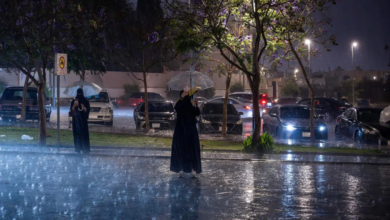

The National Center for Meteorology in Saudi Arabia issued its weather forecast for Wednesday, indicating a chance of moderate rainfall across large parts of the Riyadh region. This forecast includes the capital city of Riyadh itself, as well as several surrounding governorates and districts, namely Diriyah, Al-Aflaj, Al-Hariq, Al-Kharj, Ad-Dilam, Al-Muzahmiyah, Hawtat Bani Tamim, Ad-Dawadmi, Afif, Az-Zulfi, Al-Ghat, Al-Majma'ah, and Rumah.
The climatic context of rainfall in Riyadh
These rains come within the context of the arid desert climate of the Riyadh region, where rainfall is a seasonal event eagerly awaited by the inhabitants. Rainfall in the central region of the Kingdom is generally concentrated during the winter and spring seasons. This period is known for its environmental importance, as the rains contribute to the renewal of desert vegetation and replenish the groundwater reservoirs upon which the region heavily relies as a water source. Historically, rainy seasons, such as the "Wasam" season, have been linked to the life cycle in the desert, as it is during this time that grasses sprout and pastures flourish, which is of paramount importance to Bedouin communities and their grazing activities.
The importance and expected effects of rainfall
Locally, these rains have several positive effects, most notably improving air quality by clearing dust and suspended particles, which has a positive impact on public health. They also contribute to a more pleasant atmosphere and provide an opportunity for residents to go out and enjoy nature, a social phenomenon known locally as "kashta." However, this weather pattern is not without its challenges. The General Directorate of Civil Defense has issued warnings to citizens and residents, urging everyone to take precautions and stay away from valleys, floodplains, and low-lying areas that may pose a danger during rainfall. Due to the dry nature of the soil, even moderate rainfall could lead to sudden flash floods. Traffic flow in the capital's congested streets may also be affected.
Additional alerts and accompanying weather fluctuations
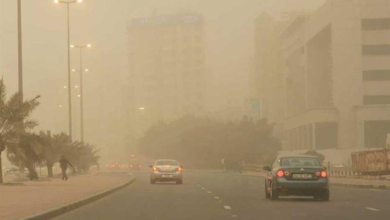
In addition to the rain, the National Center for Meteorology warned that the weather system may be accompanied by active surface winds, which could stir up dust and sand in some areas, especially open spaces and highways, leading to reduced horizontal visibility. The warnings also included parts of the Eastern Province, which may experience dust storms and light rain, confirming that this weather system is part of a broader climate pattern affecting several regions of the Kingdom. Therefore, the Civil Defense emphasizes the importance of fully adhering to instructions issued through official channels to ensure everyone's safety.