Mosque guidelines for Ramadan 1447: Ban on donations and camera regulations

As part of its early preparations for the holy month of Ramadan, the Ministry of Islamic Affairs, Dawah and Guidance in the Kingdom of Saudi Arabia issued a comprehensive set of guidelines and instructions on Tuesday, the first of Sha'ban 1447 AH, aimed at preparing mosques and prayer halls throughout the Kingdom to welcome the blessed month of Ramadan. This annual step underscores the Ministry's commitment to providing a suitable spiritual atmosphere for worshippers and ensuring the smooth operation of mosques according to the highest organizational standards.
The context of mosque care and the importance of organization
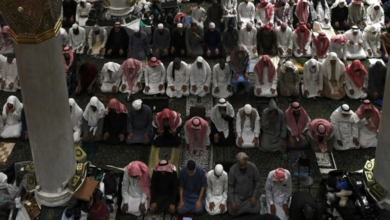
These directives are of particular importance given the large crowds that mosques experience during Ramadan, necessitating meticulous organization to ensure the safety and comfort of worshippers. These measures are part of the Kingdom's ongoing strategy to care for mosques, not only in terms of their physical structure but also their organization and administration, to guarantee that religious rites are performed in peace and tranquility, free from any disturbances that might affect the worshippers' focus or disrupt the spiritual atmosphere.
Discipline of Imams and Prayer Times
The Ministry emphasized in its circular to mosque staff, including imams and muezzins, the necessity of full commitment to their duties and adherence to the Ramadan work schedule, prohibiting absences except in cases of extreme necessity. It stipulated that any absences must be accompanied by the approval of the relevant branch. Regarding prayer times, the circular stressed the importance of following the Umm al-Qura calendar for the call to prayer (adhan), specifying a fifteen-minute waiting period between the adhan and the iqama for the Isha and Fajr prayers. This measure aims to facilitate prayer for worshippers and standardize prayer times across all neighborhoods.
The ministry also noted the importance of taking into account people’s circumstances during Tarawih prayers, and finishing Tahajjud prayers in the last ten nights before the Fajr prayer with sufficient time, so as not to cause hardship for the worshippers, while adhering to the Prophetic guidance in the Qunut supplication, avoiding excessive length or artificiality in rhyming, and focusing on the comprehensive supplications transmitted from the Prophet.
Privacy and media controls
In a move aimed at protecting the privacy of worshippers and preserving the sanctity of prayer, the Ministry has established strict regulations for the installation and use of cameras inside mosques. The directives prohibit the use of cameras to film the imam or worshippers during prayer, and ban the transmission or broadcasting of prayers through any media outlet whatsoever. This decision underscores that mosques are places of worship and devotion, not film studios, thus enhancing the focus of worshippers during their prayers.
Financial and social regulation: preventing begging and regulating breakfast
The circular addressed financial and social aspects, with the Ministry emphasizing the prohibition of collecting donations for Ramadan iftar projects or any other purposes within mosques, and the absolute prohibition of begging, while directing that any violations be reported to security authorities immediately. Conversely, the Ministry organized the distribution of iftar meals to take place in the mosque courtyards, under the responsibility of the imam and muezzin, with an emphasis on immediate cleaning of the site afterward and preventing the accumulation of water bottles in storage areas.
Maintenance and services for those in seclusion
The Ministry concluded its directives by emphasizing the need to intensify inspections and maintenance team visits to ensure the cleanliness of mosques and women's prayer areas, and to address any technical issues immediately. It also established strict regulations for Itikaf (seclusion in the mosque for worship), including verifying the identities of those observing Itikaf and registering their information, to guarantee the safety and security of all. These comprehensive measures reflect the Kingdom's commitment to providing the highest quality services to mosque-goers, in line with its leading role in serving Islam and Muslims.