Riyadh hosts international scouting talks to support the Messengers of Peace initiative

Riyadh, the capital of global scouting dialogue
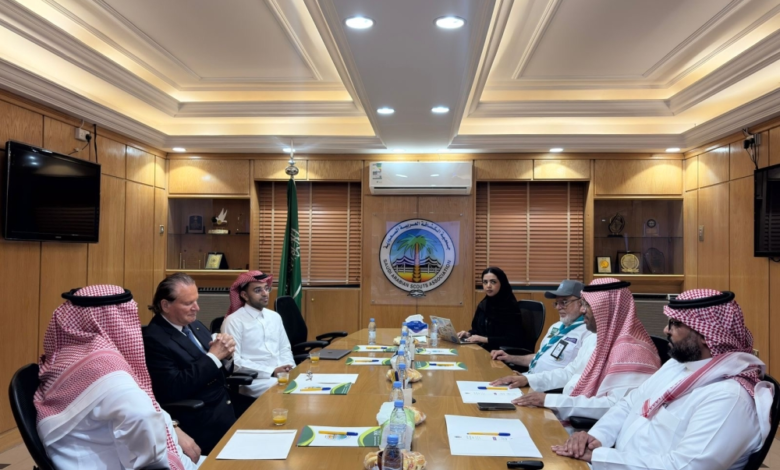
The Saudi capital, Riyadh, hosted a high-level international meeting that brought together leaders of the Saudi Arabian Scouts Association and officials from the World Scout Foundation. The meeting focused on governance mechanisms for the second edition of the global "Messengers of Peace" initiative and discussed the association's future strategy, aiming to empower 100 million scouts in 176 countries worldwide, in line with the goals of the Kingdom's Vision 2030.
The meeting was held at the association’s headquarters in Riyadh, in the presence of the Acting Secretary General of the Saudi Arabian Scouts Association, Dr. Mohammed Hussein Al-Sayed, the Chairman of the Messengers of Peace Global Initiative Committee and member of the Board of Directors of the World Scout Fund, Mr. Siegfried Weiser, in addition to member of the Board of Directors of the Fund, Professor Faisal bin Muammar, who also holds the position of General Supervisor of the King Abdulaziz Public Library.
Historical background: The “Messengers of Peace” initiative
The Messengers of Peace initiative is one of the most prominent humanitarian initiatives launched from the Kingdom of Saudi Arabia with the direct support of its government. It was officially launched in 2011 under the patronage of the late King Abdullah bin Abdulaziz Al Saud, Custodian of the Two Holy Mosques, and King Carl XVI Gustaf of Sweden, Honorary President of the World Scout Foundation. The initiative aims to inspire young people around the world to become peacemakers in their communities by encouraging them to implement service projects that address local and global issues, such as intercultural dialogue, conflict resolution, and environmental sustainability. Since its launch, the initiative has successfully recorded billions of hours of volunteer and community work carried out by Scouts worldwide.
Strategic importance and expected impact
This meeting is of paramount importance both locally and internationally. Locally, Riyadh's hosting of these talks reflects the Kingdom's leading role in supporting global humanitarian and youth initiatives, which aligns directly with the goals of Vision 2030, focused on building a vibrant society and promoting a culture of volunteerism and social responsibility. Furthermore, linking the Saudi Scouts' strategy to the national vision ensures the development of programs and initiatives that contribute to enhancing the skills of Saudi youth and fostering active citizenship.
At the international level, the discussion on empowering 100 million Scouts represents an ambitious step to enhance the capabilities of the global Scout Movement. The outcomes of this meeting are expected to contribute to developing an effective governance model for the Messengers of Peace initiative, ensuring its sustainability and expanding its impact. This collaboration also strengthens the Kingdom's position as a key partner in international youth organizations and highlights its role in promoting the values of peace and understanding among peoples.
The future of scouting
The attendees discussed the future directions of the Saudi Arabian Scouts Association's strategy and the work methodology planned for the next phase. Association representatives affirmed that the new plans are fully aligned with the objectives of the Kingdom's Vision 2030 and the United Nations Sustainable Development Goals. They emphasized that the updated strategy will focus on developing young scout leaders through innovative initiatives and instilling the values of sustainability and active citizenship, thus ensuring the continued development of the scouting sector and the Association's institutional work model.