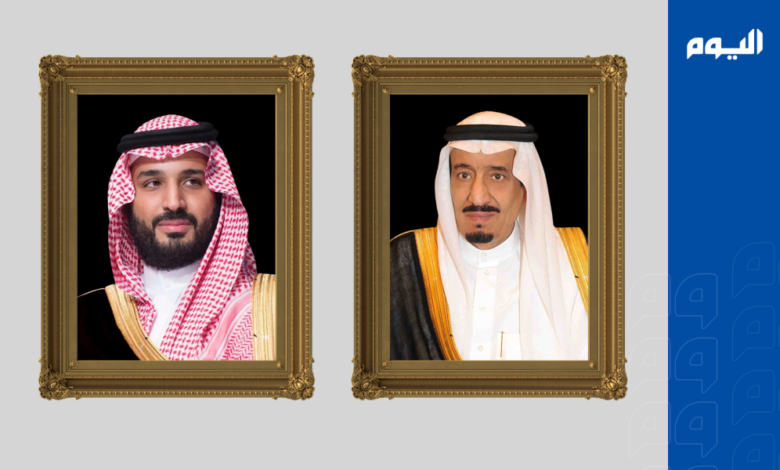

In an urgent humanitarian response reflecting the depth of fraternal ties, the Custodian of the Two Holy Mosques, King Salman bin Abdulaziz Al Saud, and His Royal Highness Crown Prince Mohammed bin Salman bin Abdulaziz Al Saud, may God protect them, have issued directives to intensify air, sea, and land aid efforts to deliver relief supplies to the brotherly Palestinian people in the Gaza Strip. This directive comes in support of the efforts of the "Saudi Popular Campaign for the Relief of the Palestinian People," which was launched to meet the growing needs in the Strip.
Details of the royal directive and the efforts of the King Salman Relief Center
His Excellency Dr. Abdullah bin Abdulaziz Al-Rabeeah, Advisor at the Royal Court and Supervisor General of the King Salman Humanitarian Aid and Relief Center, affirmed that this generous directive is an extension of the Kingdom of Saudi Arabia's ongoing humanitarian efforts. In a statement to the Saudi Press Agency, he explained that this step underscores that Palestine is a deeply rooted cause in the hearts and minds of the Saudi leadership and people. He noted that the Kingdom's generosity is an authentic and continuous approach that never ceases, and is clearly evident during times of crisis and hardship.
Saudi aid statistics: figures reflecting the scale of the giving
The Kingdom has translated this support into tangible reality through an integrated system of aid overseen by the King Salman Humanitarian Aid and Relief Center, with efforts so far including:
- Air and sea bridge: 77 relief planes and 8 giant ships were deployed.
- Aid volume: More than 7,699 tons of food, medical and shelter supplies were transported.
- Land bridge: 912 Saudi relief trucks carrying essential supplies and medical equipment have crossed.
- Medical support: Delivery of 20 fully equipped ambulances to the Palestinian Red Crescent Society.
- International partnerships: Signing agreements worth more than $90 million and 350 thousand with international organizations to implement projects within the sector, in addition to qualitative airdrop operations in partnership with the Jordanian Armed Forces to break the siege and overcome the closure of crossings.
Historical context: Saudi Arabia's unwavering commitment to Palestine
This relief effort is not a spur-of-the-moment act, but rather a link in a long chain of historical Saudi support for the Palestinian cause, dating back to the era of the founder, King Abdulaziz – may God have mercy on him – and continuing to the prosperous era of the Custodian of the Two Holy Mosques, King Salman bin Abdulaziz. The Kingdom has always been at the forefront of donor and supporter countries for Palestine, whether through political support in international forums or direct economic and relief aid for reconstruction and bolstering the resilience of the Palestinian people. This solidifies the Kingdom's position as a strategic depth and a steadfast supporter of its brothers and sisters in Palestine.
The importance of guidance and its human impact
This directive to intensify aid through all available channels (air, land, and sea) is of paramount importance given the catastrophic conditions in the Gaza Strip, where residents are suffering from severe shortages of food, medicine, and shelter. Diversifying aid routes, including resorting to airdrops and sea bridges, reflects the Saudi leadership's determination to overcome all logistical and geopolitical obstacles to ensure aid reaches those who need it most. This contributes to alleviating the humanitarian crisis, saving lives, and strengthening the resilience of the Palestinian people in the face of current challenges.