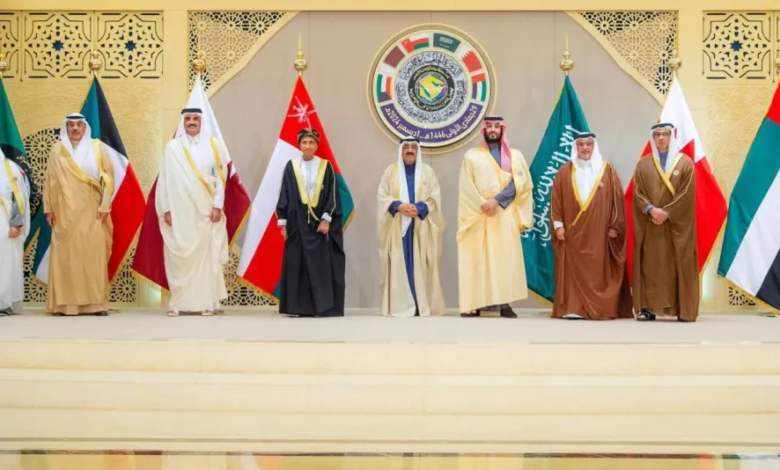

في ظل عالم يموج بالتحولات الجيوسياسية المتسارعة، لم يعد الاعتماد على نموذج أمني أحادي كافياً لضمان الاستقرار في منطقة حيوية واستراتيجية مثل الخليج العربي. من هنا، يبرز مفهوم “الشراكات متعددة المستويات” كضرورة استراتيجية وركيزة أساسية لتعزيز أمن الخليج، حيث يوفر هذا النهج إطاراً مرناً وقوياً لمواجهة التحديات المعقدة والمتنوعة التي تواجه دول المنطقة.
من الاعتماد التقليدي إلى التحالفات المتشعبة
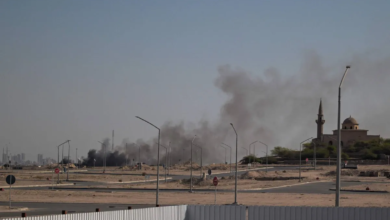
تاريخياً، ارتبط أمن منطقة الخليج بشكل وثيق بالضمانات الأمنية التي تقدمها القوى الدولية الكبرى، وعلى رأسها الولايات المتحدة الأمريكية. لعقود طويلة، شكل هذا الترتيب أساس الاستقرار الإقليمي، خاصة في وجه التهديدات التقليدية. ومع ذلك، شهدت السنوات الأخيرة تحولاً في أولويات القوى العالمية، وتصاعداً في التحديات غير المتماثلة مثل الإرهاب والهجمات السيبرانية والتوترات البحرية، مما دفع دول الخليج إلى إعادة تقييم استراتيجياتها الدفاعية.
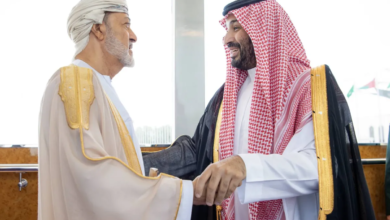
لم يعد الأمر يقتصر على التحالفات العسكرية التقليدية، بل بات من الضروري بناء شبكة معقدة من العلاقات التي تشمل أبعاداً اقتصادية ودبلوماسية وتكنولوجية. هذا التحول لا يعني التخلي عن الشركاء التاريخيين، بل يهدف إلى تنويع الخيارات وتعزيز القدرة على الصمود من خلال بناء جسور مع قوى صاعدة في آسيا وأوروبا، بالإضافة إلى تعميق التعاون الأمني والاستراتيجي بين دول مجلس التعاون الخليجي نفسها.
ما هي الشراكات متعددة المستويات وكيف تعزز أمن الخليج؟
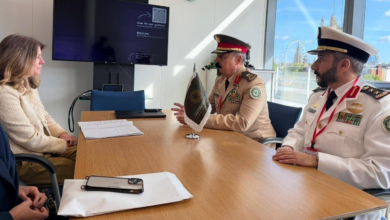
تتجاوز الشراكات متعددة المستويات المفهوم الضيق للتحالف العسكري لتشمل مجالات أوسع. فهي تتضمن اتفاقيات تجارية تعزز الاقتصادات المحلية، وتعاوناً في مجال الأمن السيبراني لصد الهجمات الرقمية، وتنسيقاً دبلوماسياً لحل النزاعات بالطرق السلمية، وشراكات في مجال الطاقة تضمن استقرار الأسواق العالمية. على سبيل المثال، يساهم تعزيز العلاقات مع دول مثل الصين والهند في تأمين الممرات البحرية الحيوية التي تمر عبرها صادرات الطاقة الخليجية، بينما يضمن التعاون مع الشركاء الأوروبيين نقل التكنولوجيا المتقدمة وبناء القدرات الدفاعية المحلية.
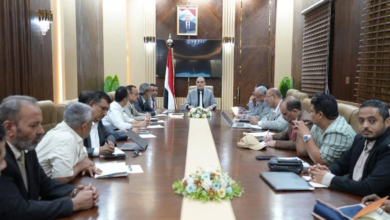
داخلياً، يمثل تعزيز التكامل بين دول مجلس التعاون الخليجي المستوى الأول والأهم في هذه الشبكة. فمن خلال التمارين العسكرية المشتركة، وتبادل المعلومات الاستخباراتية، وتوحيد المواقف السياسية، تخلق دول الخليج خط دفاع أول متيناً يعزز من قدرتها التفاوضية على الساحة الدولية ويقدم رسالة ردع واضحة لأي طرف يسعى لزعزعة استقرار المنطقة.
تأثيرات إقليمية ودولية للنهج الجديد
إن تبني استراتيجية الشراكات متعددة المستويات له تأثيرات بعيدة المدى. على المستوى الإقليمي، يمنح هذا النهج دول الخليج مرونة أكبر في سياستها الخارجية وقدرة على التكيف مع المتغيرات الدولية دون الارتهان لطرف واحد. كما أنه يساهم في تحويل المنطقة من مجرد متلقٍ للسياسات الدولية إلى لاعب فاعل ومؤثر يشارك في صياغة مستقبل أمنه. أما على الصعيد الدولي، فإن استقرار الخليج يعني استقرار إمدادات الطاقة العالمية، وهو ما يخدم مصالح جميع الدول الصناعية والمستهلكة. وبالتالي، فإن نجاح هذا النموذج الأمني الجديد لا يخدم دول المنطقة فحسب، بل يمثل ضمانة للاقتصاد العالمي بأسره.