
مقدمة: استعدادات مكثفة لموسم الحج
في إطار سعيها الدؤوب لتوفير أفضل الخدمات لضيوف الرحمن، أعلنت وزارة البلديات والإسكان، ممثلة بأمانة العاصمة المقدسة، عن تجهيز 28 مركزاً للخدمات البلدية في المشاعر المقدسة خلال موسم حج 1447هـ. تأتي هذه الخطوة الاستراتيجية لتكون نقاطاً ميدانية متقدمة وأقرب إلى مواقع الكثافة البشرية، مما يضمن قدرة أعلى على متابعة الأعمال التشغيلية ورفع سرعة الاستجابة في كل من منى ومزدلفة وعرفات.
السياق التاريخي لخدمة ضيوف الرحمن
منذ تأسيس المملكة العربية السعودية، شكلت خدمة الحجاج والمعتمرين أولوية قصوى للقيادة الرشيدة. وقد شهدت المشاعر المقدسة على مر العقود تطوراً هائلاً في البنية التحتية والخدمات اللوجستية. ومع إطلاق رؤية المملكة 2030، وتحديداً من خلال “برنامج خدمة ضيوف الرحمن”، تضاعفت الجهود المؤسسية لتقديم تجربة روحانية متميزة وآمنة. وتعتبر الخدمات البلدية ركيزة أساسية في هذا التطور التاريخي، حيث انتقلت من مجرد خدمات تقليدية إلى منظومة ذكية ومتكاملة تدار بأحدث التقنيات لضمان راحة الحجاج.
توزيع استراتيجي للمراكز البلدية
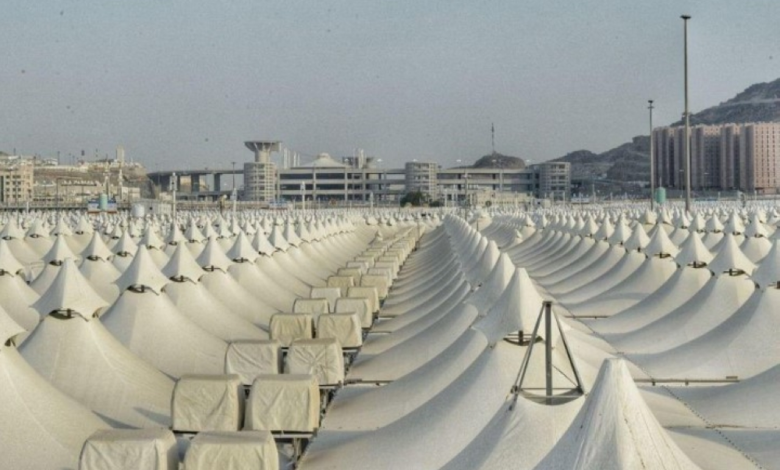
لضمان الكفاءة القصوى، تم توزيع المراكز البلدية بناءً على دراسات دقيقة لحركة الحشود. وقد استحوذ مشعر منى على النصيب الأكبر بواقع 22 مركزاً، نظراً لكونه المشعر الذي يقضي فيه الحجاج أطول فترة زمنية (أيام التشريق) ويشهد الكثافة الأعلى. كما تم تخصيص 3 مراكز في مشعر مزدلفة، و3 مراكز في مشعر عرفات. هذا التوزيع الجغرافي المدروس يوفر تغطية ميدانية مباشرة للمواقع الأكثر ارتباطاً بحركة ضيوف الرحمن، وإقامتهم، وتنقلهم بين المشاعر.
مراقبة الأسواق والإصحاح البيئي
تعمل هذه المراكز كخلايا نحل على مدار الساعة، حيث تتولى الفرق الميدانية الإشراف المباشر على أعمال النظافة العامة والإصحاح البيئي، وهو أمر بالغ الأهمية لمنع انتشار الأوبئة في التجمعات المليونية. بالإضافة إلى ذلك، تقوم الفرق بمراقبة الأسواق والمباسط للتأكد من سلامة الأغذية المقدمة للحجاج، ورصد أي ملاحظات ومعالجتها فوراً. ويتم ذلك من خلال التنسيق المباشر والمستمر مع الإدارات المختصة والجهات الأمنية والصحية ذات العلاقة، لضمان استمرار تقديم الخدمات بكفاءة عالية، خاصة في أوقات الذروة.
الأهمية والتأثير المحلي والدولي
يحمل هذا التنظيم الدقيق أهمية كبرى على عدة مستويات. محلياً، يعكس قدرة الأجهزة الحكومية السعودية على إدارة الحشود المليونية بكفاءة واقتدار، مما يعزز من مكانة المملكة كدولة رائدة في إدارة الفعاليات الكبرى، ويوفر آلاف الفرص الوظيفية الموسمية للكوادر الوطنية. إقليمياً ودولياً، يبعث هذا التنظيم رسالة طمأنينة لملايين المسلمين حول العالم ولحكوماتهم، بأن حجاجهم في أيدٍ أمينة، وأن المملكة تسخر كافة إمكاناتها لضمان أمنهم الصحي والبيئي، مما يساهم في نجاح الموسم دون أي أزمات وبائية أو تنظيمية.
بيئة منظمة وآمنة
لتحقيق هذه الأهداف، دعمت أمانة العاصمة المقدسة المراكز الـ 28 بأفضل الكوادر البشرية، والقيادات الميدانية الخبيرة، والتجهيزات التشغيلية الحديثة. وتعتبر هذه المراكز امتداداً عملياً لخطة الحج الشاملة، ونقطة ضبط يومية لضمان جودة التنفيذ. في النهاية، يظل الهدف الأسمى هو تقريب الخدمة البلدية من الحاج، وتحويل المتابعة الميدانية إلى أثر ملموس في النظافة والسلامة وانسيابية التشغيل، لتهيئة بيئة صحية، منظمة، وآمنة تليق بضيوف الرحمن.