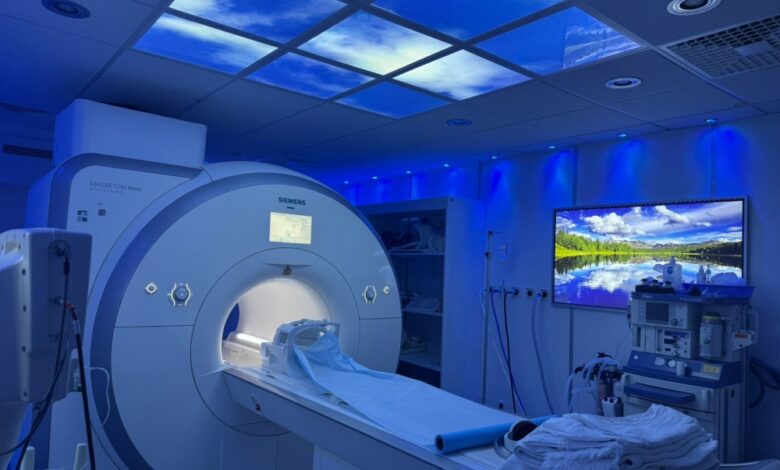

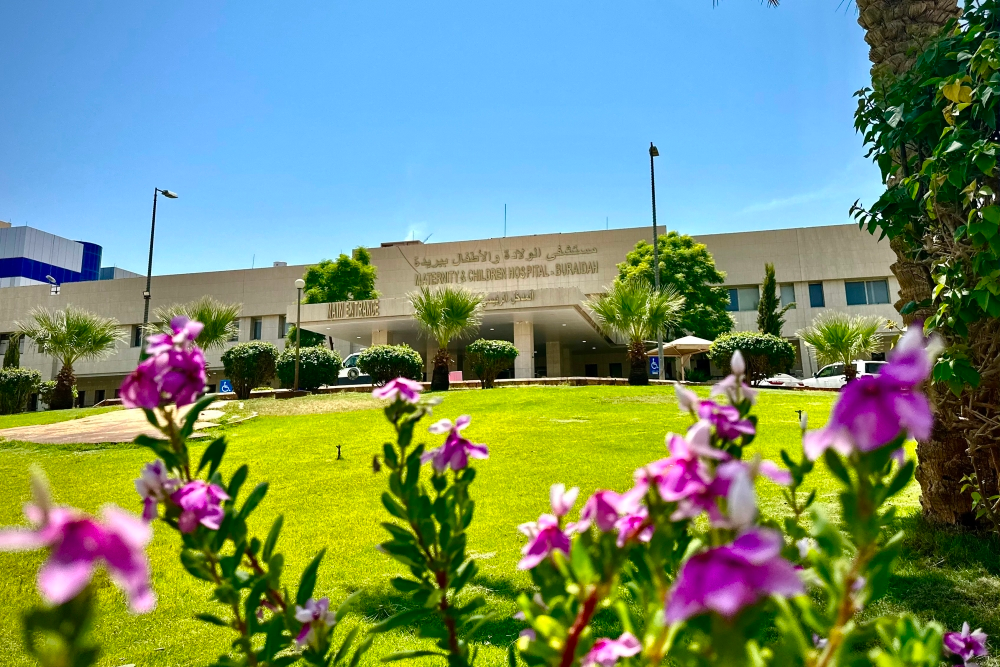
In a significant step aimed at enhancing the quality of healthcare services in the Qassim region, the Qassim Health Cluster the activation of fetal magnetic resonance imaging (FMI) at the MRI unit of the Maternity and Children's Hospital in Buraidah. This initiative is part of the cluster's comprehensive strategy to integrate the healthcare system and provide specialized and rare services, ensuring the delivery of comprehensive medical care for mothers and fetuses according to the highest international standards.
The context of development and keeping pace with the health transformation
The launch of this advanced service comes as part of the Kingdom of Saudi Arabia's ongoing efforts to achieve the goals of Vision 2030 and the Health Sector Transformation Program, which focuses on facilitating access to advanced healthcare services across the Kingdom. This step represents a significant advancement in localizing specialized medical services in the Qassim region, reducing the need to refer complex cases to major medical centers in large cities and sparing patients and their families the burden of travel.
The importance of magnetic resonance imaging (MRI) in fetal diagnosis
The association explained that fetal MRI is a highly specialized and precise examination that plays a pivotal role in the early detection and accurate diagnosis of medical conditions and congenital malformations during pregnancy. The importance of this examination is highlighted as a complementary and crucial diagnostic tool in cases where detailed ultrasound (sonography) does not provide conclusive results, particularly when certain organs cannot be clearly visualized or when there is suspicion of malformations in the central nervous system or other vital organs of the fetus.
Safe procedures and qualified personnel
The Qassim Health Cluster confirmed that fetal MRI scans are highly safe for both mother and fetus, as they utilize magnetic fields and radio waves instead of harmful ionizing radiation. The scan typically takes between 20 and 30 minutes and requires no special preparation from the patient, reflecting the ease of the procedure and the readiness of the qualified medical and technical staff to handle these advanced technologies and ensure maximum comfort for patients.
Figures reflecting operational performance efficiency
In a related context concerning the hospital's operational performance, the cluster revealed statistics for the Radiology Department at the Maternity and Children's Hospital in Buraidah during 2025, reflecting the significant effort exerted to serve patients. The department performed a total of 3,919 MRI scans,3,524 CT scans, 12,517 ultrasound scans, and51,410 X-rays. These figures underscore the hospital's commitment to enhancing the efficiency of diagnostic services and supporting the integrated healthcare system in the region, thereby contributing to the rapid and appropriate medical and treatment decisions.