
أعلنت وزارة البلديات والإسكان في المملكة العربية السعودية عن اكتمال جاهزيتها التشغيلية لموسم الحج، وذلك من خلال توفير منظومة خدمية وميدانية متكاملة في المشاعر المقدسة. وتأتي هذه الاستعدادات الضخمة مدعومة بأكثر من 22 ألف كادر ميداني يعملون على مدار الساعة لخدمة الحجاج، بمعدل كادر واحد لكل 76 حاجاً. يهدف هذا الجهد الاستثنائي إلى تعزيز جودة الخدمات المقدمة لضيوف الرحمن، ورفع كفاءة الاستجابة السريعة، وضمان الرقابة الصحية والبيئية الصارمة خلال الموسم.
السياق التاريخي والاهتمام بخدمة ضيوف الرحمن
تاريخياً، تولي المملكة العربية السعودية منذ توحيدها اهتماماً بالغاً وعناية خاصة بخدمة الحجاج والمعتمرين. وتُعد إدارة الحشود المليونية في مساحة جغرافية محدودة وخلال فترة زمنية قصيرة واحدة من أعظم التحديات اللوجستية على مستوى العالم. ومع إطلاق رؤية السعودية 2030، تبلور هذا الاهتمام بشكل مؤسسي من خلال “برنامج خدمة ضيوف الرحمن”، الذي يسعى إلى إحداث نقلة نوعية في تجربة الحج والعمرة، وتسهيل استضافة المزيد من الحجاج مع تقديم أرقى الخدمات لهم. وتعتبر جهود وزارة البلديات والإسكان الحالية امتداداً لهذا الإرث التاريخي والتوجه الاستراتيجي الحديث.
تطوير البنية التحتية والإصحاح البيئي في المشاعر المقدسة
أوضحت الوزارة أن إجمالي مساحة البنية التحتية التي تشرف عليها في المشاعر المقدسة يتجاوز 4.6 ملايين متر مربع. تشمل هذه المساحات شبكات الطرق المتقدمة، وأنظمة الإنارة، والجسور، والأنفاق، بالإضافة إلى شبكات تصريف مياه السيول. ولضمان انسيابية الحركة المرورية وتسهيل تنقل الحجاج بين المواقع المختلفة، تم تجهيز 20 جسراً و18 نفقاً.
وفيما يخص النظافة والإصحاح البيئي، فعلت الوزارة أكثر من 88 ألف وحدة نظافة، مدعومة بـ 3 آلاف آلية ومعدة ميدانية. كما تم توفير 1,235 وحدة ضاغطة للنفايات و113 مخزناً أرضياً لدعم العمليات التشغيلية، مما يعزز من كفاءة إدارة النفايات ويحافظ على بيئة صحية آمنة داخل المشاعر المقدسة طوال فترة الحج.
الرقابة الصحية والغذائية لضمان سلامة الحجاج
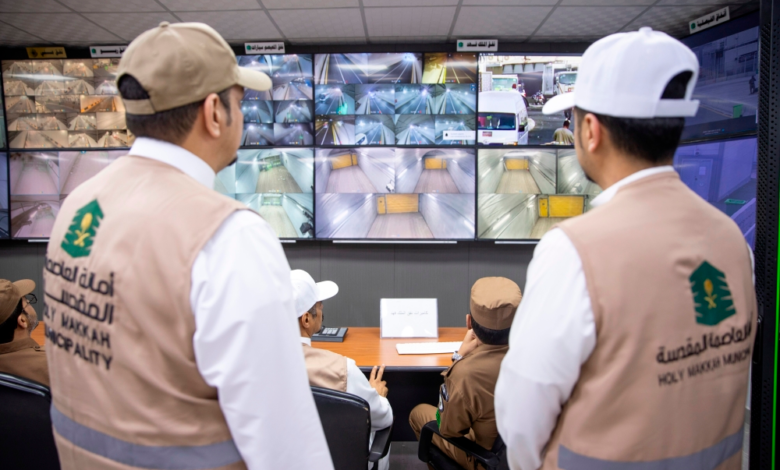
في إطار حرصها على الرقابة الصحية والغذائية، قامت الوزارة بتشغيل 66 مركزاً للخدمات، إلى جانب خمسة مختبرات متقدمة لتنفيذ الفحوصات والتحاليل اليومية. وتنفذ الفرق الرقابية أكثر من 2,800 جولة ميدانية يومياً، يتم خلالها تحليل نحو 1,300 عينة مخبرية بشكل يومي. وتأتي هذه الإجراءات الصارمة والمكثفة امتداداً للنجاح الباهر الذي تحقق في الموسم الماضي، والذي سجل “صفر” حالات تسمم غذائي مؤكدة، مما يعكس كفاءة المنظومة الرقابية ونجاح الخطط الاستباقية.
منظومة البلاغات وسرعة الاستجابة الميدانية
على صعيد التفاعل مع المستفيدين، تستقبل الفرق التشغيلية وتعالج نحو 30 ألف بلاغ عبر منصة “بلدي” والقنوات المرتبطة بها. وقد سجلت المنظومة رقماً قياسياً في متوسط زمن الاستجابة بلغ دقيقة و13 ثانية فقط، وهو مؤشر قوي على كفاءة الأداء وسرعة التعامل مع الحالات والملاحظات الميدانية. كما تم تجهيز مركزين للإيواء والطوارئ ضمن خطط الجاهزية الشاملة للموسم.
الأهمية والتأثير المتوقع لجهود خدمة الحجاج
تحمل هذه الجهود الجبارة تأثيراً إيجابياً واسع النطاق؛ فعلى المستوى المحلي، تسهم في خلق فرص عمل موسمية وتنشيط الحركة الاقتصادية والتنظيمية. وإقليمياً ودولياً، تعكس هذه الاستعدادات الصورة المشرقة للمملكة وقدرتها الفائقة على إدارة الأزمات والحشود بفعالية واقتدار، مما يبعث الطمأنينة في نفوس ملايين المسلمين حول العالم. وأكدت الوزارة في ختام بيانها أن هذه المبادرات تأتي ضمن منظومة متكاملة من الخدمات البلدية والتشغيلية الهادفة إلى الارتقاء بتجربة الحجاج، وتحقيق أعلى معايير السلامة والصحة وجودة الحياة في المشاعر المقدسة.