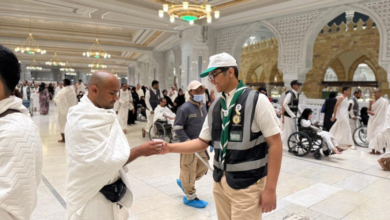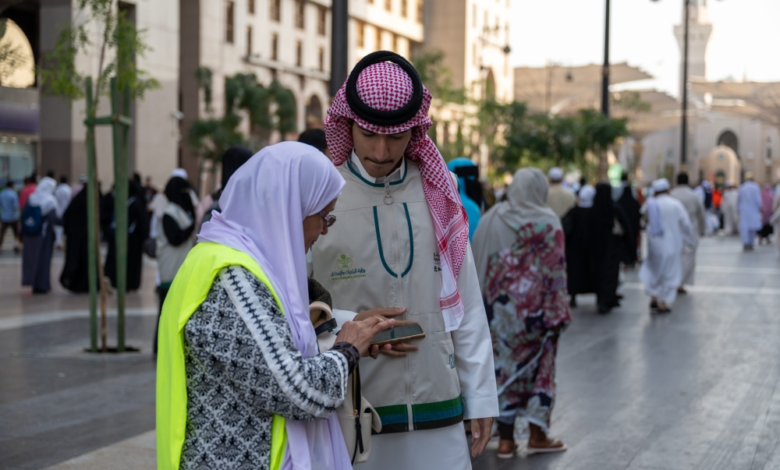
The Ministry of Municipalities and Housing in the Kingdom of Saudi Arabia achieved a remarkable milestone in social and community service, with official statistics revealing 138,560 volunteer hours recorded during the first ten days of Ramadan. This record was made possible by the participation of over 9,700 volunteers who actively engaged with the Ministry's volunteer program, implementing a series of field initiatives across the municipal and housing sectors in various regions of the Kingdom.
National context and ambitious vision
This vibrant volunteer movement is not a spontaneous occurrence, but rather falls within the broader context of the Kingdom's strategic directions embodied in Saudi Vision 2030, which has placed great emphasis on developing the non-profit sector and encouraging volunteer work. The Vision aims to reach one million volunteers annually, recognizing volunteering as a fundamental pillar in strengthening social solidarity and building a vibrant society. The efforts of the Ministry of Municipalities and Housing serve as a practical model for these directions, working to institutionalize volunteer work and transform it from scattered individual efforts into organized, impactful institutional action.
Details of field initiatives
Volunteer efforts encompassed a wide range of humanitarian and service-oriented aspects. Volunteers played a pivotal role in organizing the "Jood Housing" initiative's offices, contributing to serving over 2,500 beneficiaries. This expedited housing support procedures and facilitated easy access to services for eligible families. Simultaneously, volunteer teams were active in the field, distributing 12,000 breakfast meals in streets and public parks—an initiative with profound social dimensions that fosters a spirit of brotherhood and reduces traffic accidents during Iftar time.
Improving the quality of life and municipal services
The efforts were not limited to charitable work alone, but extended to the development of services; volunteers conducted more than 3,000 field surveys aimed at measuring residents' satisfaction with the municipal services provided. This step is of paramount importance in providing accurate data to decision-makers, which contributes to continuous improvement and increased performance efficiency, as well as strengthening direct communication channels between government agencies and the community, ultimately serving to improve the quality of life in Saudi cities.
Social and economic impact
This surge in volunteerism is a positive indicator of the growing culture of shared responsibility within the community and reflects the effective integration between the government sector and civil society. The Ministry affirms that these efforts are an extension of its social responsibility programs, which aim to empower and harness national talent to serve comprehensive national development.