Saudi stocks closed higher at 11,155 points with a trading volume of 3.8 billion

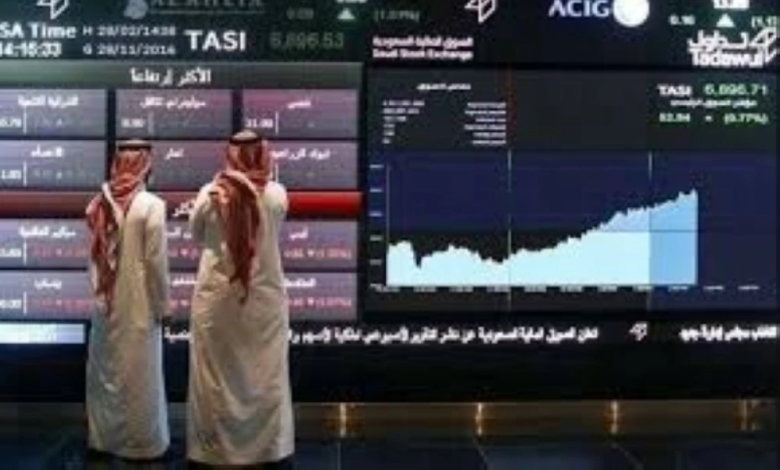
The Saudi Stock Exchange (TASI) closed today's trading session with a notable gain of 57 points, or 0.5%, to close at 11,155 points. This was the highest point reached during the session, reflecting strong buying in the final moments and investor optimism. The lowest point recorded during trading was 11,019 points. Total trading value reached approximately SAR 3.8 billion, a figure that reflects moderate liquidity and selective market activity.
Performance of leading stocks and influential sectors
This rise was primarily driven by leading stocks that carry significant weight in the general index. Shares of Saudi Aramco, the global energy giant, rose by less than 1% to close at SAR 25.60, and Al Rajhi Bank followed suit, closing at SAR 105.10. The banking sector also received additional support from National Commercial Bank (NCB), which gained 2%, helping to keep the index above the 11,000-point mark. The movement of these stocks is considered a vital indicator of market direction due to its direct impact on investor sentiment and major investment portfolios.
The companies with the highest growth and most diverse opportunities
The gains weren't limited to leading companies; the green wave also extended to several second-tier and growth companies. Shares of companies like Retal, Elm, Bupa Arabia, Azm, Electrical Industries, and Tanmia saw increases ranging from 3% to 8%. Al-Aseel shares also rose by 2%. Enaya shares topped the list of the market's biggest gainers with a strong 9% increase, indicating positive speculation and new positions in the insurance and healthcare sectors.
The impact of financial results on declines
Conversely, the release of financial results cast a shadow over the performance of some companies. Shares of Raya (the National Medical Care Company) topped the list of decliners, plummeting by 10% following the company's announcement of its fourth-quarter financial results. This prompted investors to take profits or reassess their positions. Shares of Saudi Telecom Company (STC) also fell by 3%, closing at SAR 43.60, while shares of Yanbu National Petrochemical Company (Yansab) dropped by 5%, closing at SAR 27.20, possibly influenced by the volatility in global petrochemical markets.
Market and Economic Overview
This performance comes amidst the economic momentum witnessed in Saudi Arabia, where the financial market remains a mirror reflecting the strength of the national economy and its attractiveness to local and foreign investments. Analysts indicate that maintaining levels above 11,000 points is a crucial technical factor for sustaining the positive momentum, especially given the diversification of listed sectors and the market's expansion to include new technology and service sectors, in line with the Kingdom's Vision 2030.