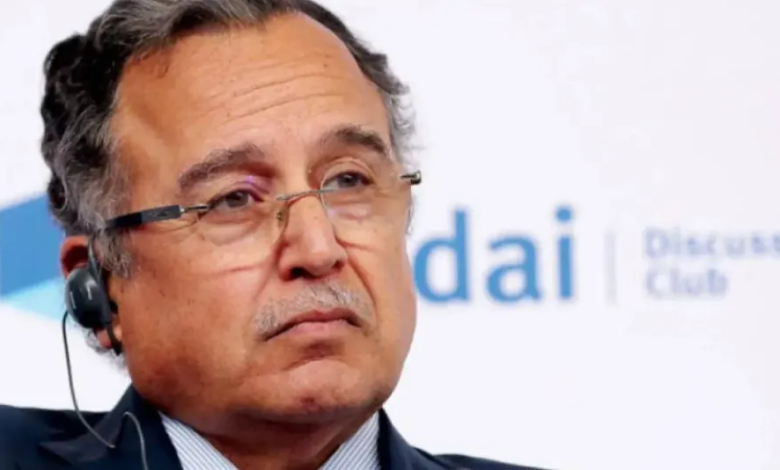

تتردد في الأوساط الدبلوماسية العربية بقوة أنباء عن استعداد وزير الخارجية المصري الأسبق، السفير نبيل فهمي، لتولي منصب الأمين العام لجامعة الدول العربية، خلفًا للأمين العام الحالي. ويأتي هذا الترشيح في فترة حاسمة تمر بها المنطقة العربية، مما يضع على عاتق القائد القادم للمنظمة الإقليمية الأهم مسؤوليات جسيمة وتحديات معقدة.
خلفية تاريخية وسياق عام
تأسست جامعة الدول العربية عام 1945 كمنظمة إقليمية تجمع الدول الناطقة بالعربية، بهدف تعزيز العلاقات بين الدول الأعضاء وتنسيق سياساتها والدفاع عن مصالحها المشتركة. ومنذ تأسيسها، شغل منصب الأمين العام شخصيات دبلوماسية بارزة، كان لمعظمهم دور محوري في تاريخ الدبلوماسية العربية. وغالباً ما كان المنصب من نصيب مصر، باعتبارها دولة المقر وصاحبة الثقل السياسي والتاريخي الأكبر في المنطقة، مع استثناءات قليلة. ويأتي ترشيح شخصية بحجم نبيل فهمي استمراراً لهذا النهج، الذي يركز على اختيار دبلوماسيين مخضرمين قادرين على التعامل مع الملفات الشائكة.
من هو نبيل فهمي؟
يتمتع نبيل فهمي بسيرة مهنية دبلوماسية حافلة تمتد لعقود. شغل منصب وزير خارجية مصر في فترة من أكثر الفترات حساسية في تاريخها الحديث (2013-2014). وقبل ذلك، كان سفيراً لمصر لدى الولايات المتحدة الأمريكية لمدة تسع سنوات (1999-2008)، وهي فترة شهدت أحداثاً عالمية كبرى أثرت بشكل مباشر على علاقات واشنطن بالعالم العربي. كما عمل سفيراً في اليابان ومستشاراً سياسياً لوزير الخارجية. هذه الخبرة الواسعة في المحافل الدولية، وفهمه العميق لديناميكيات القوى العالمية والإقليمية، تجعله مرشحاً مؤهلاً بشكل استثنائي للمنصب.
الأهمية والتأثير المتوقع
إن اختيار الأمين العام القادم للجامعة العربية لا يمثل مجرد تغيير إداري، بل يحمل في طياته دلالات سياسية هامة. تواجه المنطقة العربية تحديات وجودية، من بينها الأزمات المستمرة في سوريا واليمن وليبيا، وتحديات الأمن المائي والغذائي، ومكافحة الإرهاب، فضلاً عن القضية الفلسطينية التي تظل الملف المركزي. يُتوقع من الأمين العام الجديد أن يلعب دوراً محورياً في إعادة تفعيل دور الجامعة كمنصة للعمل العربي المشترك، وبناء توافقات حول القضايا الخلافية، وتمثيل الصوت العربي بفعالية على الساحة الدولية. إن قيادة شخصية مثل فهمي، المعروفة باتزانها وقدرتها على بناء الجسور، قد تساهم في بث روح جديدة في عمل المنظمة وتعزيز قدرتها على مواجهة هذه التحديات بفاعلية أكبر.