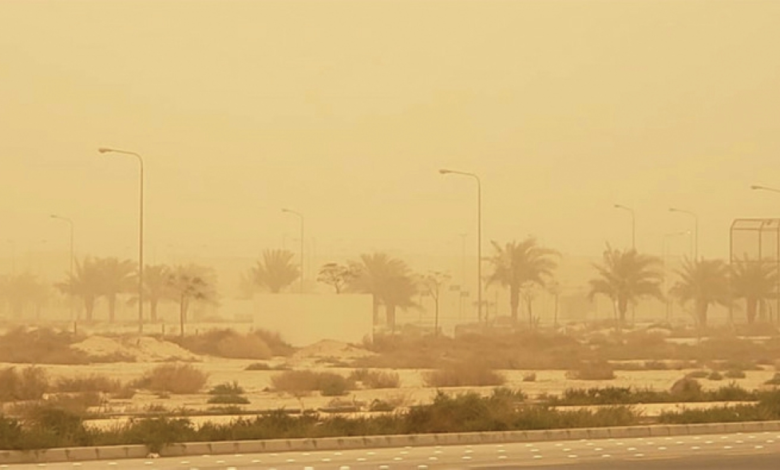

The National Center for Meteorology in Saudi Arabia issued an important weather alert today, Thursday, concerning the Najran region, indicating that the area will be affected by active surface winds causing dust storms. These alerts are part of the center's ongoing monitoring of weather fluctuations to ensure the safety of citizens and residents.
Weather details and affected areas
The center explained in its daily report that the expected weather conditions include direct effects such as active winds that may reduce horizontal visibility to between 3 and 5 kilometers. The center identified the areas that will experience these fluctuations, including the city of Najran, in addition to several of its affiliated governorates: Badr Al-Janoub, Habuna, Khubash, Yadma, and Thar.
According to the report, this weather condition has already begun and is expected to continue - God willing - until 6 pm on Thursday, which calls for caution and vigilance while traveling on external and open roads.
The importance of early warning and the role of the National Center for Meteorology
These alerts are of paramount importance for maintaining public safety, as the National Center of Meteorology relies on the latest technologies, radar monitoring systems, and satellites to track wind patterns and air masses. The automated early warning system is a cornerstone for security and civil authorities, such as Civil Defense and Highway Patrol, enabling them to take proactive measures to reduce traffic accidents that may result from poor visibility.
The geographical and climatic context of the Najran region
The Najran region is characterized by its geographical location in the south of the Kingdom, where mountainous terrain intersects with open desert areas, making it susceptible to such weather phenomena, especially during the transitional periods between seasons. Active winds and dust storms are a common natural occurrence in desert and semi-desert regions, although their intensity can vary depending on wind speed and soil dryness.
Public safety guidelines
In these circumstances, experts advise following public safety guidelines, which include:
- Avoid high speeds on highways due to the possibility of shifting sand dunes or a sudden decrease in visibility.
- Patients with respiratory conditions and asthma are advised to avoid direct exposure to dust and to use medical masks when necessary.
- Secure objects that could fly away in homes and public facilities.
The National Center for Meteorology continues to update its reports periodically through its official platforms, calling on everyone to follow the latest weather developments.